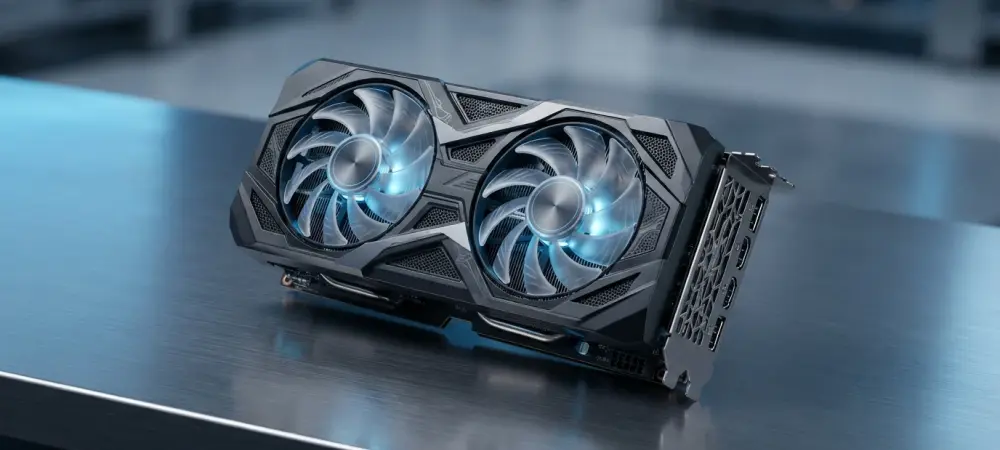
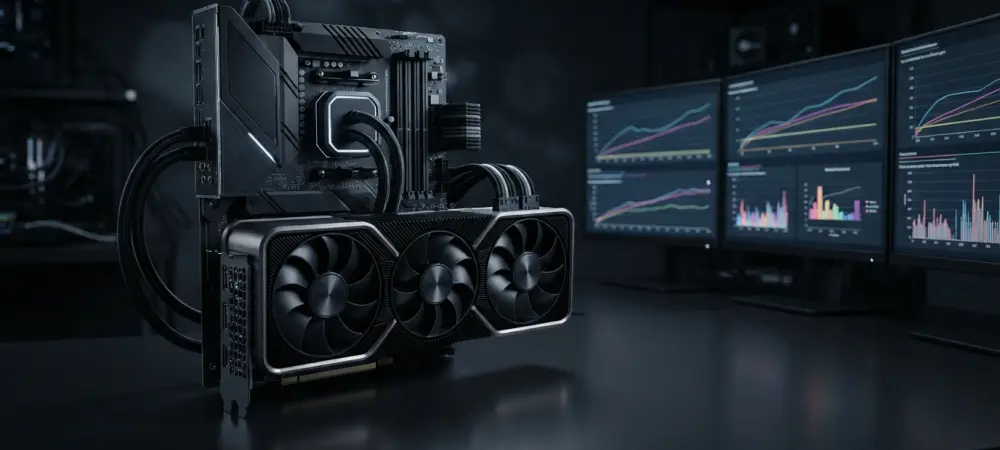
The transition from static driver configurations to dynamic, user-controlled environments has reached a pivotal moment with the introduction of sophisticated resource scheduling tools. The NVIDIA GPU App Prioritization feature, currently being integrated into the unified NVIDIA App, represents a fundamental
Deeper Sections Await
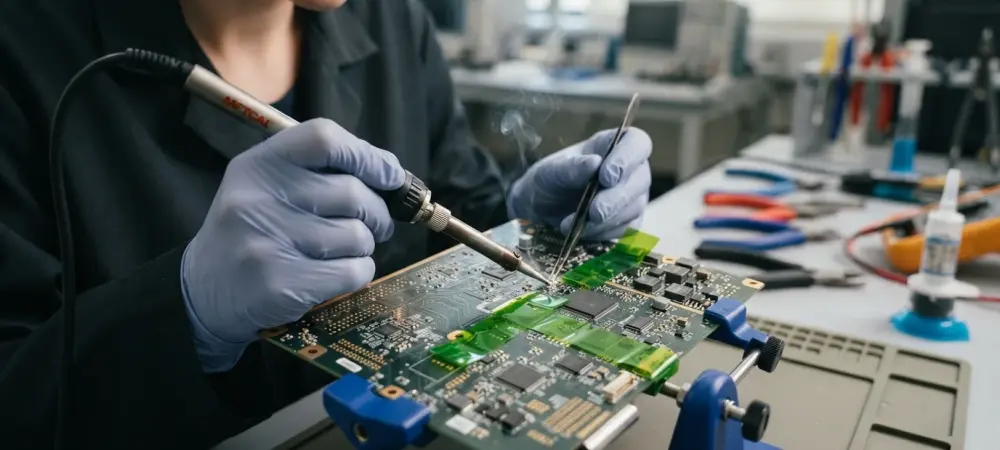
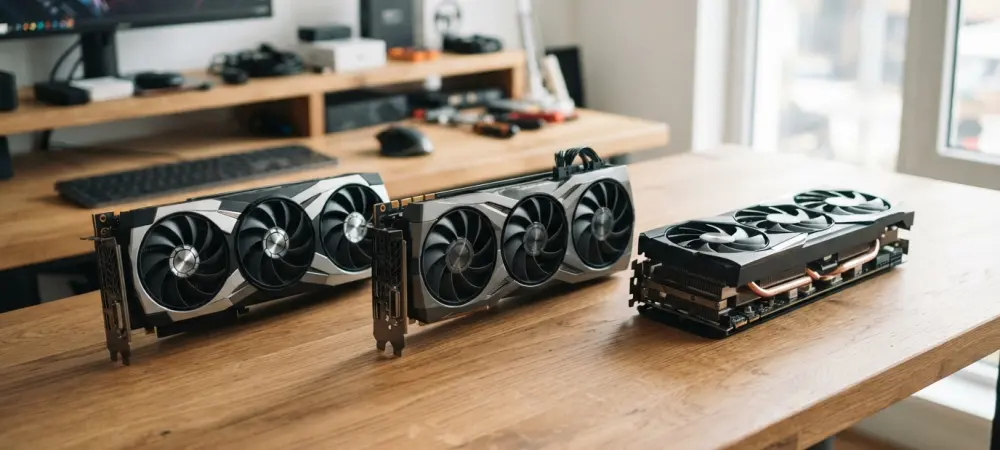
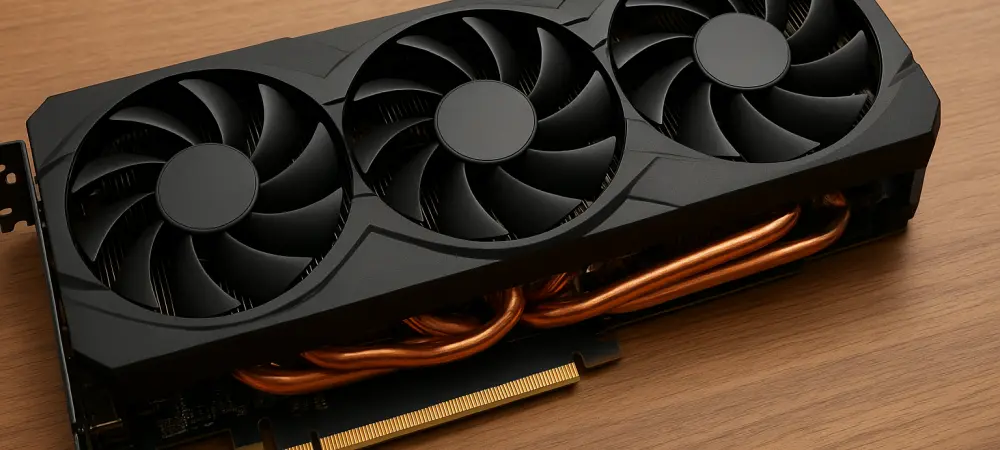
The pursuit of squeezing every last drop of performance from aging silicon has recently transcended simple overclocking, evolving into complex hardware surgery that rewrites the specifications of classic graphics cards. This modification trend arose as a response to the steep
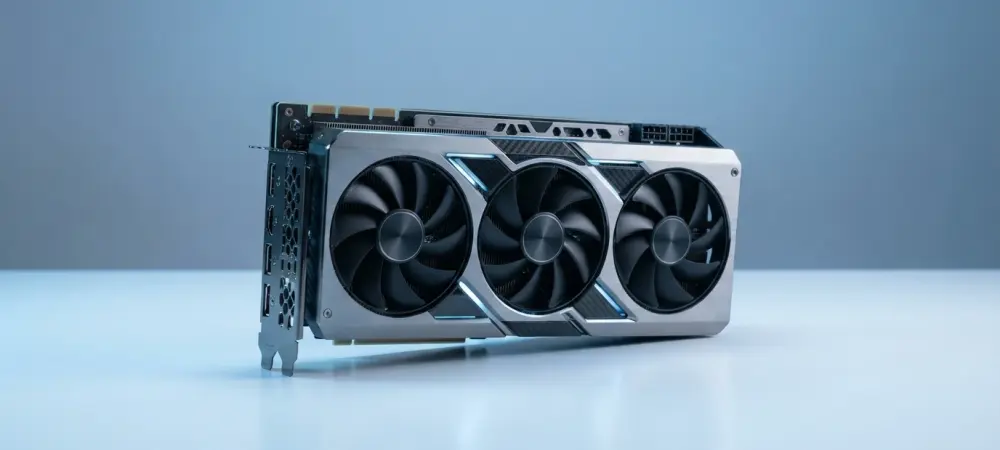
The sudden reappearance of a ten-year-old graphics card outfitted with modern memory capacities highlights a peculiar shift toward repurposing legacy silicon for a budget-starved hardware market. This trend is personified by a modified Nvidia GeForce GTX 750 Ti, a 2014
Browse Different Divisions
The pursuit of squeezing every last drop of performance from aging silicon has recently transcended simple overclocking, evolving into complex hardware surgery that rewrites the specifications of classic graphics cards. This modification trend arose as a response to the steep
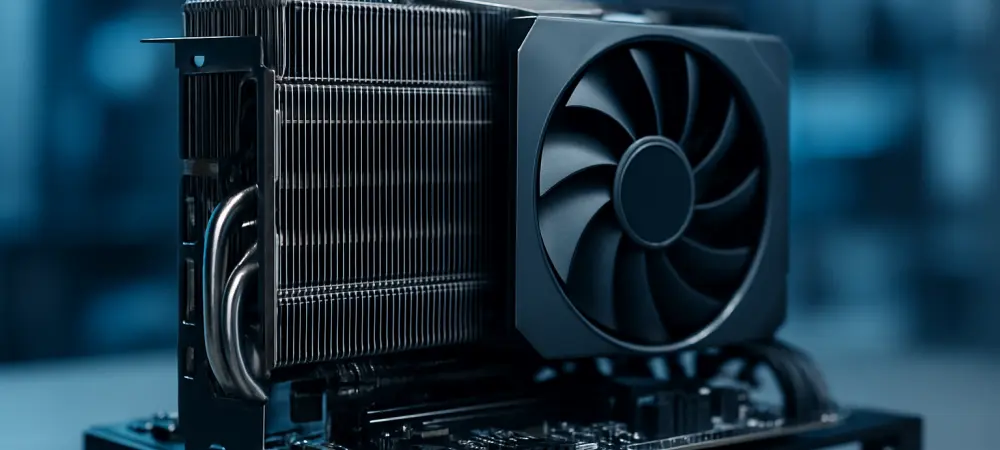
Current inventory levels for the 16GB RTX 5080 suggest a rapid transition is imminent as NVIDIA prepares to clear the way for higher-capacity hardware. This strategic maneuver highlights a significant pivot in the high-end graphics processor market, where the demand
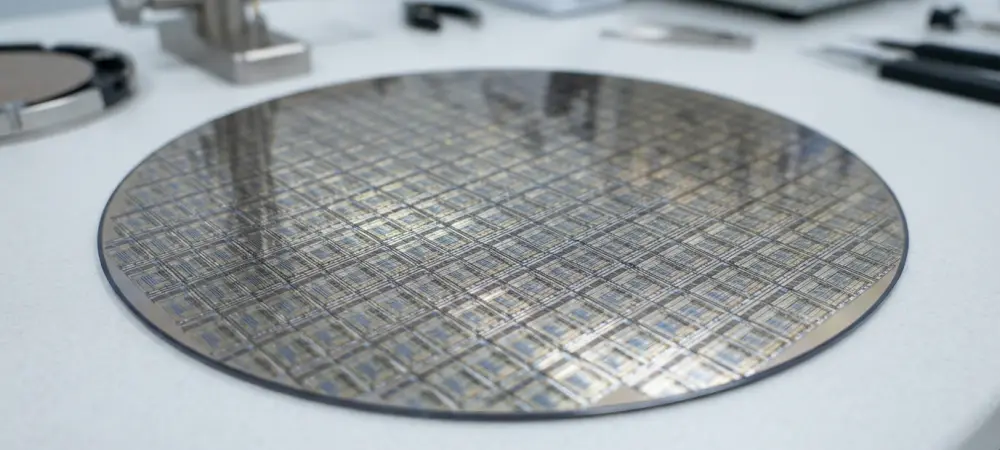
The convergence of high manufacturing overhead and limited wafer availability is creating a challenging environment for PC builders looking to acquire next-generation graphics technology. As high-performance computing demand surges across the enterprise sector, the consumer market is witnessing a significant
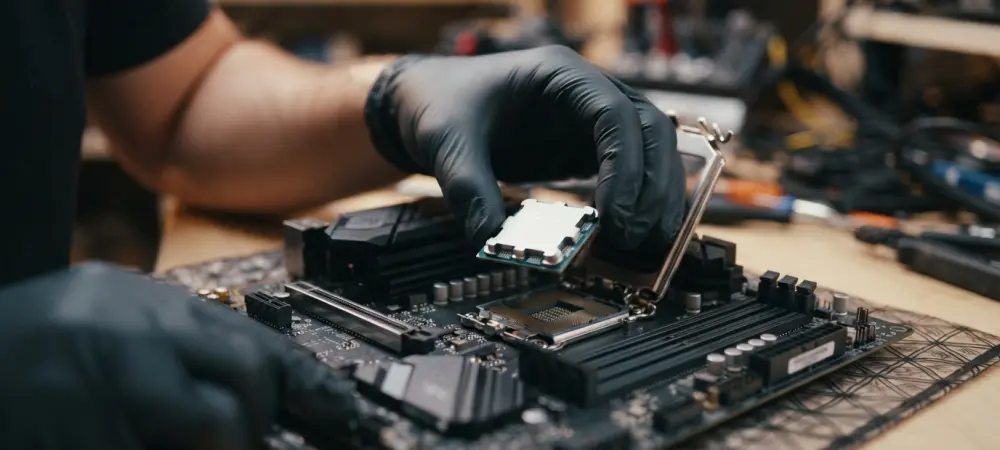
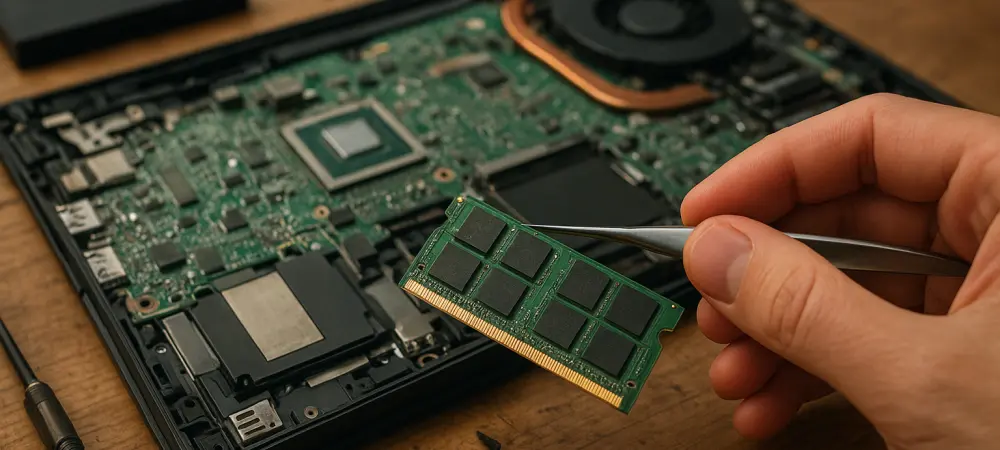
Modern connectivity like the PCIe 5.0 M.2 slot is a standout feature, though it sits alongside a more traditional and less visually polished BIOS environment. For enthusiasts and professional builders currently navigating the shift to Intel Core Ultra Series 2
Intel’s decision to deploy its most sophisticated 18A manufacturing process within the entry-level segment marks a definitive end to the era of recycled, legacy silicon for budget consumers. The current diversification of the mobile portfolio into the “Moon Lake” and
The sudden reappearance of a ten-year-old graphics card outfitted with modern memory capacities highlights a peculiar shift toward repurposing legacy silicon for a budget-starved hardware market. This trend is personified by a modified Nvidia GeForce GTX 750 Ti, a 2014
Browse Different Divisions
Uncover What’s Next
B2BDaily uses cookies to personalize your experience on our website. By continuing to use this site, you agree to our Cookie Policy