

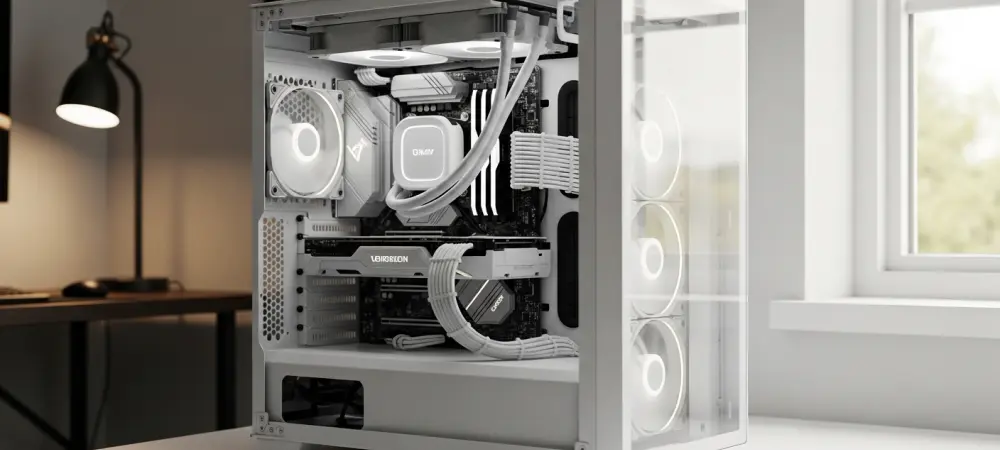
The perpetual tension between achieving high-performance computing and maintaining a visually pristine interior has often forced PC builders to prioritize one over the other in the mainstream market. For years, the average enthusiast had to choose between a clutter-free aesthetic and the raw power required for modern gaming and professional workloads. The arrival of the Gigabyte B850M AORUS Stealth ICE signals a fundamental shift in this dynamic, proving that a mid-range motherboard can offer both sophisticated engineering and a clean visual profile. This motherboard represents a critical expansion of the AMD AM5 ecosystem, specifically designed for those who appreciate the Micro-ATX form factor. By integrating the latest 800-series chipset features into a compact, white-themed design, Gigabyte is addressing a growing demand for hardware that looks as good as it performs. This hardware launch is not just about incremental speed increases; it is about refining the building experience for a new generation of users who expect seamless integration and high-end aesthetics without the premium price tags associated with flagship products.
The Strategic Evolution of the AM5 Platform
Building for Longevity and Performance
AMD’s decision to transition to the AM5 socket was a calculated move aimed at providing a stable foundation for the next several years of desktop computing innovation. Unlike competitors who frequently change socket architectures, this platform is built with a long-term commitment that is expected to span through at least 2029. This means that builders who invest in a motherboard today are securing a path for multiple processor upgrades without needing to swap out their entire core system. The transition to the LGA 1718 socket was a necessary step to support the increased power demands and signaling requirements of modern Ryzen processors. By moving the pins from the processor to the motherboard, the architecture allows for higher pin density and more robust electrical delivery. This ensures that even high-count core processors can operate at peak efficiency, maintaining stability during heavy multi-threaded tasks and providing a future-proof environment for software that is becoming increasingly resource-intensive.
Supporting Modern Thermal and Power Requirements
While the technical architecture of the AM5 platform shifted significantly, the physical design considerations remained remarkably user-friendly for those transitioning from older systems. One of the most important aspects of this transition was the retention of compatibility with existing cooling solutions, allowing users to migrate their high-end air and liquid coolers to the new socket. This decision not only reduced the total cost of ownership for upgraders but also ensured that proven thermal solutions could continue to manage the heat output of the latest silicon. Efficient thermal management is vital because the higher clock speeds and increased power limits of the 800-series chipsets demand consistent cooling to avoid thermal throttling. The combination of a durable socket design and backwards-compatible cooling mounts creates a balanced ecosystem where performance is never sacrificed for the sake of novelty. As the platform matures between 2026 and 2028, this stability will continue to be a primary reason why builders choose the AM5 route over alternative options.
Decoding the 800-Series Chipset Hierarchy
Defining the Mainstream Performance Standard
The hierarchy of the 800-series chipsets is meticulously structured to ensure that every type of user finds a motherboard that fits their specific needs and budget. At the heart of this lineup sits the B850 chipset, which serves as the primary choice for mainstream users who want modern features without the unnecessary bloat of enthusiast-level boards. While the X870 and X870E variants include mandatory USB4 and an abundance of PCIe lanes for extreme multi-GPU setups, the B850 focuses on the essential technologies that drive real-world performance. A key highlight is the inclusion of Gen5 NVMe storage support, which provides a massive jump in data transfer speeds compared to previous generations. This ensures that loading times in modern gaming titles and large file transfers in creative applications are handled with incredible speed. By prioritizing Gen5 storage over the more expensive USB4 requirements found in the higher tiers, the B850 chipset offers a highly competitive price-to-performance ratio that is difficult for other chipsets to match.
Optimizing Power and Overclocking Potential
Despite its positioning as a mainstream solution, the B850 chipset does not compromise on the performance tuning features that enthusiasts have come to expect from the AORUS brand. It maintains full support for CPU and memory overclocking, allowing users to fine-tune their Ryzen 9000 series processors to achieve maximum efficiency and speed. This capability is particularly important in a market where software requirements are constantly evolving, and the ability to squeeze extra performance out of existing hardware can extend the usable life of a system. The motherboard utilizes advanced BIOS features and power delivery systems to ensure that even under heavy overclocking loads, the voltage remains stable and the temperatures remain within safe limits. This level of control is often missing from lower-tier chipsets, making the B850 a versatile workhorse for both gamers and professionals. Furthermore, the optimization for the latest high-frequency DDR5 memory ensures that the system bandwidth is never a bottleneck for the high-speed communication between the CPU and the rest of the components.
Innovative Design and Technical Prowess
Combining Stealth Aesthetics with High-Speed Connectivity
The most striking innovation found in the Stealth series of motherboards is the strategic relocation of all primary power and data connectors to the rear of the PCB. This design philosophy addresses one of the most persistent challenges in PC building: cable management. By hiding the bulky 24-pin power cables, SATA connectors, and fan headers behind the motherboard tray, the interior of the case remains remarkably clean and professional. This aesthetic improvement is not merely for show; it also serves a functional purpose by removing physical obstructions that typically impede airflow. With fewer cables blocking the path of intake and exhaust fans, the system can maintain lower internal temperatures, which is crucial for the longevity of the components. When this stealthy layout is combined with the ICE aesthetic—featuring a pristine white PCB and polished silver heatsinks—the result is a motherboard that serves as a centerpiece for a modern, high-contrast build. This approach represents a new standard for how mainstream hardware should be designed for the modern era.
Accelerating the DIY 2.0 Movement
Beyond its visual appeal, the B850M AORUS Stealth ICE is packed with technical specifications that satisfy the requirements of the most demanding software and peripherals. The support for high-speed DDR5 memory allows for significantly higher data throughput, which is essential for the latest generation of games and productivity suites. Additionally, the inclusion of ultra-fast Gen5 NVMe slots ensures that storage speeds can keep pace with the rapidly increasing sizes of modern datasets. Even within the compact Micro-ATX form factor, this motherboard provides a wealth of connectivity options, including multiple high-speed USB ports and robust expansion slots for future-proofing. This focus on high-speed connectivity is part of a broader industry shift toward the DIY 2.0 movement, which aims to simplify the building process while maximizing the capabilities of the hardware. By combining ease of assembly with the power delivery needed for top-tier processors, Gigabyte has created a product that appeals to both novice builders and experienced enthusiasts. It reflects a market that increasingly values the efficiency and beauty of a build.
Advancing the Standards of Desktop Integration
The introduction of the Gigabyte B850M AORUS Stealth ICE effectively bridged the gap between enthusiast-grade aesthetics and mainstream accessibility. By prioritizing rear-facing connectors and a clean white design, this motherboard simplified the building process and eliminated the common frustrations associated with cable clutter. For those looking to assemble a new system between 2026 and 2028, focusing on components that supported the DIY 2.0 philosophy became a practical strategy for ensuring both ease of maintenance and high-end performance. Builders who adopted this platform benefited from a future-proof foundation that maintained compatibility with upcoming processor generations through the end of the decade. The shift toward hidden connectors and Gen5 storage integration demonstrated that visual elegance and technical power were no longer mutually exclusive. Moving forward, the industry moved toward these streamlined standards, making the B850 chipset a cornerstone for modern desktop computing and setting a high benchmark for all future motherboard designs.