

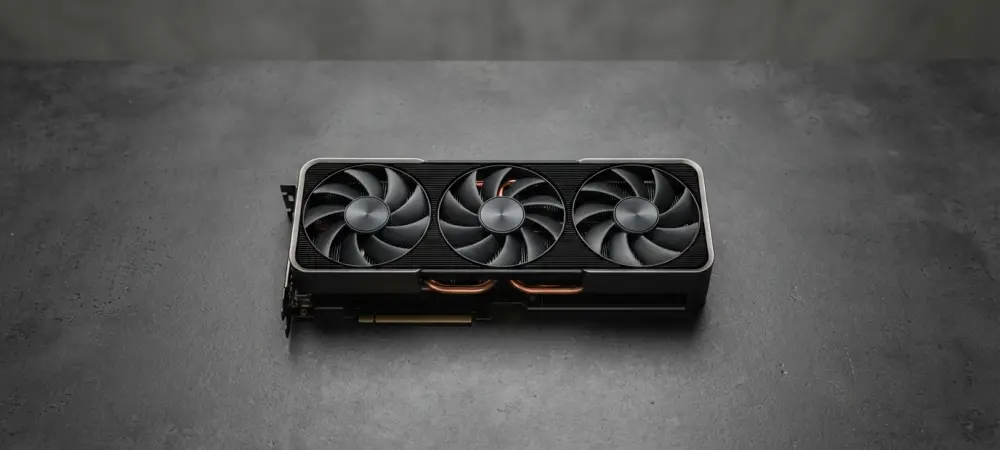
Reports originating from the Board Channels trade platform indicate that Nvidia has officially notified manufacturing partners that the RTX 5080 Super project is no longer moving forward. This revelation has sent shockwaves through the enthusiast community, which had been eagerly anticipating a high-performance bridge between the standard 50-series offerings and the nearly unattainable flagship models. The high-end PC gaming landscape is currently navigating a period of significant volatility and palpable frustration, as evidenced by these sudden shifts in the hardware roadmap. Originally conceived as a crucial mid-generation refresh for the upcoming Blackwell architecture, the cancellation suggests a total strategic pivot rather than a simple timing adjustment or delay. This development highlights a complex intersection of technical hurdles, evolving economic priorities, and a broader company-wide shift toward enterprise-level hardware solutions that could redefine the GPU market for several years to come.
Strategic Abandonment: The Source of the Leaks
The primary catalyst for this discourse is the surfacing of reports from the Board Channels platform, an industry-focused trade hub in China frequently used by insiders within the complex graphics card manufacturing supply chain. According to these latest leaks, Nvidia has taken the decisive step of scrapping the RTX 5080 Super entirely. This news is a significant escalation from earlier speculation, which merely suggested a launch window adjustment around January 2027. By officially notifying manufacturing partners that the project is dead, Nvidia has signaled a total abandonment of this specific product line rather than a tactical postponement. For those who were waiting for a 24GB alternative to the standard 16GB model, this pivot represents a major blow to the expected hardware cycle. The shift indicates that the internal cost-to-benefit analysis for a high-end refresh no longer aligns with the corporate goals established for the Blackwell architecture in the current market.
This abandonment of the “Super” branding for the high-end enthusiast tier signals a potential end to the mid-cycle refresh model that gamers have come to expect over recent generations. In previous years, these iterations served to correct perceived value deficiencies in initial releases while extending the competitive life of a specific architecture. However, the current landscape suggests that Nvidia no longer feels the pressure to provide these incremental upgrades in the gaming sector. The decision to pull the plug on the 5080 Super suggests that the company is confident in its current market dominance or, perhaps more accurately, that it is no longer prioritizing the consumer gaming market as its primary engine for growth. By removing the Super variant, Nvidia effectively forces a choice between the standard 5080 and the ultra-premium tier, eliminating the middle ground that many power users were holding out for. This strategic retraction leaves a void that competitor roadmaps may eventually exploit.
Memory Economics: The Prohibitive Cost of GDDR7
Technical and economic obstacles surrounding video memory appear to be the leading cause of this controversial cancellation. To provide a meaningful upgrade over the standard RTX 5080, the Super variant was expected to feature 24GB of VRAM, a capacity that would have required the utilization of specialized 3GB GDDR7 memory modules. Currently, the global memory industry is heavily optimized for high-speed 2GB modules, making the transition to these higher-density chips an exceptionally expensive endeavor. Sourcing these 3GB chips would have necessitated significant investment in manufacturing lines that are not yet operating at full efficiency. For Nvidia, the mathematical reality of these costs likely made the project non-viable. The expense of integrating such high-density RAM would have driven the production costs to a point where achieving a reasonable profit margin while maintaining a competitive retail price became nearly impossible under the current technical constraints of the GDDR7 ecosystem.
In the aftermath of this decision, enthusiasts pivoted their expectations toward a market where high-end performance was increasingly defined by scarcity rather than iterative improvement. For those who were holding out for the “Super” refresh, the best course of action involved re-evaluating hardware requirements rather than waiting for a product that never materialized. Consumers focused on maximizing the efficiency of existing 16GB configurations through software optimizations and AI-assisted upscaling techniques that reduced memory pressure. This shift suggested that the era of affordable high-capacity GPUs closed for the current architecture cycle. Looking forward, the focus for the community shifted toward alternative vendors or the used market as the primary means of obtaining necessary VRAM. Moving forward, staying informed through verified trade platforms remained essential for navigating the unpredictable release schedules of the next generation of graphics processing units.