

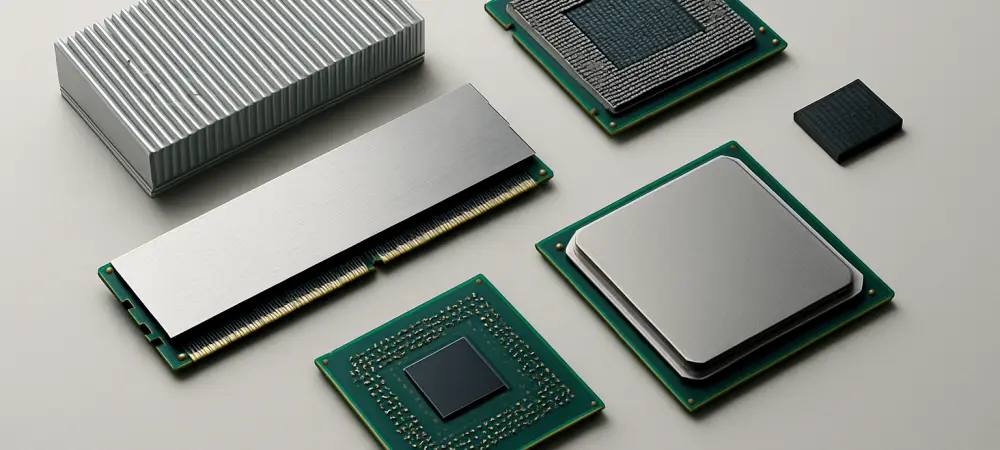
PC Partner Group data indicates that the availability of video graphics accelerator cards will deteriorate significantly, impacting budget desktop builds first. As manufacturing facilities pivot their output toward high-margin enterprise solutions, the consumer market faces a growing deficit that shows no signs of easing in the coming months. This shift is primarily fueled by the insatiable appetite for computational power within the generative artificial intelligence sector, which has fundamentally reorganized the global supply chain. For the average desktop user, this means that the era of affordable, high-performance hardware is rapidly receding into the background as silicon giants prioritize large-scale data center contracts. The bottleneck is not merely a matter of logistics but a strategic reallocation of raw materials and manufacturing time on the most advanced fabrication lines. Consequently, hardware enthusiasts are witnessing a dramatic surge in secondary market prices while retail shelves remain persistently empty. This scarcity is compounded by the increasing complexity of modern architectures, which require more specialized components than previous generations.
The Economic Impact: Market Realities of the Silicon Shortage
Enterprise Priority: Strategic Silicon Allocation
Leading chip manufacturers have significantly adjusted their production schedules to favor the enterprise-grade accelerators required for training large language models. This realignment ensures that advanced nodes are reserved for high-performance computing clusters rather than the discrete graphics cards typically found in mid-range gaming PCs. The financial incentives are clear, as a single AI-focused accelerator can command a price tag many times higher than its consumer-oriented counterpart. This economic reality has forced fabrication plants to run at maximum capacity while still failing to meet the sheer volume of orders coming from tech conglomerates. As a result, the lead times for specialized silicon have stretched to unprecedented lengths, creating a ripple effect that touches every segment of the computing industry. The scarcity of these critical components is no longer a temporary fluctuation but a structural reality defining the current technological landscape. Furthermore, the limited availability of high-density memory modules has significantly restricted the overall volume of consumer hardware reaching the market.
Supply Chain Bottlenecks: The High Bandwidth Memory Deficit
A major contributing factor to the current shortage is the intense competition for High Bandwidth Memory, which is essential for both high-end consumer GPUs and enterprise AI hardware. Memory manufacturers struggled to scale production of HBM3e fast enough to satisfy the requirements of data center deployments, leaving a massive deficit for the consumer graphics segment. When memory suppliers prioritize massive contracts with hyperscalers, the availability of high-density VRAM for standard video cards drops precipitously. This specific bottleneck led to a situation where even if logic chips were available, the final assembly of graphics cards was delayed by the lack of supporting memory modules. Furthermore, the rising cost of these premium memory components was passed directly to the consumer, pushing the price of entry-level hardware into what was previously considered the enthusiast territory. The market currently grappled with a structural imbalance that prioritized the infrastructure of the internet over the needs of individual power users.
Future Mitigation: Resilience and Adaptive Engineering
To navigate this period of volatility, industry leaders focused on diversifying supply chains and investing in alternative semiconductor materials that offered better yields. It became clear that relying on a handful of specialized fabrication plants was a strategic vulnerability that needed immediate attention through localized manufacturing initiatives. Engineers prioritized the development of more efficient software algorithms that reduced the total hardware requirement for complex tasks, effectively extending the lifespan of existing components. Consumers were advised to explore modular upgrade paths that allowed for the incremental replacement of parts rather than complete system overhauls. This approach encouraged a more sustainable hardware lifecycle and mitigated the immediate financial impact of the ongoing shortage. Ultimately, the industry moved toward a more resilient model that balanced the demands of emerging technologies with the need for accessible consumer hardware. These adjustments provided a roadmap for stability in an increasingly complex global market.