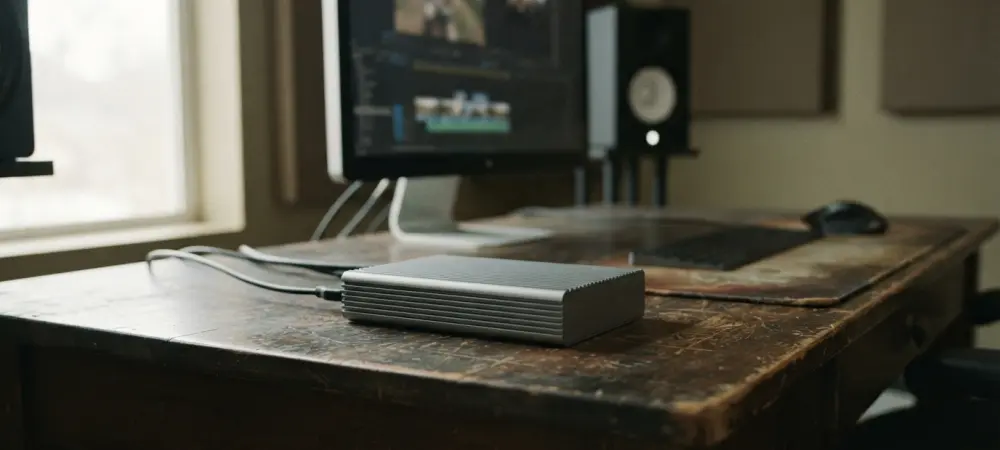
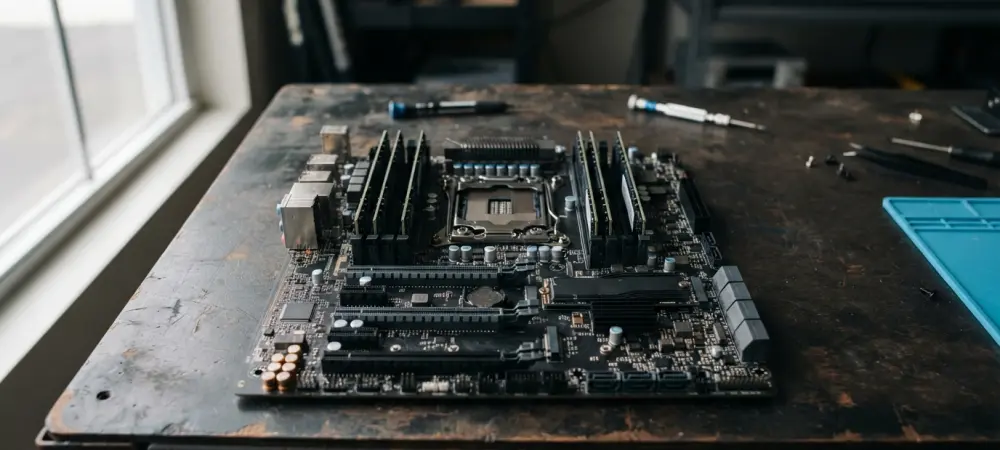
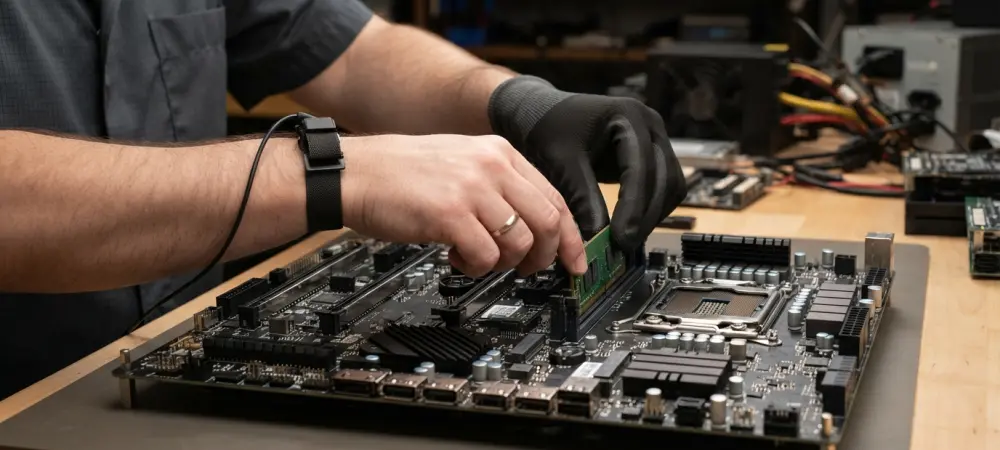
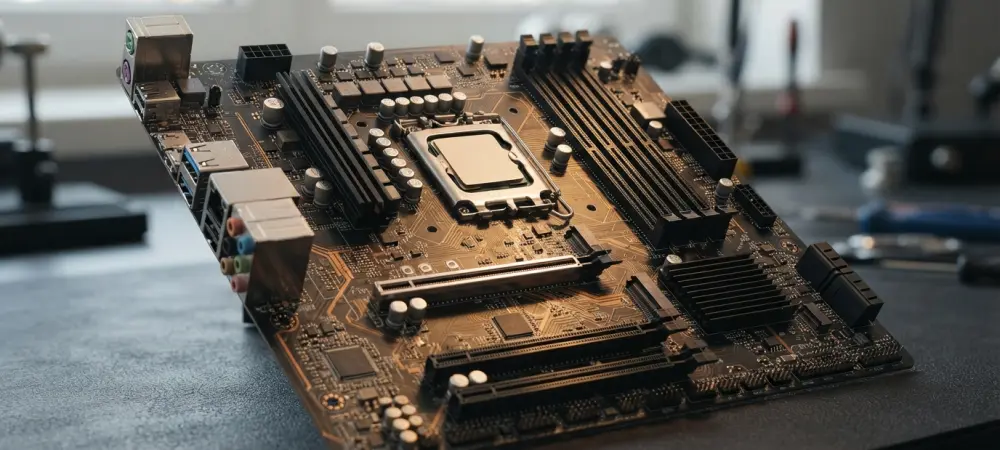
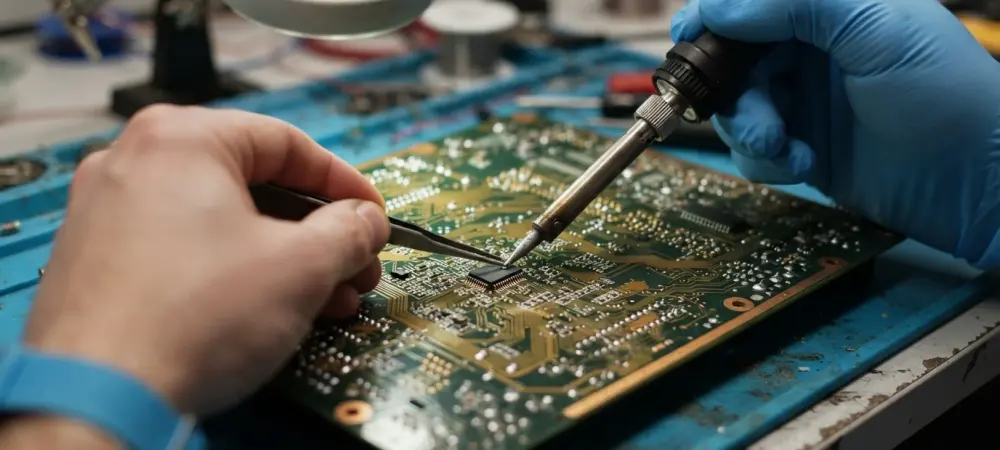
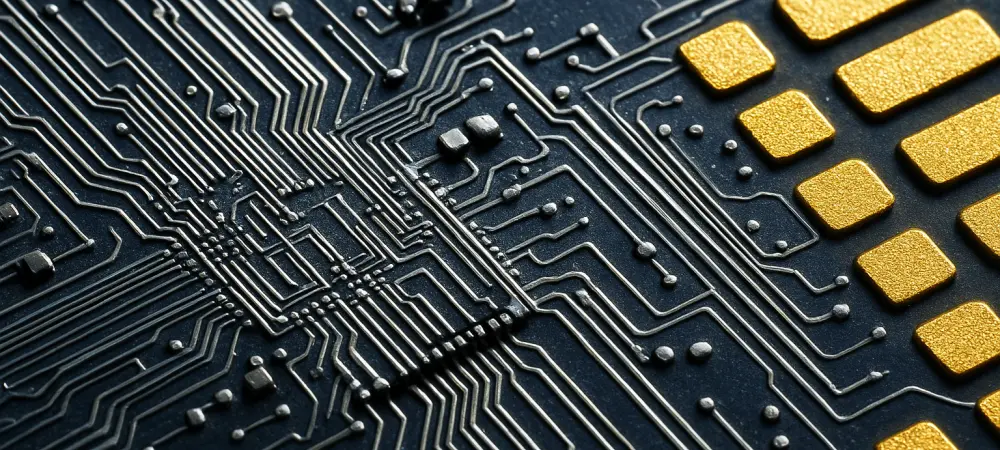
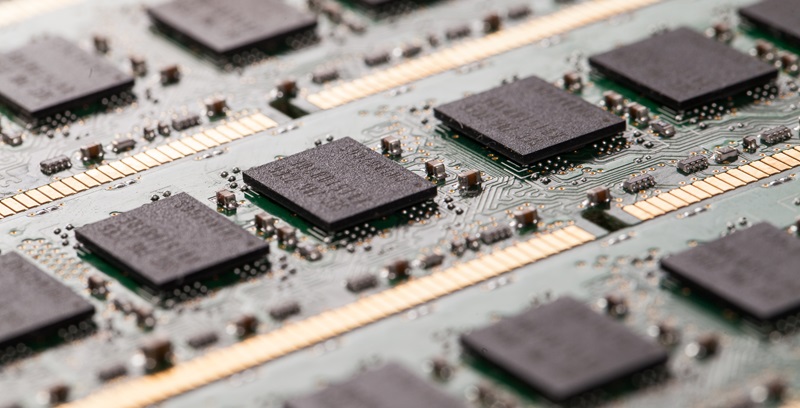
Modern enterprise server rooms frequently face a silent financial crisis where high-performance memory modules consume nearly ninety percent of total hardware procurement budgets. This disproportionate expenditure stems from the rigid physical limitations of traditional Dynamic Random Access Memory, which has
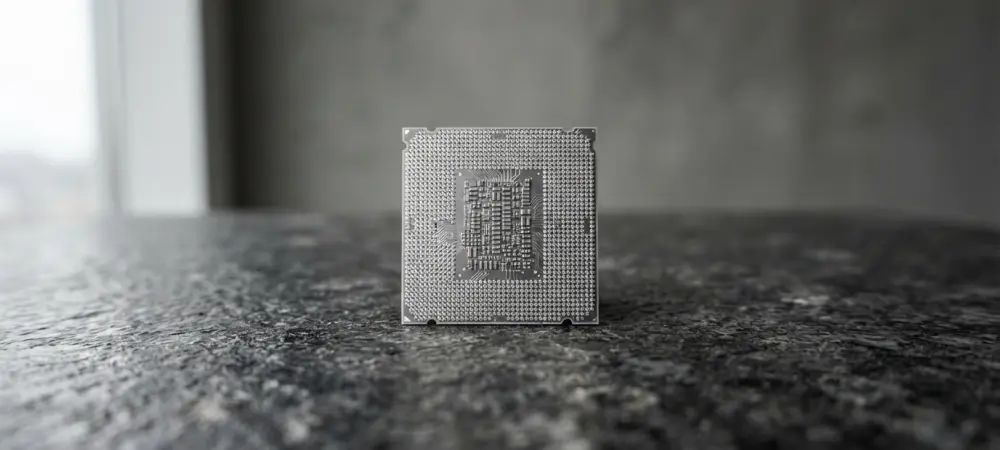
The transition from simple query-response interactions to fully autonomous agents represents a fundamental change in the architectural requirements for modern high-performance computing clusters and redefines the role of the central processing unit. This shift has moved the CPU beyond traditional
Deeper Sections Await
The tech world is buzzing with the potential breakthrough in AMD’s APU (Accelerated Processing Unit) technology, thanks to the intriguing possibility of integrating on-package GDDR7 memory. Recent listings in the NBD database suggest this innovation could be on the horizon,
Glass substrate technology has recently emerged as a focal point of interest and research among leading semiconductor firms, spurring a competitive race involving names like TSMC, Intel, Samsung Electronics, and Huawei. A key driver for this technology lies in its
Browse Different Divisions
The tech world is buzzing with the potential breakthrough in AMD’s APU (Accelerated Processing Unit) technology, thanks to the intriguing possibility of integrating on-package GDDR7 memory. Recent listings in the NBD database suggest this innovation could be on the horizon,
The launch of AheadComputing, a startup formed by former Intel senior-level experts focusing on RISC-V core IP, is creating waves in the tech industry. Founded by Debbie Marr, Mark Dechene, Jonathan Pearce, and Srikanth Srinivasan, the company aims to tap
Microsoft is accelerating its integration of AI technologies into the Windows operating system, particularly through their Copilot and Copilot+ initiatives in partnership with OpenAI. Initially launched in May on Qualcomm’s Snapdragon X Elite and X Plus laptop chips, Copilot+ offered
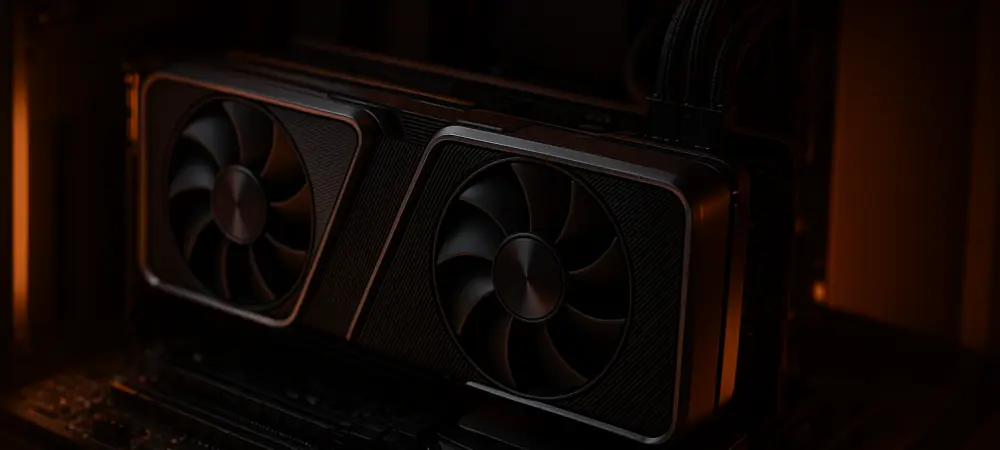
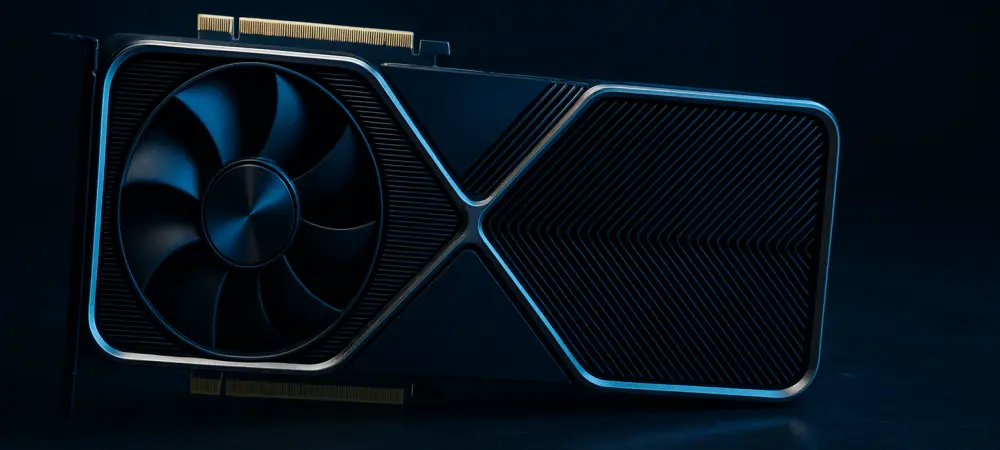
Nvidia’s upcoming GeForce graphics cards, collectively known as the Blackwell series, have generated a tremendous amount of excitement within the technology community. Touted as a major advancement in graphics processing, these next-generation GPUs promise unprecedented performance enhancements and technical intricacies.
Intel is making significant strides to ensure that its next-generation Xe2 graphics architecture seamlessly integrates with Linux systems, focusing particularly on the Lunar Lake CPUs and Battlemage GPUs. This effort underscores Intel’s commitment to improving Linux compatibility, especially following the
Glass substrate technology has recently emerged as a focal point of interest and research among leading semiconductor firms, spurring a competitive race involving names like TSMC, Intel, Samsung Electronics, and Huawei. A key driver for this technology lies in its
Browse Different Divisions
Uncover What’s Next
B2BDaily uses cookies to personalize your experience on our website. By continuing to use this site, you agree to our Cookie Policy