

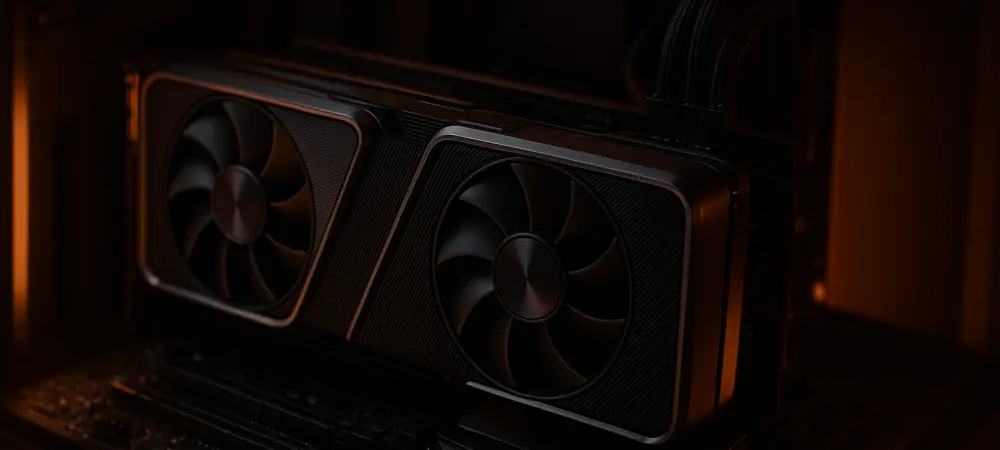
The anticipated RTX 5080 refresh with twenty-four gigabytes of VRAM is expected to focus on compute-heavy tasks like large language models rather than gaming frame rates. This development marks a significant turning point in the industry, as silicon traditionally reserved for the most dedicated PC enthusiasts is now being recalibrated to satisfy the relentless appetite of the enterprise sector. Nvidia’s Blackwell architecture, once hailed as the next great leap for immersive gaming, appears to be undergoing a fundamental shift in its distribution strategy. As the year 2026 progresses, the evidence suggests that the highest tiers of this architecture are being steered away from the consumer market to capitalize on the massive financial returns offered by the artificial intelligence boom. This strategic pivot is not merely a minor adjustment but a complete overhaul of how flagship hardware is positioned, potentially leaving a permanent void in the enthusiast landscape while prioritizing corporate high-performance computing needs above all else.
Silicon Diversion: Prioritizing the High-Margin AI Sector
The financial landscape of the semiconductor industry has shifted dramatically, with profit margins in the professional and enterprise sectors now dwarfing those found in traditional consumer gaming. This economic reality is driving the decision to potentially remove the flagship GeForce RTX 5090 from the consumer market entirely. The GB202 silicon, which represents the most advanced engineering within the Blackwell generation, is a finite resource that the company must allocate with extreme precision. When a single professional-grade card can command several times the price of a gaming flagship, the incentive to prioritize the AI and data center markets becomes nearly irresistible. This reallocation is a clear signal that the era of accessible extreme-tier consumer hardware may be drawing to a close, as the most powerful chips are increasingly viewed as tools for industrial production rather than entertainment. Consequently, the enthusiast community faces a future where the absolute pinnacle of performance is reserved for those behind corporate firewalls.
The Schrödinger’s GPU: Volatility in the Consumer Roadmap
This shift in focus has created a state of deep uncertainty regarding the official product roadmap, leading to a situation characterized by some as the era of the unstable GPU. Hardware designs that were previously considered locked for consumer release are now being re-evaluated based on the fluctuating demands of global AI development. Manufacturers and board partners are operating in a climate where development data is finalized much closer to production dates than in previous cycles, as the company maintains maximum flexibility to pivot silicon supply toward the highest bidder. This volatility suggests that the traditional multi-year development cycle for consumer flagships has been disrupted by the immediate and insatiable hunger for high-bandwidth memory and massive core counts in the professional space. For the first time in the history of modern computing, the consumer market is no longer the primary driver of high-end silicon design, but rather a secondary recipient of the technology that remains after the enterprise sector has been satisfied.
Memory Over Computation: The Shift in Hardware Architecture
As the focus moves downstream, the anticipated refresh of the mid-to-high tier hardware highlights a new priority: video memory capacity over raw computational speed. The proposed 24 GB version of the RTX 5080, which is currently slated for a rollout in the first quarter of 2027, serves as a prime example of this philosophy. This specific iteration is expected to utilize the GB203 chip, which reportedly leaves very little room for additional performance gains through core count increases. Instead of offering a faster processor, the strategy involves expanding the memory buffer to accommodate the needs of local AI model processing and large-scale data sets. This decision underscores the reality that video memory has become the most valuable currency in the modern hardware market. While gaming titles often struggle to utilize such large amounts of VRAM effectively, the growing community of local AI developers and prosumers views this capacity as the entry requirement for modern workflows, further blurring the line between gaming and professional hardware.
The Prosumer Pivot: Why 24 GB of VRAM Matters in 2027
This emphasis on memory capacity rather than core performance signifies a broader change in how hardware value is perceived by the manufacturer. By utilizing high-capacity memory modules on existing silicon, the company can create a product that appeals to the prosumer market without the need for a costly redesign of the underlying architecture. For the standard gamer, however, this approach offers diminishing returns, as the primary benefit of the Blackwell architecture remains tied to its computational efficiency rather than raw memory size for standard resolutions. The resulting gap between what professional users need and what gamers want is widening, leading to a product stack that feels increasingly fragmented. This prosumer-first mentality ensures that the most significant updates in the Blackwell generation are tailored toward productivity and machine learning, leaving pure gaming enthusiasts with hardware that may feel over-specced in memory but under-powered in raw frame generation compared to the massive leaps seen in previous architectural shifts.
Price Inflation: The Rising Cost of Enthusiast Performance
The potential absence of a true enthusiast-class flagship has led to a significant restructuring of the gaming product stack, where the RTX 5070 Ti is now positioned as a primary option for high-end builds. This transition is accompanied by a sobering trend of price inflation that threatens to redefine the cost of high-performance gaming. Rumors within the supply chain indicate that this mid-tier card could see a price point reaching as high as $1,500, a level of investment that was historically reserved for the absolute top-of-the-line enthusiast hardware. This upward pressure on pricing reflects both the increased cost of advanced manufacturing and the deliberate segmentation of the market to ensure that gaming products do not offer a more cost-effective alternative to professional hardware. By pricing mid-range silicon at enthusiast levels, the industry is effectively raising the barrier to entry for high-end PC gaming, forcing consumers to pay a premium for hardware that was previously considered a more accessible part of the product lineup.
Stagnation in Gaming: The Impact of a Fallow Year
This market restructuring effectively creates a period of stagnation throughout much of 2026, as the absence of a meaningful performance leap at the top end leaves little incentive for users to upgrade. Many enthusiasts may find themselves in a holding pattern, waiting for the high-capacity refreshes expected in 2027 or looking toward future architectures that might offer a better balance of price and performance. This fallow period in the gaming hardware sector is a direct consequence of the industry’s pivot toward AI, where the pace of innovation is dictated by the needs of data centers rather than the requirements of modern gaming engines. Without a clear flagship to drive the market forward, the enthusiast segment risks losing the momentum that has historically pushed PC gaming to the forefront of technological achievement. The result is a landscape where the hardware remains capable but the excitement for new releases is dampened by the realization that the most innovative features are being developed for applications that exist entirely outside the world of gaming.
Market Evolution: The New Hierarchy of PC Hardware
Navigating the current technological roadmap requires a careful analysis of conflicting reports from various industry insiders and supply chain analysts. While some data points toward a long-term commitment to the Blackwell architecture extending well into 2027, other indicators suggest that a successor could be introduced much sooner if market conditions shift. This atmosphere of uncertainty makes it difficult for consumers to make informed purchasing decisions, as the line between current-generation hardware and next-generation innovation becomes increasingly blurred. The rapid pace of developments in the field of artificial intelligence means that hardware requirements are evolving faster than traditional product cycles can accommodate, leading to a state of constant revision. As long as the demand for AI-capable silicon remains at its current peak, the availability and specifications of consumer hardware will remain secondary to the strategic needs of the enterprise sector, leaving the future of enthusiast-grade gaming products in a state of perpetual flux.
Strategic Adaptation: Actionable Insights for Future Builders
The transition of the Blackwell architecture into a professional-first platform provided a clear roadmap for how the industry adapted to the shifting priorities of the modern era. Consumers who sought to maintain a competitive edge in high-performance computing recognized that the focus had moved beyond simple frame rates toward the versatile capabilities required for local intelligence and complex rendering. This shift encouraged a more strategic approach to hardware acquisition, where long-term value was found in memory capacity and architectural efficiency rather than immediate core-count gains. To navigate this new landscape, it became essential for users to prioritize components that supported multi-functional workloads, ensuring that their systems remained relevant in a market dominated by enterprise-grade silicon. Looking forward, the industry learned that the integration of professional features into consumer products was the most viable path for maintaining innovation during periods of high industrial demand. This evolution ultimately prepared the market for a future where the distinction between gaming and professional hardware was no longer defined by name, but by the specific needs of the user.