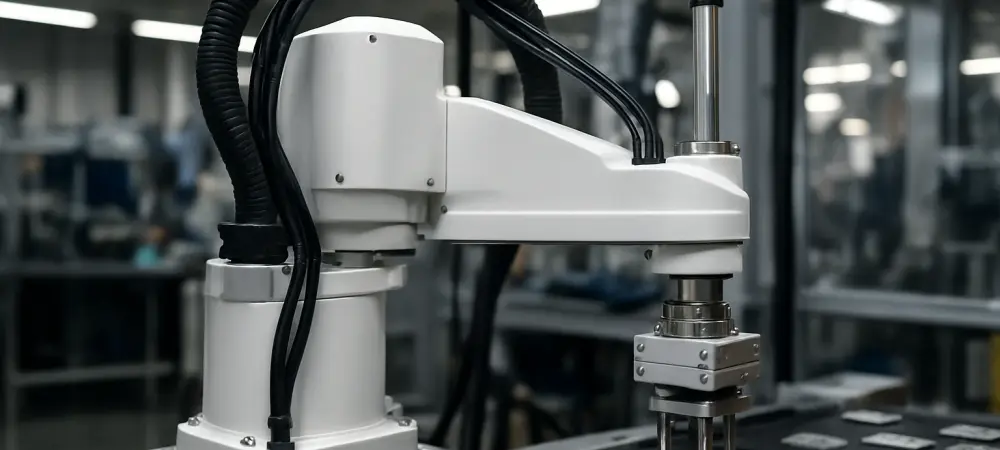
While Silicon Valley remains fixated on large language models that generate poetry and code, the real battle for enterprise dominance is being fought in the unglamorous trenches of mission-critical workflow orchestration. Organizations today face a daunting reality where the speed
While Silicon Valley remains fixated on large language models that generate poetry and code, the real battle for enterprise dominance is being fought in the unglamorous trenches of mission-critical workflow orchestration. Organizations today face a daunting reality where the speed
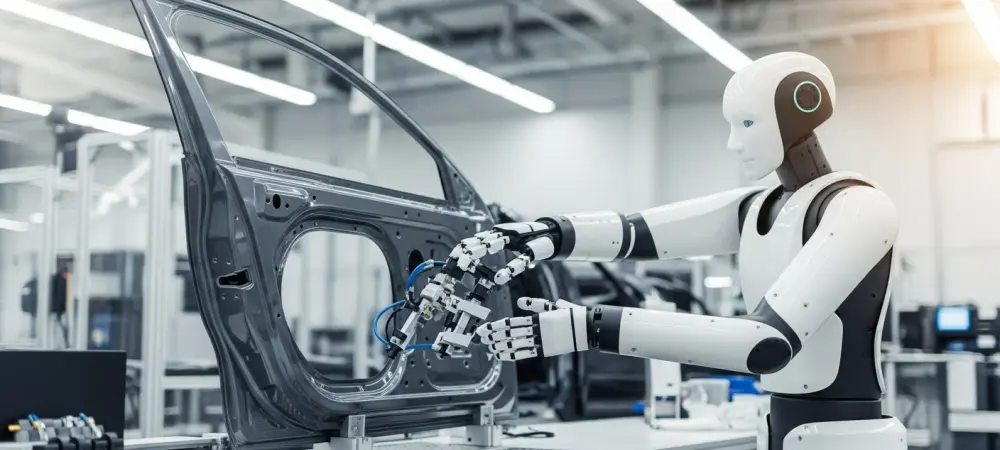
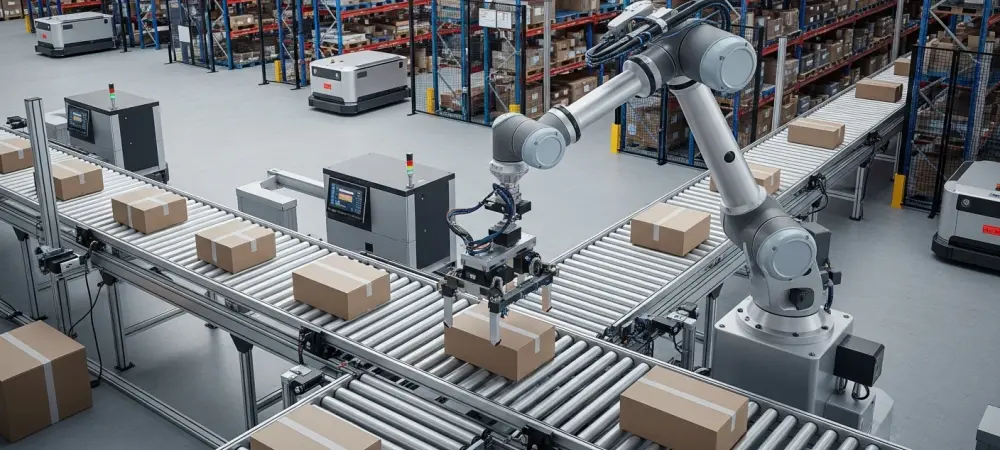
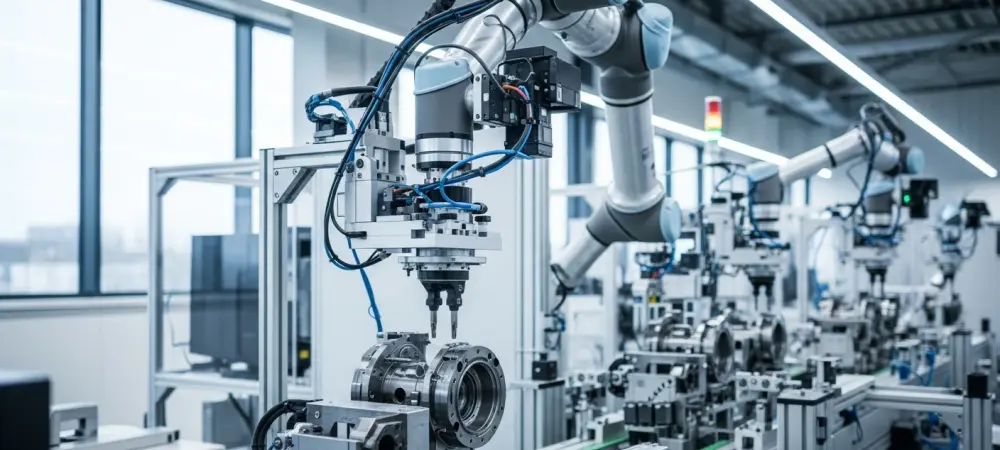

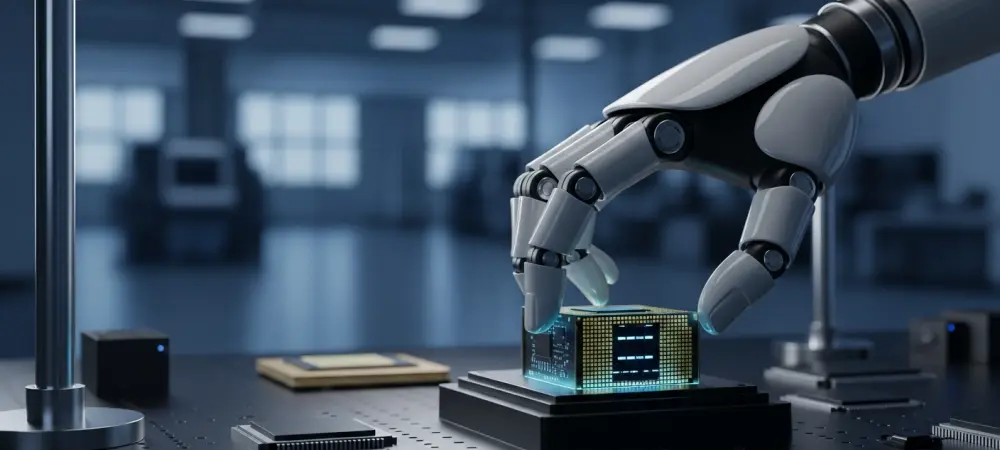

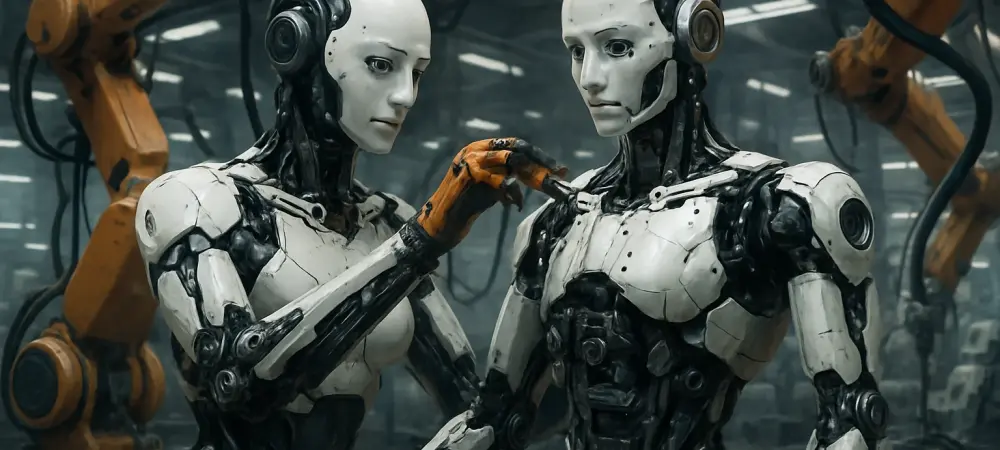
The rhythmic clanking of stationary assembly lines is being replaced by the soft hum of autonomous machines that walk with the purpose and poise of human veterans. For decades, the image of automotive manufacturing was defined by massive, orange robotic
Deeper Sections Await

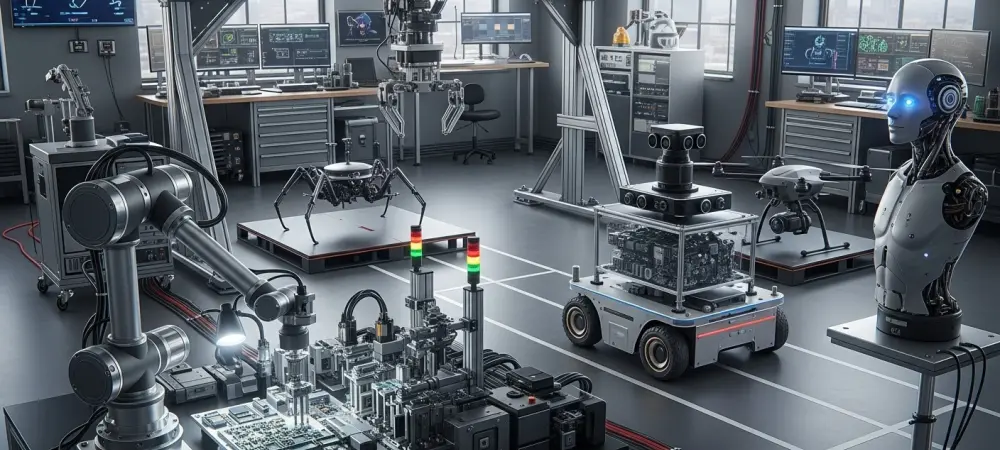
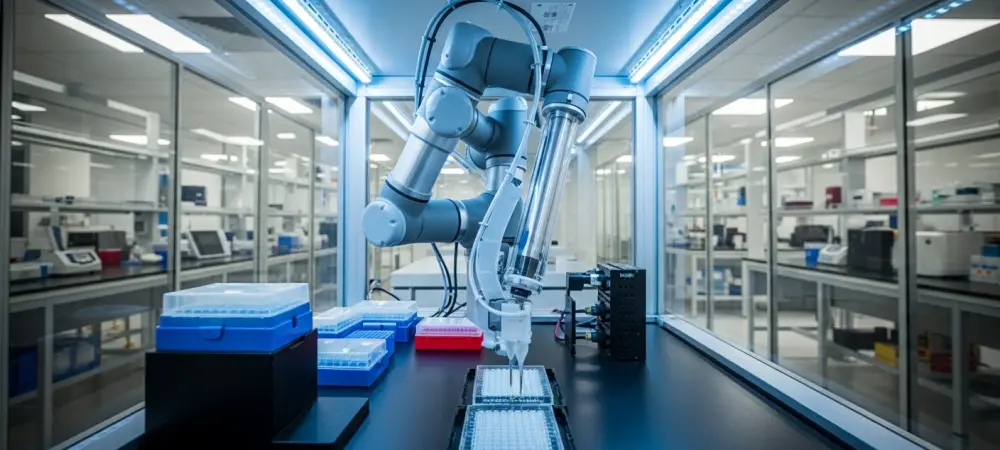
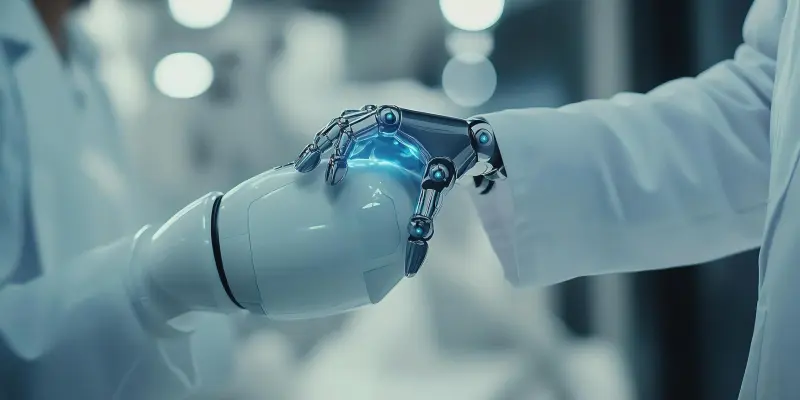
The implementation and integration of robotics in laboratory settings have been transformative, especially in the context of scientific research. Researchers and scientists have long faced challenges related to the labor-intensive nature of many experimental tasks. Traditional methods, often manual and

Imagine a bustling office environment where employees are inundated with repetitive, mundane tasks that leave little room for creativity or strategic thinking. These routine tasks, while essential, often lead to employee burnout and operational inefficiencies. Traditional Robotic Process Automation (RPA)
Browse Different Divisions
The implementation and integration of robotics in laboratory settings have been transformative, especially in the context of scientific research. Researchers and scientists have long faced challenges related to the labor-intensive nature of many experimental tasks. Traditional methods, often manual and

As the demands on modern supply chains continue to intensify, businesses are challenged to ensure the seamless integration of various systems to maintain efficiency and reduce operational costs. The growing complexity of global supply chains underscores the need for advanced
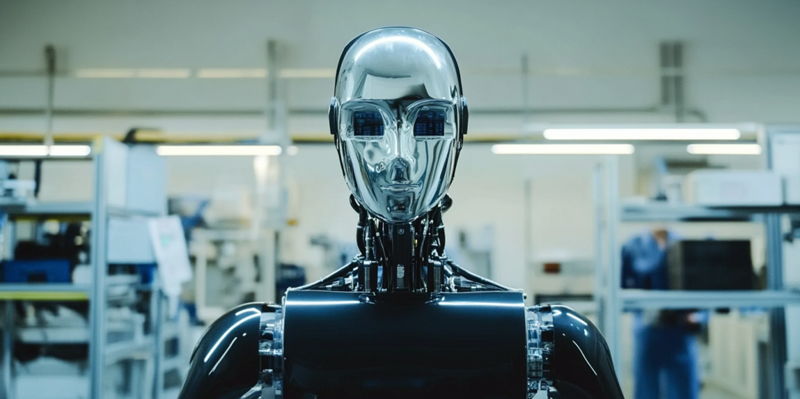
The manufacturing industry has long been a cornerstone of economic development, driving innovation and productivity. In recent years, the integration of robotics and Artificial Intelligence (AI) has brought about transformative changes, pushing the boundaries of what is possible in manufacturing.
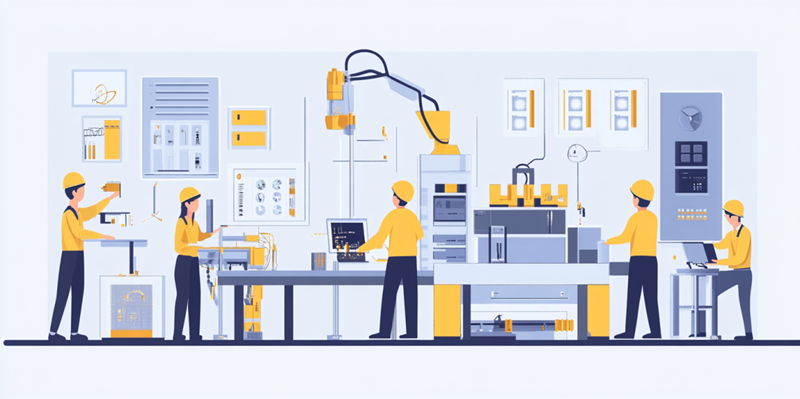
Imagine a world where machines perform mundane tasks with precise accuracy, allowing humans to focus on creative and strategic endeavors; this vision is rapidly becoming a reality due to the transformative impact of intelligent automation (IA) on global employment. The

The landscape of automation technology is undergoing a significant transformation. Historically, Robotic Process Automation (RPA) has been the go-to solution for automating repetitive tasks within organizations. However, the advent of Artificial Intelligence (AI) is ushering in a new era of
Imagine a bustling office environment where employees are inundated with repetitive, mundane tasks that leave little room for creativity or strategic thinking. These routine tasks, while essential, often lead to employee burnout and operational inefficiencies. Traditional Robotic Process Automation (RPA)
Browse Different Divisions


Uncover What’s Next
B2BDaily uses cookies to personalize your experience on our website. By continuing to use this site, you agree to our Cookie Policy