
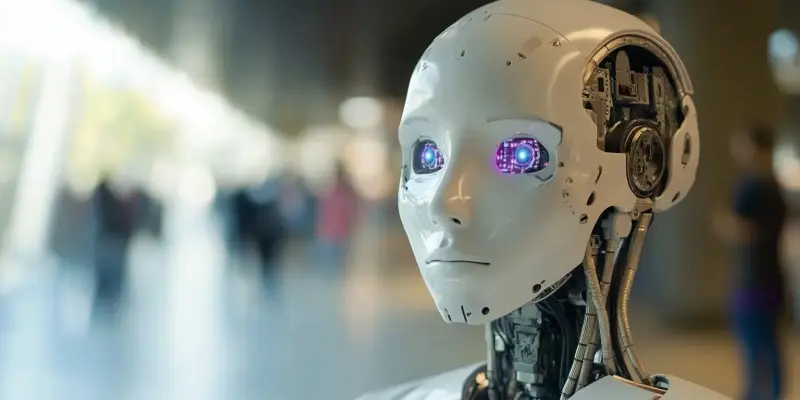
OpenAI Advances Robotics with Human-Like Intelligence and Innovation

OpenAI is spearheading a paradigm shift in the robotics sector with a renewed and vigorous emphasis on developing robots that boast human-like intelligence. These next-generation robots, unlike traditional mechanical devices, are designed to think autonomously, perceive their environment, and execute actions with a level of sophistication that closely mimics human behavior. Under the astute leadership of Caitlin Kalinowski, OpenAI’s robotics division is pushing the envelope by integrating advanced sensors and artificial intelligence into their machines. There is a growing excitement around the possibility of OpenAI venturing into the development of humanoid robots, spurred by their ongoing experiments with robotic appendages that replicate human muscle movements. This surge of activity in the robotics industry is being buoyed by substantial investments and emerging market trends that underscore the timeliness of OpenAI’s foray into this space.

Transforming Industries through Intelligent Robotics

OpenAI’s long-term vision includes integrating specialized hardware with advanced AI, aiming to secure a strong foothold in the robotics sector. This move is strategic, aiming to make a significant impact, push innovation, and set industry standards. Collaborations with design icons like Jony Ive suggest major creative and technical strides in upcoming robots. OpenAI’s initiative points to a future where powerful AI and advanced robotics could revolutionize various fields. From car manufacturing to biotechnology, there’s a consensus that intelligent robots will become essential, improving efficiency and transforming how industries operate.

This ambitious effort marks a significant shift in industrial dynamics, driven by smart machines capable of performing intricate tasks with exceptional accuracy. By leveraging AI’s capabilities, OpenAI envisions robots that will not just automate but also enhance human abilities. The goal of combining human-like intelligence within robots transcends engineering; it’s a visionary step towards redefining productivity and innovation. As OpenAI continues to innovate, the company promises a new era of technology where intelligent robots transform industries, bringing unprecedented efficiency, creativity, and precision.

Explore more

AI Redefines Software Engineering as Manual Coding Fades

The rhythmic clacking of mechanical keyboards, once the heartbeat of Silicon Valley innovation, is rapidly being replaced by the silent, instantaneous pulse of automated script generation. For decades, the ability to hand-write complex logic in languages like Python, Java, or C++ served as the ultimate gatekeeper to a world of prestige and high compensation. Today, that gate is being dismantled

Is Writing Code Becoming Obsolete in the Age of AI?

The 3,000-Developer Question: What Happens When the Keyboard Goes Quiet? The rhythmic tapping of mechanical keyboards that once echoed through every software engineering hub has gradually faded into a thoughtful silence as the industry pivots toward autonomous systems. This transformation was the focal point of a recent gathering of over 3,000 developers who sought to define their roles in a

Skills-Based Hiring Ends the Self-Inflicted Talent Crisis

The persistent disconnect between a company’s inability to fill open roles and the record-breaking volume of incoming applications suggests that modern recruitment has become its own worst enemy. While 65% of HR leaders believe the hiring power dynamic has finally shifted back in their favor, a staggering 62% simultaneously claim they are trapped in a persistent talent crisis. This paradox

AI and Gen Z Are Redefining the Entry-Level Job Market

The silent hum of a server rack now performs the tasks once reserved for the bright-eyed college graduate clutching a fresh diploma and a stack of business cards. This mechanical evolution represents a fundamental dismantling of the traditional corporate hierarchy, where the entry-level role served as a primary training ground for future leaders. As of 2026, the concept of “paying

How Can Recruiters Shift From Attraction to Seduction?

The traditional recruitment funnel has transformed into a complex psychological maze where simply posting a vacancy no longer guarantees a single qualified applicant. Talent acquisition teams now face a reality where the once-reliable job boards remain silent, reflecting a fundamental shift in how professionals view career mobility. This quietude signifies the end of a passive era, as the modern talent