

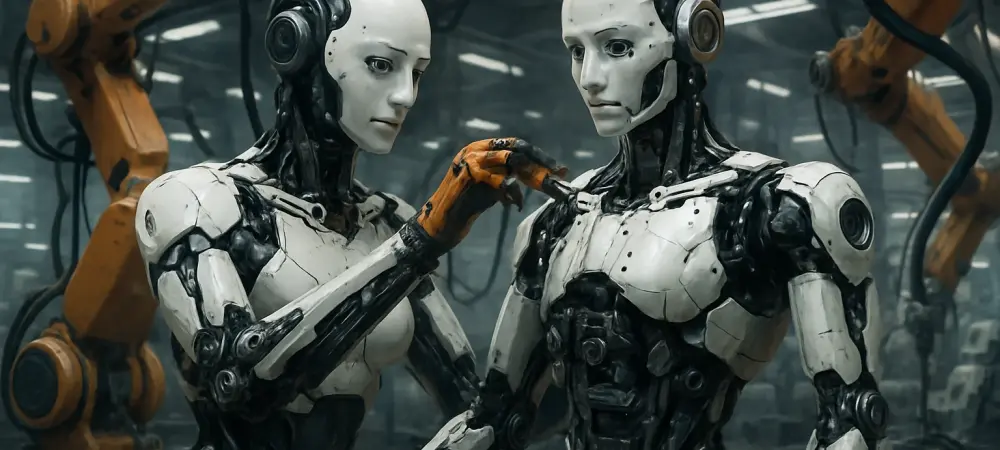
In the heart of a bustling factory, where the hum of machinery competes with the urgency of unmet production quotas, a new figure rolls onto the scene—a sleek, AI-powered humanoid robot named Sherpa Mecha. Designed by Ati Motors, this innovative machine isn’t just another tool; it represents a lifeline for an industry grappling with severe labor shortages and mounting safety concerns. With millions of manufacturing jobs unfilled globally and workplace injuries costing billions each year, the arrival of such technology sparks curiosity about whether robots can truly bridge the gap between human limitations and industrial demands.
A New Era on the Factory Floor: Why Sherpa Mecha Matters
The manufacturing sector stands at a pivotal moment, where traditional methods struggle to keep pace with modern challenges. Sherpa Mecha emerges as a beacon of hope, offering a glimpse into a future where automation and human effort coexist harmoniously. This AI-driven humanoid robot, with its wheeled design and robust capabilities, promises to redefine how factories operate by tackling tasks that are repetitive or physically taxing for human workers.
Beyond its technical prowess, the significance of this robot lies in its potential to address systemic issues plaguing the industry. From reducing downtime to ensuring consistent output, it stands as a symbol of innovation at a time when manufacturers desperately need solutions. Its introduction signals a shift toward smarter, safer workplaces, setting the stage for a deeper exploration of its impact.
The Manufacturing Crisis: Why Humanoid Robots Are the Answer
Today’s manufacturing landscape faces unprecedented hurdles, with labor shortages creating a ripple effect across supply chains. Reports indicate that millions of positions remain vacant, delaying production and straining existing workforces. Coupled with this, workplace injuries—often due to repetitive strain or hazardous conditions—continue to burden companies with significant financial and human costs.
Humanoid robots like Sherpa Mecha, alongside peers such as Digit by Agility Robotics and Atlas by Boston Dynamics, offer a compelling response to these dilemmas. By automating monotonous or dangerous tasks, they reduce the risk of injury while filling critical gaps in staffing. This trend toward automation reflects a broader industry realization that technology can augment human labor, creating a more resilient and efficient factory environment.
The urgency of adopting such solutions cannot be overstated. As global competition intensifies, manufacturers must leverage these advancements to maintain productivity without sacrificing worker well-being. Humanoid robots are not just a luxury but a necessity for survival in this high-stakes arena.
Breaking Down the Tech: How Sherpa Mecha and Its Peers Redefine Efficiency
At the core of Sherpa Mecha’s design is a blend of stability and adaptability, tailored for the rugged terrain of factory floors. With a wheeled base, a 28-pound payload capacity, and 3D LiDAR navigation, it excels in mapping and self-localizing within complex environments. This technology enables seamless movement and precise task execution, from stacking totes to transporting materials.
Comparatively, Digit by Agility Robotics brings bipedal mobility to the table, carrying up to 35 pounds and powered by NVIDIA Jetson AGX Thor hardware for real-time processing. Its ability to navigate varied work cells and handle tasks like conveyor loading showcases a different facet of efficiency. Meanwhile, Atlas by Boston Dynamics emphasizes agility, equipped with high-performance sensors to manage hazardous material handling with finesse.
What unites these robots is their AI-driven autonomy and customizable features, allowing integration into existing systems with minimal disruption. Factories adopting these machines report significant boosts in productivity, as tasks once prone to human error are now executed with precision. This technological synergy illustrates a leap forward in redefining operational standards across the sector.
Voices from the Field: Expert Insights and Real-World Impact
Industry leaders are vocal about the transformative power of humanoid robots in reshaping manufacturing. A robotics engineer at a leading automation firm recently noted, “Machines like Sherpa Mecha are not replacing workers; they’re empowering them by taking on the grunt work.” This sentiment echoes a growing consensus that collaboration between humans and robots is the future of industrial progress.
Early adopters provide tangible evidence of these benefits. In a Midwest factory, the deployment of such robots has slashed injury rates by 30%, allowing staff to focus on strategic roles. Manufacturing executives report output increases of up to 25% since integrating these systems, highlighting their role as indispensable partners on the shop floor.
Research backs these anecdotes, with studies showing a sharp rise in automation adoption over recent years. The data suggests that companies investing in AI-driven robots are better positioned to weather labor crises while maintaining competitive edges. These real-world impacts paint a compelling picture of technology as a catalyst for positive change.
Implementing the Future: Strategies for Adopting Humanoid Robots
For manufacturers eager to embrace this wave of innovation, a structured approach to adoption is essential. The first step involves assessing specific operational needs—whether stability for heavy loads, as offered by Sherpa Mecha’s wheeled design, or agility for dynamic tasks, as seen in bipedal models like Digit or Atlas. This evaluation ensures the chosen technology aligns with factory goals.
Integration into existing workflows requires careful planning, particularly in syncing robots with fleet management systems. Modular software, a feature of many modern robots, allows customization for diverse tasks, from assembly to logistics. Training programs for staff are equally critical, fostering a culture of human-machine collaboration through hands-on learning and clear safety protocols.
Safety remains paramount during this transition. Establishing guidelines for robot operation and prioritizing regular maintenance can mitigate risks and maximize efficiency. By adopting a phased implementation—starting with pilot projects and scaling based on outcomes—manufacturers can navigate this shift with confidence, ensuring long-term success in a rapidly evolving landscape.
Looking back, the journey of integrating AI humanoid robots like Sherpa Mecha into manufacturing revealed a profound shift in industrial dynamics. As these machines took on burdensome tasks, they alleviated human strain and reshaped workplace priorities. The path forward demanded continued investment in training and technology to sustain this momentum. Manufacturers were encouraged to explore partnerships with robotics firms for tailored solutions, ensuring adaptability to unique challenges. Embracing this collaborative model promised not only operational gains but also a reimagined vision of what factories could achieve when humans and machines worked in tandem.