
The sophisticated transition from basic text extraction to cognitive reasoning represents the most significant shift in enterprise technology since the dawn of the cloud era. Most discussions about artificial intelligence today center on chatbots that can write poems or generate
The sophisticated transition from basic text extraction to cognitive reasoning represents the most significant shift in enterprise technology since the dawn of the cloud era. Most discussions about artificial intelligence today center on chatbots that can write poems or generate

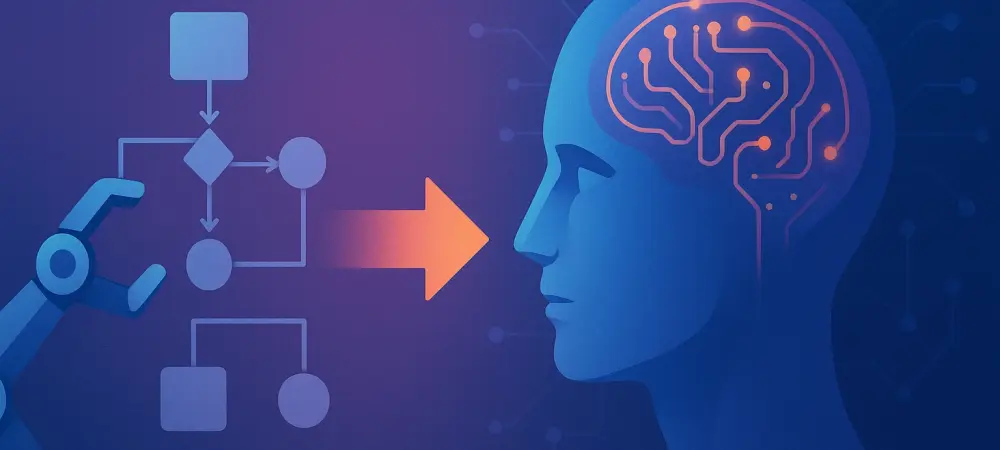



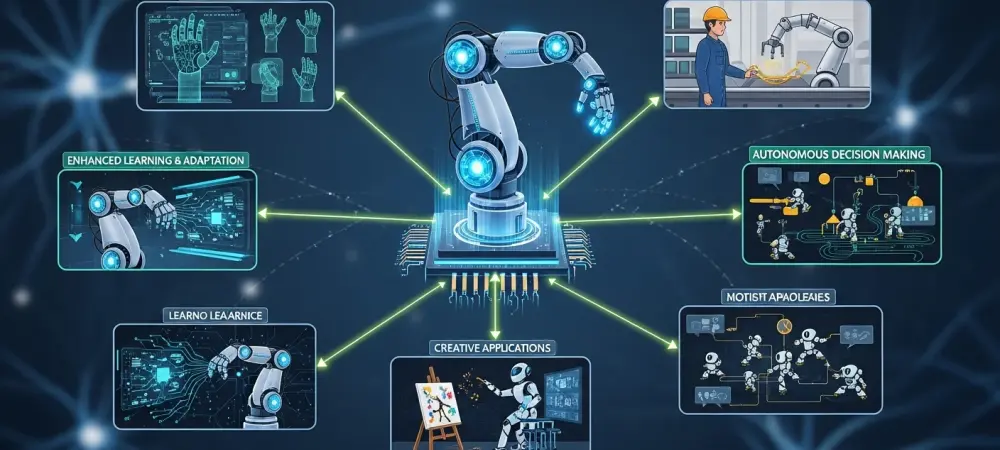
Nearly 40% of businesses cite data quality and governance issues as the critical barriers preventing them from realizing the full potential of AI automation. For years, the promise of the autonomous enterprise remained a distant aspiration, fueled by the rapid
Deeper Sections Await
Artificial Intelligence (AI) and Robotic Process Automation (RPA) are revolutionizing the way businesses operate, driving efficiency, and fostering innovation. These technologies are not just tools but catalysts for a paradigm shift in business processes. By integrating AI and RPA, companies

In the rapidly evolving world of technology, businesses are constantly seeking innovative ways to streamline operations and enhance efficiency. A thought-provoking scenario faced by many is how to effectively integrate new technologies without causing significant disruption. The convergence of Artificial
Browse Different Divisions
Artificial Intelligence (AI) and Robotic Process Automation (RPA) are revolutionizing the way businesses operate, driving efficiency, and fostering innovation. These technologies are not just tools but catalysts for a paradigm shift in business processes. By integrating AI and RPA, companies

In a move to further enhance its operational efficiency and improve public services, Dudley Council has decided to extend its collaboration with digital transformation specialist ArvatoConnect for an additional three years. Initially, the focus of this partnership was the implementation
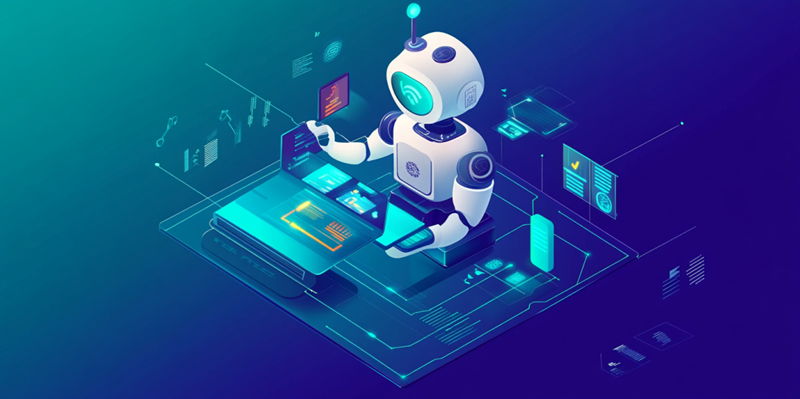
In today’s rapidly evolving business landscape, the integration of Robotic Process Automation (RPA) and Artificial Intelligence (AI) is becoming increasingly crucial. These technologies are driving digital transformation, enhancing efficiency, reducing costs, and improving customer satisfaction. By leveraging the complementary strengths

In today’s rapidly evolving technological landscape, AI-driven automation is a powerful force reshaping various sectors, enhancing decision-making processes, personalizing customer experiences, and transforming workforce dynamics. This comprehensive examination delves into the current trends and future potential of AI automation, providing

The question of whether automation can address labor shortages in road construction is becoming increasingly pertinent as demographic shifts and technological advancements converge. Recently, China repaved nearly 160 km of highways without any human workers, spotlighting the transformative potential of
In the rapidly evolving world of technology, businesses are constantly seeking innovative ways to streamline operations and enhance efficiency. A thought-provoking scenario faced by many is how to effectively integrate new technologies without causing significant disruption. The convergence of Artificial
Browse Different Divisions


Uncover What’s Next
B2BDaily uses cookies to personalize your experience on our website. By continuing to use this site, you agree to our Cookie Policy