
The deployment of KAI, an internal knowledge assistant, has reduced information retrieval times by 99%, moving the process from days to mere seconds. This massive leap in efficiency is part of a broader digital overhaul initiated by PLDT, the leading
The deployment of KAI, an internal knowledge assistant, has reduced information retrieval times by 99%, moving the process from days to mere seconds. This massive leap in efficiency is part of a broader digital overhaul initiated by PLDT, the leading

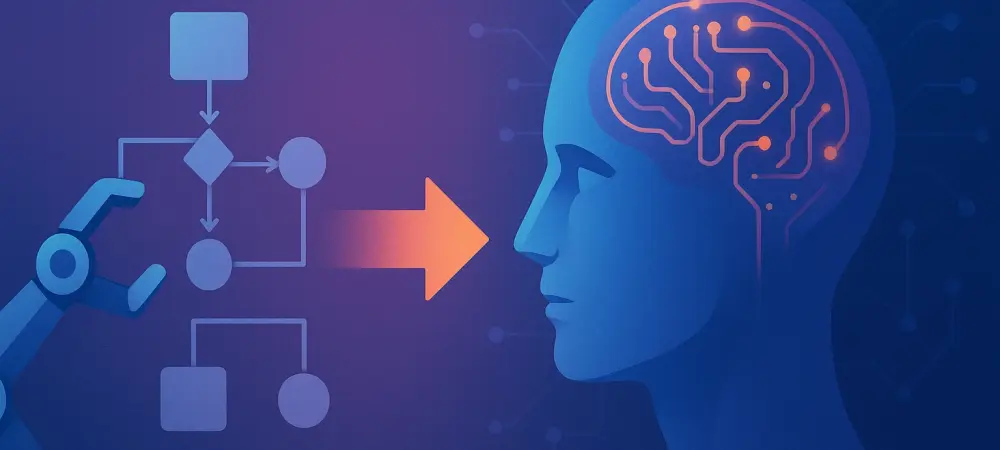



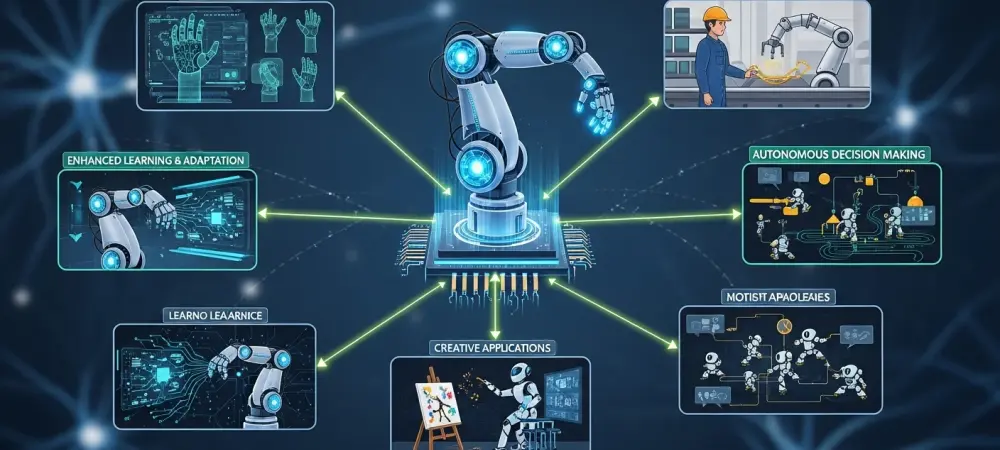
Nearly 40% of businesses cite data quality and governance issues as the critical barriers preventing them from realizing the full potential of AI automation. For years, the promise of the autonomous enterprise remained a distant aspiration, fueled by the rapid
Deeper Sections Await

The landscape of automation technology is undergoing a significant transformation. Historically, Robotic Process Automation (RPA) has been the go-to solution for automating repetitive tasks within organizations. However, the advent of Artificial Intelligence (AI) is ushering in a new era of

The landscape of business automation is rapidly evolving, driven by the integration of advanced technologies such as Artificial Intelligence (AI), Machine Learning (ML), and Natural Language Processing (NLP). Robotic Process Automation (RPA), once limited to automating repetitive, rule-based tasks, is
Browse Different Divisions
The landscape of automation technology is undergoing a significant transformation. Historically, Robotic Process Automation (RPA) has been the go-to solution for automating repetitive tasks within organizations. However, the advent of Artificial Intelligence (AI) is ushering in a new era of

Imagine a bustling office environment where employees are inundated with repetitive, mundane tasks that leave little room for creativity or strategic thinking. These routine tasks, while essential, often lead to employee burnout and operational inefficiencies. Traditional Robotic Process Automation (RPA)
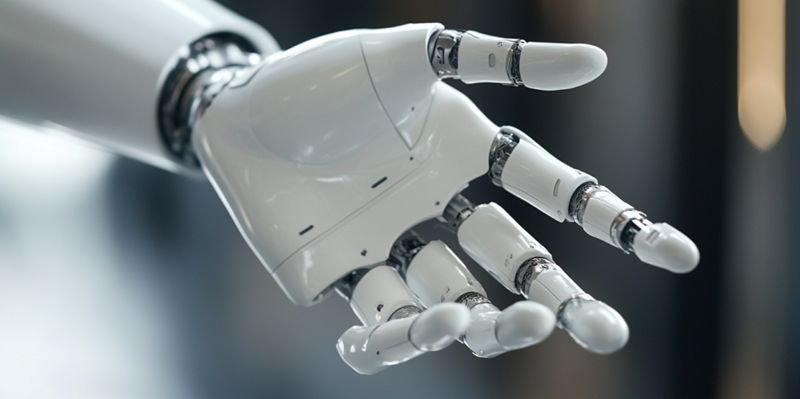
The landscape of automation is undergoing a significant transformation with the introduction of Claude 3.5 Sonnet’s AI-powered computer use. This groundbreaking feature is poised to redefine Robotic Process Automation (RPA) by making AI more intelligent, autonomous, and capable of handling
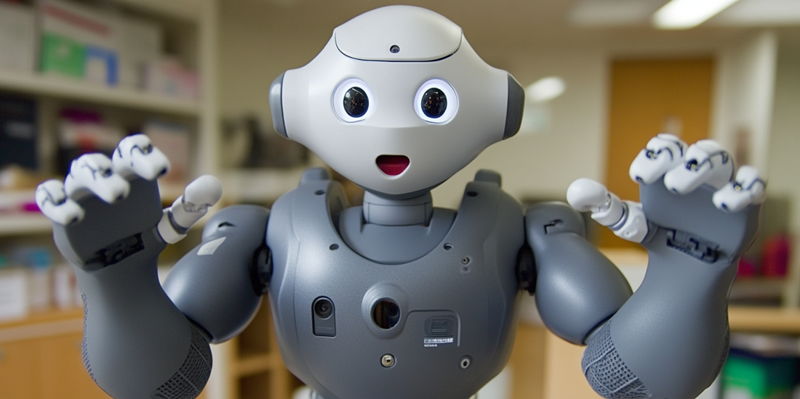
Imagine a world where software systems can autonomously learn and improve their functionality based on the data they process. This vision is increasingly becoming a reality with Learning-Aided Machine Robotic Process Automation (LAM RPA), a groundbreaking advancement blending machine learning

The future of Robotic Process Automation (RPA) is bright, particularly when integrated with Artificial Intelligence (AI). This integration enhances RPA’s capabilities from automating simple, repetitive tasks to enabling comprehensive end-to-end automation. As businesses increasingly adopt automation, they seek smarter and
The landscape of business automation is rapidly evolving, driven by the integration of advanced technologies such as Artificial Intelligence (AI), Machine Learning (ML), and Natural Language Processing (NLP). Robotic Process Automation (RPA), once limited to automating repetitive, rule-based tasks, is
Browse Different Divisions



Uncover What’s Next
B2BDaily uses cookies to personalize your experience on our website. By continuing to use this site, you agree to our Cookie Policy