

Anticipating the Next Evolution in Premium Mobile Technology
The current global mobile landscape is navigating a pivotal transition point where basic hardware iterations are being replaced by radical shifts in fundamental device architecture. As smartphone manufacturers face a saturated market, the arrival of the Honor Magic9 Pro suggests a departure from the conservative update cycles of the past. This upcoming flagship is positioned not merely as an incremental step forward, but as a comprehensive overhaul designed to challenge the established dominance of premium competitors. By prioritizing extreme battery density and ultra-efficient processing, Honor is attempting to capture the attention of power users who demand more than just aesthetic refinements.
Integrating 2 nm silicon and unprecedented power capacities represents a strategic move to secure a leadership position in the high-end segment. This device aims to set a new benchmark for mobile endurance and computational efficiency, potentially altering consumer expectations for the coming year. As industry observers look toward the 2027 global rollout, the Magic9 Pro serves as a primary indicator of where the next generation of mobile technology is headed.
From Challenger to Trendsetter: The Trajectory of the Magic Series
Understanding the significance of the Magic9 Pro requires a look at the rapid evolution of the brand since it gained independence. Honor has successfully moved from being a mid-range specialist to a formidable contender in the flagship arena by consistently testing bold features. Previous entries in the Magic series served as a proving ground for innovations in display durability and high-speed charging that eventually became industry standards. This history of calculated risk-taking has built the necessary momentum for the brand to transition from a market challenger to a genuine trendsetter.
The current trajectory indicates that Honor is no longer content with following established industry leaders like Samsung or Apple. Instead, the brand is leveraging its supply chain flexibility to introduce hardware that larger competitors may find too risky for their mainstream lines. This aggressive approach is essential for understanding why the Magic9 Pro is viewed as a disruptive force, as it represents a shift toward dictating market trends rather than reacting to them.
Decoding the Flagship Innovations of the Magic9 Pro
The Powerhouse Performance: 2nm Architecture and Battery Longevity
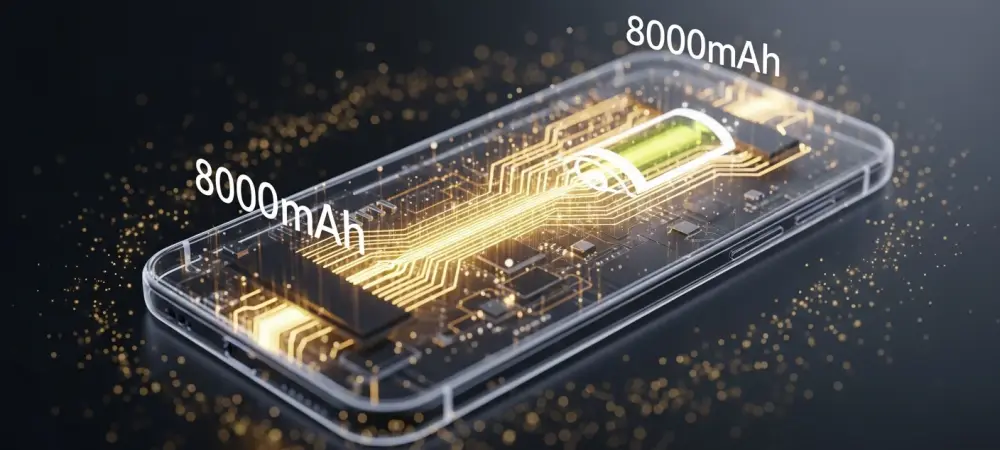
At the center of the Magic9 Pro experience is the rumored implementation of a 2 nm chipset, likely the Snapdragon 8 Elite Gen 6 Pro. This jump from 3 nm to 2 nm architecture is a massive leap in semiconductor engineering, promising substantial gains in thermal management and raw processing speed. For the end user, this translates to a device that stays cool under heavy workloads while delivering the efficiency required to manage complex background tasks and high-fidelity gaming without stuttering. To complement this advanced silicon, Honor is reportedly incorporating a massive 8,000 mAh battery. In a market where a 5,500 mAh cell is considered high-end, this capacity represents a fundamental change in mobile longevity. The challenge lies in balancing this large cell with the ergonomics of a 6.8-inch LTPO AMOLED screen, ensuring that the device remains manageable for daily use while providing multi-day battery life for even the most demanding users.
Revolutionizing Mobile CinemHigh-Resolution Sensors and Arri Collaboration
Honor is seeking to bridge the gap between consumer smartphones and professional film tools through a strategic partnership with Arri, a legendary name in cinema technology. The Magic9 Pro is expected to feature a dual 200 MP sensor setup, including a large 1/1.28-inch main sensor and a periscope telephoto lens. This collaboration suggests that the focus is not just on high pixel counts, but on professional-grade color science and high-quality data capture that mirrors the output of dedicated cinema cameras.
This focus on videography targets the growing demographic of mobile content creators who require high dynamic range and precise color reproduction. By utilizing advanced optics and AI-assisted processing, the device could offer a level of cinematic detail previously unattainable in a handheld format. This move forces the industry to reconsider the role of the smartphone as a primary creative tool rather than just a secondary capture device.
Sophisticated Biometrics: The New Standard for User Privacy
Security is another area where the Magic9 Pro aims to set a new standard for the Android ecosystem. The rumored inclusion of 3D facial recognition using Metalenz’s Polar ID technology provides a level of biometric safety that is rare outside of the iOS environment. This sophisticated hardware allows for secure authentication even in challenging lighting conditions, addressing a long-standing weakness in many competing Android flagships that rely solely on 2D camera data. Furthermore, the addition of an in-display 3D ultrasonic fingerprint scanner provides a redundant and highly secure way to access the device. By combining these two top-tier biometric methods, Honor ensures that user privacy does not come at the cost of convenience. This dual-layered security approach demonstrates that a sleek design can still house the complex hardware necessary for enterprise-grade protection.
Navigating the Shift Toward High-Capacity Ecosystems and AI Integration
The specifications of the Magic9 Pro signal a broader industry shift toward what can be termed extreme endurance. As 2 nm chips become the baseline for flagship performance, software developers are likely to push the boundaries of mobile productivity and gaming, knowing the hardware can support these demands. The trend toward 8,000 mAh batteries may eventually force competitors to redesign their internal cooling and power management systems to keep pace with these new standards of longevity.
Moreover, the integration of advanced sensors and high-resolution optics highlights the increasing role of AI in managing massive amounts of visual data. Future flagships will likely be defined by their ability to use AI to optimize these high-resolution assets in real time, making professional-grade photography accessible to the average user. This shift suggests that the next era of mobile technology will be defined by the synergy between massive hardware capacities and intelligent software optimization.
Strategic Considerations for Enthusiasts and Industry Observers
For those monitoring the mobile market, the Magic9 Pro offers several critical insights into future purchasing and investment decisions. The shift toward higher battery capacities and 2 nm processing suggests that current hardware may soon feel outdated, making this a pivotal moment to assess long-term device needs. Potential buyers should consider how the increased battery size affects the physical weight and balance of the device, as these will be the primary trade-offs for such high performance.
Professionals in the creative sectors should pay close attention to the Arri partnership, as it could signal a new era for mobile-first production. As with any high-end release, the best practice for observers is to wait for independent production benchmarks to verify early rumors. This ensures that the real-world performance of the 8,000 mAh battery and the 2 nm chip matches the ambitious expectations set by early industry leaks.
Final Verdict: Setting the Pace for the 2027 Smartphone Era
The Honor Magic9 Pro stood as a significant milestone in the evolution of premium mobile hardware, successfully bridging the gap between extreme power and refined user security. By integrating 2 nm architecture and cinema-grade optics, the device challenged the industry to look beyond incremental updates. It demonstrated that substantial battery improvements were possible without sacrificing the high-end aesthetic consumers expected from a flagship.
Moving forward, the focus for the industry remained on how software would adapt to leverage such massive hardware potential. Manufacturers were forced to prioritize biometric security and thermal efficiency as new standards for the premium segment. Ultimately, the Magic9 Pro provided a blueprint for the next generation of smartphones, encouraging a shift toward devices that function as professional creative tools and high-end productivity hubs. Organizations and consumers alike benefited from this new focus on long-term reliability and extreme hardware capability.