

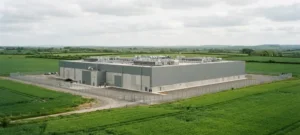
Across the rolling landscapes of fifteen European nations, the hum of digital progress has been met with a resounding chorus of public dissent that challenges the very foundation of the cloud. The coordinated uprising seen in November 2026 represents a seismic shift in how citizens view the massive infrastructure supporting their digital lives. While the demand for high-speed connectivity remains strong, the physical footprint of these facilities has sparked a fierce debate over land use and regional sovereignty. This movement signals that the era of unquestioned expansion is over as communities demand more than just fast internet.
The Billion-Euro Digital Expansion Meets Public Resistance
The tension between invisible digital services and the massive concrete structures they require has reached a breaking point across the continent. For years, the expansion of the cloud was marketed as a clean evolution of the economy, but the reality involves sprawling industrial zones that dominate local skylines. The November 2026 protests marked a turning point for European digital policy, as activists transitioned from isolated complaints to a unified front against Big Tech. This coordinated action reflects a realization that the digital world has tangible, often intrusive, physical consequences for those living near its hubs.
Navigating the Surge in European Digital Infrastructure
European governments are currently pushing a projected €176 billion investment in data facilities to be completed by 2031. This aggressive strategy stems from a geopolitical race to secure technological sovereignty against American and Chinese dominance. However, the “Stop Dirty Data Centers” campaign has emerged as a direct grassroots response to this top-down approach. By framing these facilities as “dirty,” the movement highlights the hidden environmental costs that are often omitted from corporate brochures, forcing a reassessment of what digital progress costs a society.
Critical Drivers of the Stop Dirty Data Centers Movement
A primary catalyst for this movement is the staggering consumption of electricity and water required to keep artificial intelligence and cloud storage operational. These energy-hungry facilities place an immense strain on national grids, leading to rising utility bills for ordinary residents while industrial cooling systems deplete local water tables. Beyond the environmental footprint, the quality of life for nearby communities has deteriorated significantly. Persistent noise from industrial fans and pollution from backup generators have transformed residential areas into loud industrial zones that offer little economic benefit to immediate neighbors.
Insights into the Global Shift Against AI Overreach
The momentum of European activism was bolstered by recent political shifts in the United States. Following the American midterm elections, where voters increasingly favored candidates promising to curb Big Tech, European organizers found new confidence in their own fight. This international consensus reflects a broader skepticism toward unchecked artificial intelligence and the infrastructure it demands. There is a glaring disconnect between high-level economic ambitions and the lived reality of residents, particularly in cases where massive digital growth bypassed democratic oversight or local consent.
Frameworks for Ensuring Sustainable Technological Development
Advocates called for immediate moratoriums on new large-scale facilities to allow for thorough environmental assessments. This temporary pause enabled regulators to evaluate the cumulative impact of data clusters on regional resources rather than approving projects in isolation. Establishing mandatory oversight became essential to prioritize community well-being over corporate profit. Future policies focused on integrating rigorous air and noise standards while ensuring residents had a direct vote on major land-use changes. These steps aimed to align technological goals with long-term ecological stability and democratic accountability.