

Introduction
Discerning tech enthusiasts often find themselves forced to choose between the bulky prowess of a top-tier flagship and the convenient portability of a mid-range device. The arrival of the Vivo X300 FE, also known as the Fashion Edition, seeks to eliminate this compromise by blending high-end hardware with a refined, pocket-friendly silhouette. This movement toward smaller yet powerful handsets reflects a growing demand for premium tools that do not dominate the palm or the pocket.
This exploration evaluates the specific features that distinguish this device, from its unique color palette to its advanced camera architecture. Readers will gain insight into how the manufacturer balanced aesthetic appeal with structural integrity and performance. By examining the hardware choices and design philosophy, one can determine if this model truly sets a new standard for the modern compact flagship.
Key Questions or Key Topics Section
What Defines the Design Aesthetic of the Urban Olive Variant?
Modern smartphone design frequently leans into glossy finishes that, while striking, often act as magnets for unsightly fingerprints and smudges. The Urban Olive variant of the X300 FE addresses this frustration by introducing the Metal Sand AG glass back, a texture that maintains a premium feel while ensuring the device remains pristine throughout the day. This exclusive Indian market colorway offers a sophisticated, deep green hue that transforms under different lighting conditions.
The visual appeal is further bolstered by a color-matched matte aluminum frame, which creates a seamless transition between the front and back of the device. This choice in materials not only elevates the tactile experience but also provides a more understated and professional look compared to the brighter finishes found on earlier models. Consequently, the handset serves as both a powerful communication tool and a subtle fashion statement.
How Does the Compact Form Factor Impact the User Experience?
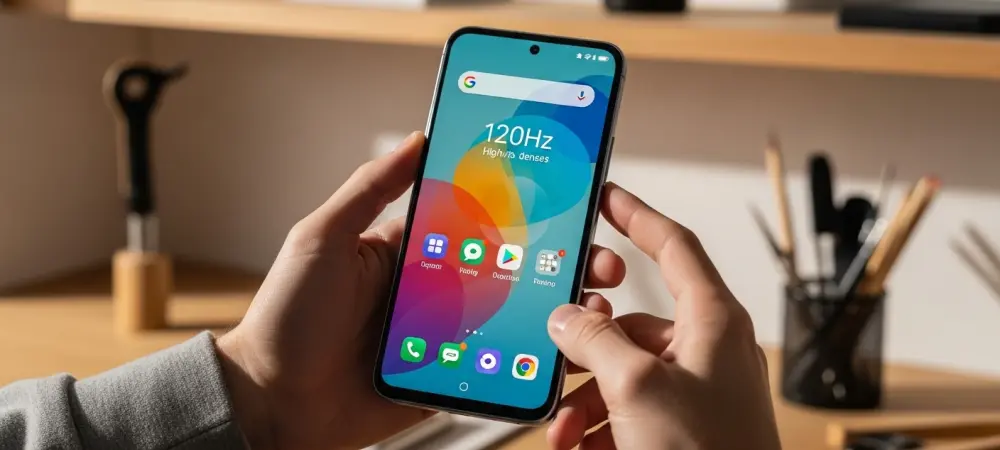
The industry trend of increasing screen sizes has made one-handed operation nearly impossible for many users, leading to a renewed interest in ergonomic dimensions. By opting for a 6.31-inch 120Hz LTPO AMOLED display, this device provides an expansive viewing area without the unwieldy chassis of a traditional plus-sized phone. This compact footprint allows for effortless navigation across the interface while maintaining the high-density visuals expected of a flagship.
Moreover, the inclusion of an ultrasonic fingerprint scanner beneath the Schott Xensation Core glass ensures that security is both fast and reliable, even in challenging conditions. The structural balance is carefully maintained, ensuring the device feels substantial but never heavy. By prioritizing ergonomics, the brand has created a tool that feels natural to hold, reducing hand fatigue during long sessions of photography or scrolling.
What Makes the Camera Visor Architecture a Significant Departure?
Typical smartphone camera bumps often lead to instability when a device is placed on a flat surface, causing a frustrating wobble during use. The X300 FE solves this issue by implementing a horizontal camera visor that spans the entire width of the chassis, providing a level base. This architectural shift is not merely functional; it also gives the phone a distinct and modern silhouette that stands out in a crowded market of circular or square modules. Within this visor sits a potent triple-camera array, featuring a 50MP primary sensor and a 50MP periscope telephoto lens, alongside an 8MP ultrawide camera. The system is complemented by an Adaptive Zoom Flash, which adjusts its output based on the focal length to ensure optimal lighting. Such a versatile setup packed into a compact frame demonstrates that downsizing the body does not have to mean downsizing the photographic capabilities.
Summary or Recap
The Vivo X300 FE represented a successful attempt to merge the worlds of high-fashion aesthetics and professional-grade mobile technology. By focusing on a smudge-resistant finish and an ergonomic compact size, the manufacturer addressed the primary pain points of the modern user. The inclusion of a color-matched protective case and the stability provided by the horizontal visor design showcased a commitment to a cohesive and thoughtful user experience. The device stood as a testament to the fact that power and portability were not mutually exclusive concepts. Its specific focus on the Indian market with the Urban Olive colorway indicated a localized approach to global technology trends. For those who sought a device that was as comfortable in a professional setting as it was in a creative one, this model provided a compelling and well-engineered solution.
Conclusion or Final Thoughts
The arrival of the X300 FE signaled a shift in how manufacturers approached the concept of a flagship device. It was clear that users no longer wanted to sacrifice style for substance, and this model bridged that gap with confidence. The transition toward matte textures and stabilized camera modules pointed toward a future where hardware was as durable as it was beautiful.
Moving forward, the industry will likely look toward these compact innovations as the blueprint for next-generation hardware. Consumers would do well to consider how the tactile quality and size of a device influenced their daily productivity and comfort. As technology continues to evolve, the balance between a sleek form factor and uncompromising internal power remained the true benchmark of a successful smartphone.