

The rapid evolution of mobile silicon and sensor density has reached a critical inflection point where flagship devices are no longer defined by incremental updates but by fundamental architectural overhauls. As the mobile industry prepares for the late 2026 product cycle, the spotlight has shifted toward Honor and its upcoming release, which aims to bridge the gap between consumer electronics and professional-grade specialized equipment. Early reports indicate that the Magic9 Pro is not merely a refinement of its predecessor but a platform designed to showcase the pinnacle of current engineering capabilities. With a scheduled debut in China this October and a broader rollout expected in early 2027, the device arrives at a time when users demand more than just faster app loading times. The market is witnessing a transition toward “ultra-spec” hardware that prioritizes long-term utility through massive battery capacities and advanced biometric systems that were once exclusive to only a few select manufacturers.
Revolutionary Hardware Architecture
Processing Performance: The 2nm Milestone
At the heart of this upcoming flagship lies the Snapdragon 8 Elite Gen 6 Pro chipset, a processor that represents a significant leap forward due to its 2 nm manufacturing process. This shift in node size is particularly important as it allows for a higher transistor density, which directly translates to improved thermal management and lower power consumption during high-intensity tasks. By utilizing the 2 nm architecture, the device can maintain peak performance levels for extended periods without the aggressive thermal throttling that plagued earlier generations. This efficiency is critical for modern use cases, such as on-device generative AI and high-frame-rate mobile gaming, which require sustained computational throughput. Furthermore, the integration of this chipset suggests a focus on longevity, ensuring the hardware remains relevant as software demands increase between 2026 and 2028. The leap in efficiency also facilitates better synergy between the hardware and the specialized cooling solutions expected in this model.
Beyond raw processing speed, the Magic9 Pro aims to revolutionize how users interact with their devices through a sophisticated dual-biometric system. Reports suggest the inclusion of 3D facial recognition powered by Metalenz’s Polar ID technology, which provides a level of security comparable to established industry standards like Apple’s Face ID. Unlike traditional camera-based face unlock, this system uses polarized light to create a detailed map of the user’s features, making it nearly impossible to spoof with photos or masks. Complementing this is an in-display 3D ultrasonic fingerprint scanner, which offers a versatile alternative for authentication in various environments. By offering both high-end biometric options, the device addresses a long-standing criticism of Android flagships that often forced users to choose between convenience and security. This multi-layered approach ensures that the smartphone remains a secure vault for sensitive personal and financial data in an increasingly digital world.
Display Innovation: The LTPO AMOLED Evolution
Visual experiences are set to be enhanced by a 6.8-inch 1.5K LTPO AMOLED flat panel that emphasizes both clarity and energy conservation. The transition to a flat screen design is a strategic move that favors usability and durability over the aesthetic appeal of curved edges, which often suffer from accidental touches and structural fragility. The LTPO technology allows the refresh rate to scale dynamically from 1 Hz to 120 Hz, or even higher, depending on the displayed content. This adaptability is crucial for preserving battery life while providing a fluid interface for scrolling and animations. With a 1.5K resolution, the display strikes a perfect balance between pixel density and power draw, avoiding the excessive drain of 4K panels while maintaining sharpness that is indistinguishable to the human eye at standard viewing distances. This display is not just a window to the software but a highly calibrated tool designed for professional color accuracy.
The refinement of the display housing also points toward a more immersive experience with minimized bezels and improved structural integrity. By integrating the 3D facial recognition sensors into a smaller footprint, the screen real estate is maximized without compromising the security features mentioned previously. This careful calibration of hardware elements reflects a broader design philosophy where the screen is viewed as an interactive canvas. The use of advanced materials in the panel construction also promises higher peak brightness levels, making the device easily readable even under the direct glare of the midday sun. Such improvements are essential for users who rely on their smartphones for outdoor photography or navigation. Consequently, the display serves as the primary touchpoint for the brand’s new software features, ensuring that every interaction feels responsive and visually consistent throughout the device’s operational lifespan.
Professional Imaging and Power Management
Optical Excellence: The Arri Collaboration
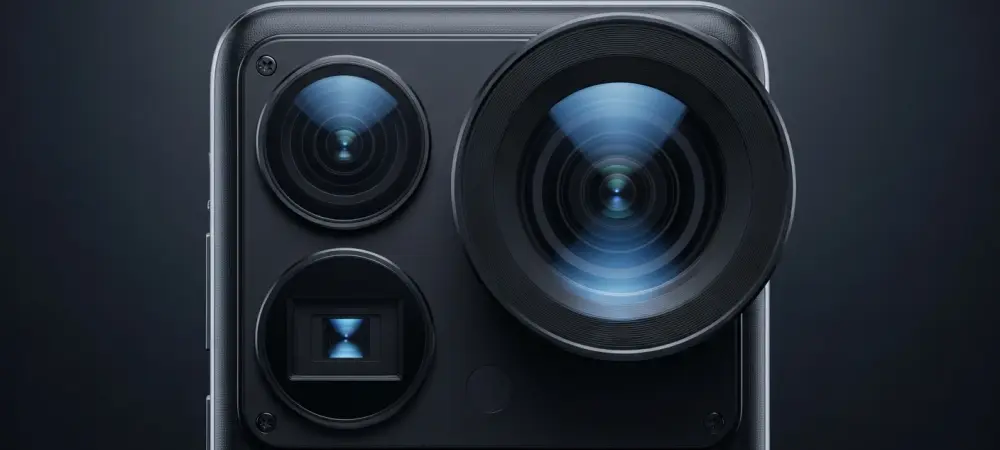
Photography remains the most competitive battleground for flagship smartphones, and the Magic9 Pro is reportedly raising the stakes through a strategic partnership with Arri. Known for their legendary cinema cameras, Arri’s involvement suggests a focus on color science and cinematic video capabilities that go beyond standard mobile photography. The rumored dual 200 MP sensor configuration is a bold statement of intent, featuring a massive 1/1.28-inch main sensor that can capture incredible detail even in challenging lighting conditions. This large sensor size allows for better natural bokeh and a wider dynamic range, reducing the reliance on artificial software processing. By moving toward larger physical sensors rather than just higher megapixel counts, the device aims to produce images with a “film-like” quality that appeals to enthusiasts and professionals alike who seek authenticity in their digital captures.
The secondary 200 MP sensor is expected to be paired with a periscope telephoto lens, utilizing a 1/1.3 to 1/1.4-inch sensor size to redefine long-range mobile imaging. This setup addresses the traditional weakness of telephoto lenses, which often suffer from small sensors that produce noisy images in low light. With such a large sensor dedicated to zoom, the device can maintain high resolution and clarity at 5x or 10x optical magnification, making it a viable tool for sports and wildlife photography. The collaboration with Arri likely extends to specialized video modes and color profiles that mimic the look of professional cinema stock. This integration of high-resolution hardware and professional-grade color tuning positions the smartphone as a pocketable alternative to dedicated camera equipment. As mobile content creation continues to dominate the digital landscape, these optical advancements provide users with the tools necessary to produce high-caliber visual narratives.
Sustainable Power: The 8,000 mAh Standard
To support the demanding hardware and high-resolution displays, Honor has reportedly made a significant breakthrough in battery density. The jump to an 8,000 mAh battery is a substantial increase over the previous generation’s 7,100 mAh capacity, effectively setting a new benchmark for flagship longevity. This is likely achieved through the use of silicon-carbon battery technology, which allows for higher energy density in a smaller physical volume compared to traditional lithium-ion cells. For the end user, this means the device can easily last two full days of heavy use, including gaming, video recording, and constant connectivity. This shift is a direct response to the “range anxiety” often associated with powerful smartphones, ensuring that the device remains functional throughout long workdays or travel without the constant need for a charger. This battery milestone is perhaps the most practical upgrade for the average consumer.
The strategic direction taken with the Magic9 Pro indicated a move toward creating a “super-phone” that eliminates the compromises typically found in the flagship segment. By integrating 2 nm silicon, professional Arri-tuned optics, and a massive 8,000 mAh battery, the device was positioned to compete at the absolute highest tier of the global market. These specifications suggested that the era of incremental yearly updates had been replaced by a focus on significant, hardware-driven leaps in capability. For prospective buyers, the focus shifted toward evaluating how these professional-grade tools could be integrated into daily workflows or creative endeavors. Looking forward, the success of this model will likely encourage other manufacturers to prioritize battery density and biometric security as standard features. This development marked a pivotal moment where the smartphone evolved from a communication device into a comprehensive workstation capable of handling the most demanding tasks of the modern era.