

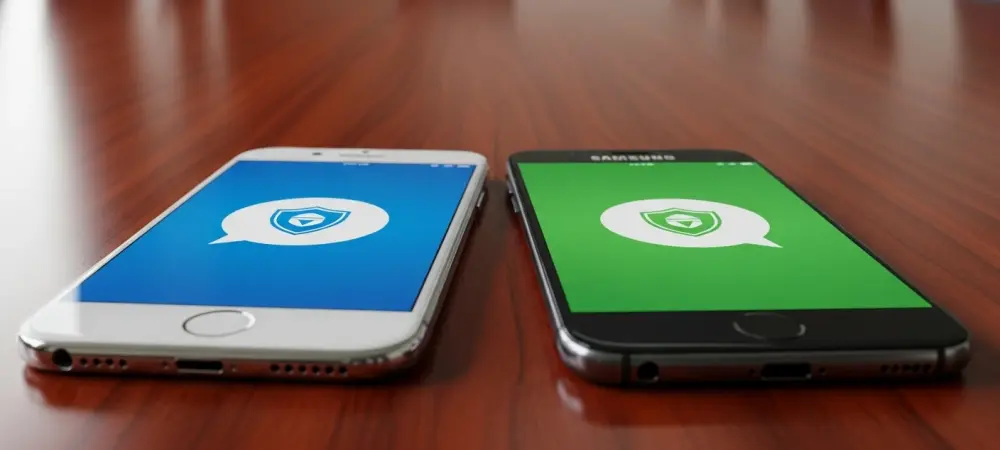
The digital barrier that has long separated iPhone and Android users is finally crumbling as mobile communication enters a sophisticated new chapter of privacy and interoperability. For years, the green and blue bubble divide was not just about aesthetics; it represented a fundamental security gap where cross-platform texts often reverted to archaic, unencrypted standards. The arrival of iOS 26.5 changes this narrative by institutionalizing a level of protection that was previously reserved for niche privacy applications, signaling a massive shift in how billions of people interact daily.
This analysis explores the technical and social implications of the official integration of end-to-end encryption (E2EE) for Rich Communication Services (RCS). By examining the collaborative efforts between tech giants and the underlying protocols, readers can understand how this update transforms their smartphone into a more secure gateway. The discussion focuses on the mechanics of the rollout, the user experience, and the broader push toward universal privacy standards that benefit everyone, regardless of their choice of hardware.
Key Questions About the Messaging Revolution
How Does iOS 26.5 Change the Security Landscape for Cross-Platform Chats?
The primary shift involves the transition from the outdated SMS protocol to a modernized, encrypted version of RCS. Historically, when an iPhone user messaged someone on an Android device, the content traveled through carrier networks in a format that could theoretically be intercepted or read by unauthorized third parties. This vulnerability existed because the two systems lacked a shared language for high-level encryption. However, the latest update bridges this gap by ensuring that the default communication channel between these competing operating systems is secured from the moment a message is sent until it is received.
Under the hood, this security is powered by the Messaging Layer Security (MLS) protocol, which is integrated into the GSMA’s RCS Universal Profile 3.0. Unlike older encryption methods that struggled with large-scale group chats or varied hardware, MLS is built to be resilient and interoperable. It allows different manufacturers and service providers to maintain a high security standard without requiring users to download third-party software. This technical milestone ensures that the privacy of a conversation no longer depends on whether everyone in the group uses the same brand of phone.
Will Users Need to Manually Configure These New Security Features?
One of the most significant aspects of this rollout is the emphasis on a frictionless user experience. Apple and Google have designed the system to activate encryption automatically, meaning there are no complex menus to navigate or toggles to flip. For the average person, the transition happens entirely behind the scenes. When two compatible devices detect that they are both running the latest software and supported by their respective carriers, the system upgrades the connection to an encrypted RCS session without any manual intervention.
To confirm that a conversation is protected, users can look for a subtle lock icon within the chat interface, which serves as a quiet assurance of privacy. This design choice reflects a broader trend toward “privacy by default,” where sophisticated security measures are woven into the fabric of the software rather than treated as an optional add-on. As long as iPhone users have updated to iOS 26.5 and Android users remain on the latest version of Google Messages, the benefits of this secure infrastructure remain constant and invisible.
Does This Update Mean the End of the iMessage Exclusive Era?
While the integration of encrypted RCS is a monumental step for cross-platform communication, it does not signal the retirement of iMessage. Apple continues to maintain its proprietary service as the premier standard for its own ecosystem, offering specific features and deep integration with other Apple devices. Instead, the update should be viewed as a significant enhancement to the “fallback” experience. In the past, leaving the iMessage ecosystem meant sacrificing security; now, the floor has been raised so that even cross-platform interactions meet a professional grade of protection.
Moreover, this development highlights a shift in industry philosophy, where the focus has moved from locked-in ecosystems toward a more inclusive digital environment. By adopting the MLS protocol, tech leaders have acknowledged that the modern world requires secure communication across all boundaries. This democratization of encryption ensures that high-level privacy is no longer a luxury or a technical challenge for the user, but a basic standard of mobile telecommunications that protects global traffic from interception and surveillance.
Summary: A New Standard for Mobile Privacy
The transition to iOS 26.5 and the concurrent updates on the Android side effectively closed a decades-old loop in mobile security. By implementing end-to-end encryption through the Universal Profile 3.0, the industry moved away from the vulnerabilities of SMS and embraced a future defined by the Messaging Layer Security protocol. This shift provided users with high-quality media sharing and real-time interaction indicators while ensuring that the content of their messages remained private. The collaboration between Apple and Google proved that interoperability and security could coexist without compromising the user experience or brand identity.
The implications of this update extended beyond simple text messaging, as it set a precedent for future hardware and software developments. The rollout demonstrated that when major players agree on a common security framework, the entire digital ecosystem became more resilient against external threats. This milestone served as a reminder that the evolution of technology should always prioritize the safety and privacy of the global population, regardless of the devices they carried in their pockets.
Final Thoughts on the Future of Interoperability
The move toward universal encryption was a necessary response to the growing complexities of our digital lives. As people continue to navigate a world where their smartphones are the primary tools for personal and professional expression, the assurance that their data is protected during transit is invaluable. It is worth considering how these changes might influence other areas of technology, from the Internet of Things to cross-platform productivity suites, where similar silos still exist. For those looking to maximize their digital safety, ensuring that devices are consistently updated remains the most effective strategy. As the rollout of iOS 26.5 reaches more carriers and regions, the global community moves closer to a reality where “secure by default” is the only acceptable standard. Moving forward, the focus will likely shift to further refining these protocols to handle even more complex data types, ensuring that the bridge between different technologies remains both sturdy and private for everyone involved.