

The Baltic coastline is currently witnessing a transformative shift as Poland positions itself to become a primary powerhouse for digital infrastructure across the European continent. This movement centers on a proposal by WBS Power to establish a gigawatt-scale data center near Choczewo. The Baltic Data Center Campus aims to address the rising global demand for computing, potentially reshaping the regional technological landscape. By exploring the technical facets of this venture, readers can understand how this facility could redefine the regional economy.
Key Questions Regarding the Baltic Data Center Campus
What Is the Scale of the Proposed Baltic Data Center Campus?
The facility is planned with a staggering total capacity of 3.2 gigawatts, making it the largest in Poland. This scale is necessary to support artificial intelligence and cloud computing trends which require more power than traditional processing. The project serves as a cornerstone for the regional digital strategy, aiming to provide the high-capacity storage needed for the next decade of technological growth. The development is organized into 800-megawatt phases to ensure steady implementation. The initial stage alone requires a capital injection estimated between $8 billion and $10 billion to secure essential hardware. This phased approach allows the developer to scale the infrastructure while securing the necessary technical partnerships and server technology required for such a sophisticated environment.
How Will the Facility Meet Its Enormous Energy Requirements?
The Choczewo site was selected primarily for its proximity to the Choczewo Power Station, which serves as a vital anchor. While the developer plans to utilize the national grid, they aim to procure 40% of the electricity through renewable power purchase agreements. However, current limitations in green energy capacity mean a significant portion must still come from conventional sources to ensure reliability. Securing a stable energy supply remains the primary hurdle for this operation. The project highlights the ongoing tension between massive digital growth and the actual pace of the national energy transition. To bridge this gap, the facility will rely on a diversified strategy that balances immediate power needs with long-term sustainability goals.
What Are the Environmental and Economic Impacts for the Region?
To preserve local water supplies, the project will implement closed-loop cooling systems. This sustainable choice recirculates water rather than drawing constantly from local resources. Additionally, the developer is exploring the feasibility of recovering waste heat to benefit the surrounding community, potentially providing a secondary utility for local residents.
Economically, the Pomeranian Voivodeship stands to gain substantially from the project presence. During the construction phase, the site will create jobs for several hundred workers. Once operational, the campus will support a permanent staff of up to 300 professionals. This influx of high-tech investment could turn the local area into a significant hub for digital innovation.
Which Challenges Might Delay the Project’s Implementation?
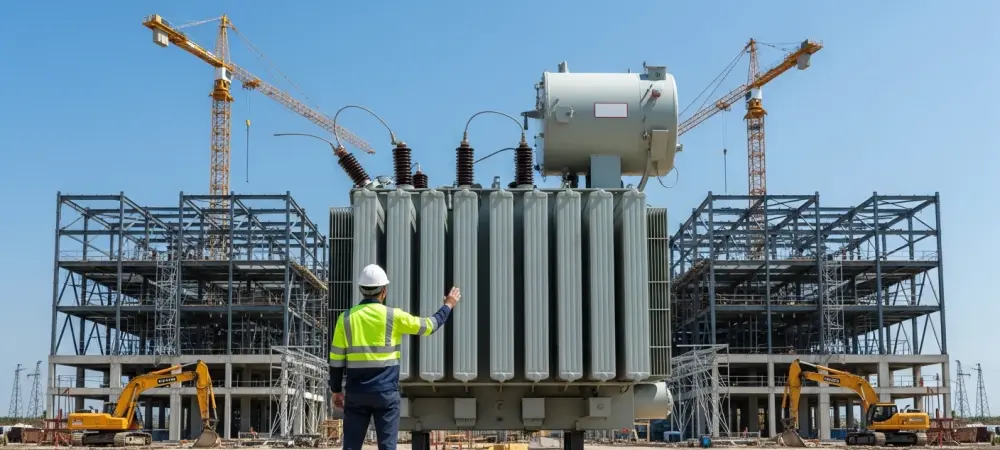
Navigating zoning amendments and environmental permits remains a primary hurdle for the developers. Obtaining these approvals is a complex process requiring cooperation from various local and national authorities. Furthermore, the global supply chain for high-capacity transformers is currently strained, which could impact the construction timeline and the activation of the first phase.
WBS Power must also secure long-term investors capable of providing the massive quantities of specialized technology required. Securing these commitments is essential for moving from the planning phase into active operations. These obstacles underscore the difficulty of executing infrastructure projects that operate on such a massive physical and financial scale.
Summary of the Digital Transformation
The Baltic Data Center Campus represents a pivot toward advanced digital capacity in Eastern Europe. By leveraging major power nodes, the project addresses a critical gap in the regional market for high-density computing. This blend of energy sources provides a pragmatic path for large-scale operations, ensuring the region remains a catalyst for technological modernization.
Final Reflections on the Infrastructure Shift
Stakeholders recognized that the integration of massive data centers required a balance between industrial growth and ecological responsibility. As the project moved forward, the emphasis on closed-loop systems offered a blueprint for future developments. Decision-makers turned toward stabilizing the supply chain for electrical components to prevent further delays. Future planners considered how similar hubs could benefit from faster integration of offshore wind power to increase the renewable share. This initiative ultimately prompted a wider discussion on how the region maintained its competitive edge in the global economy.