

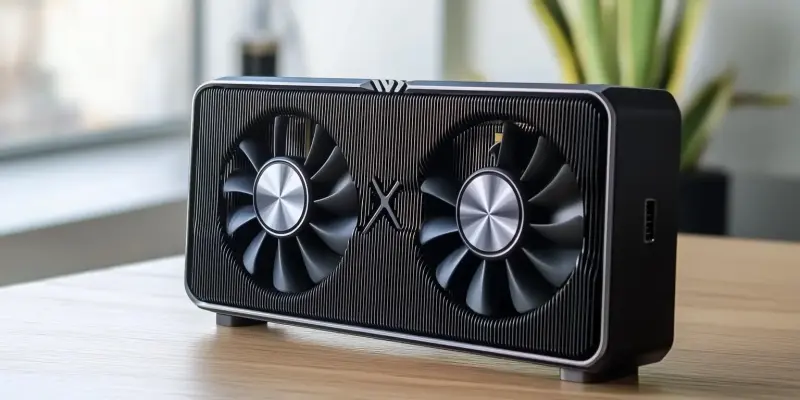
As gamers and tech enthusiasts eagerly await the release of Nvidia’s next-generation GPUs, the RTX 5090 and 5080, the excitement is tempered by growing concerns about potential stock shortages and steep pricing. Recent speculations and reports have painted a somewhat uncertain picture about the launch and availability of these much-anticipated graphics cards, raising questions about whether consumers will be able to get their hands on them easily and at reasonable prices. Amidst these discussions, a notable mention is given to Nvidia’s possible delays and communication issues with its partners, suggesting that the rollout might not be as smooth as hoped.
Speculations and Potential Issues
One key source of speculation comes from Chinese tech site Benchlife, which has been echoed by other outlets such as Wccftech and UDN. According to these reports, one of the primary issues is that Nvidia might be facing communication challenges with its add-in card (AIC) partners. These partners are crucial in the distribution and availability of the GPUs, and any miscommunication could potentially lead to delays and limited stocks. Additionally, the timing of the release around the Chinese New Year could also pose significant challenges. Manufacturing processes may slow down due to factory shutdowns and holidays, impacting the initial supply of the new GPUs.
Despite these challenges, recovery is anticipated by February, and many are hopeful that the manufacturing delay will be short-lived. However, another major concern arises from the possible delay of the RTX 5070 model. While Benchlife reports suggest that the RTX 5070 Ti might debut in mid-to-late February, Nvidia has yet to confirm specific release dates for these models. The potential delay of the RTX 5070 until early March, which contradicts Nvidia’s previous assurance of a February launch, introduces the worry of a ‘paper launch’—where products are announced but with very limited availability.
Pricing Concerns
In addition to potential supply issues, pricing for Nvidia’s next-gen GPUs is another significant concern. Sources, particularly from Asia, suggest that the Blackwell GPUs might enter the market at exceedingly high prices. Initial costs could potentially be double the Manufacturer’s Suggested Retail Price (MSRP), which would be a considerable hike for consumers. While these high prices may be more reflective of the Asian market and not necessarily indicative of a global trend, the prospect of such an increase is troubling for potential buyers. If the early pricing rumors hold true, this could set a challenging precedent for affordability and access to these next-gen GPUs.
Moreover, industry insiders speculate that AMD might delay the release of its RX 9070 models until March, possibly influenced by Intel’s strategy and Nvidia’s supply issues. This suggests that AMD might not feel the pressure to rush their products to market if a key competitor is grappling with supply chain challenges. On the pricing front, AMD also faces its hurdles, as it must balance the cost-effectiveness and competitive pricing for its RX 9070 in light of Nvidia’s potential pricing strategy.
Market Dynamics and Consumer Expectations
As gamers and tech enthusiasts eagerly await the release of Nvidia’s next-generation GPUs, the RTX 5090 and 5080, excitement is balanced by growing concerns about potential stock shortages and high prices. Recent speculations and reports have created a somewhat uncertain picture regarding the launch and availability of these much-anticipated graphics cards. This uncertainty has raised questions about whether consumers will be able to purchase them easily and at reasonable prices.
Adding to these concerns are mentions of possible delays and communication issues between Nvidia and its partners. Such issues suggest that the rollout might not be as smooth as initially hoped. Enthusiasts are apprehensive about the potential difficulty in securing these new GPUs, fearing that limited stock and high demand could lead to a repeat of previous supply shortages. The high anticipation for the RTX 5090 and 5080 is paired with a wary eye on how Nvidia will manage its distribution and if it can meet consumer expectations both in terms of availability and affordability.