

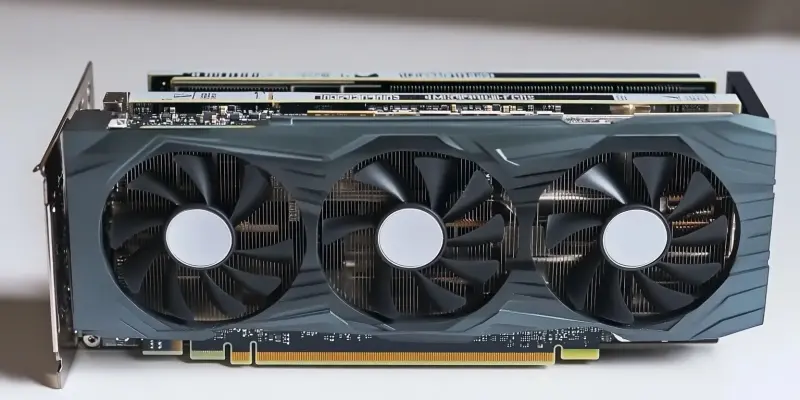
In the mid-1990s, the 3dfx Voodoo video cards were at the forefront of 3D acceleration technology, providing unparalleled gaming experiences. Competing fiercely with NVIDIA and ATI (now AMD), 3dfx stood out by specializing exclusively in 3D rendering while relying on separate cards for 2D functions. The groundbreaking Voodoo2 revolutionized the gaming landscape with advanced features like a second texturing unit and SLI (scan-line interleave) technology, enabling an unprecedented capacity to link two video cards for enhanced processing power. Despite their dominance, financial issues eventually led 3dfx to sell its assets to NVIDIA in 2000, leaving fans with cherished memories and a legacy of innovation.
The Rise and Fall of 3dfx
3dfx’s Early Dominance in 3D Rendering
During the mid-1990s, 3dfx carved a niche for itself by focusing on 3D rendering, a strategy that paid off with remarkable success. The Voodoo cards, especially the Voodoo2, demonstrated superior 3D performance, overshadowing competitors in significant ways. The Voodoo2 introduced a dual-texturing unit alongside SLI technology, facilitating seamless frame rates and allowing gamers the ability to link two video cards, effectively doubling the processing power available. These technological advances set 3dfx apart from NVIDIA and ATI during an era where 3D gaming was rapidly gaining traction. However, 16-bit color rendering and limited resolution capabilities signaled the potential constraints that loomed on the horizon.
Financial Struggles and Acquisition by NVIDIA
Despite their initial successes and innovative features, 3dfx encountered insurmountable financial difficulties as the technology landscape evolved. The escalating costs of research and development, coupled with stiff competition from NVIDIA and ATI, contributed to their financial decline. By the year 2000, 3dfx’s financial trouble had reached a climax, leading to the acquisition of its assets by NVIDIA. This move marked the end of 3dfx as an independent company, leaving enthusiasts to ponder what could have been. The dissolution of 3dfx paved the way for NVIDIA and ATI to dominate the market, transforming the competitive landscape as technology continued to evolve.
The Legacy of 3dfx and Ongoing Fan Interest
Enthusiast Projects Keeping Voodoo Alive
Following the company’s closure, devoted fans of the 3dfx brand have taken upon themselves the task of keeping the legacy alive through various projects and updates. One notable initiative is the VoodooX Project, launched in October 2022 by Oscar Barea, an ardent 3dfx aficionado. Barea’s goal was to modernize classic Voodoo cards, particularly focusing on the 3dfx VSA-100 GPU. Sourcing new VSA100 chips from eBay and retrofitting cards with 32 MB of RAM, expandable to 64 MB, he aimed to enhance these vintage cards to meet contemporary demands. Despite challenges with finding working donor boards, Barea’s dedication has led to significant progress, including the addition of modern features like DVI ports and optimized PCB designs.
Bridging Vintage Hardware with Modern Gaming
Barea’s efforts have not only honored the 3dfx legacy but bridged a gap between vintage hardware and the demands of modern gaming. By incorporating contemporary elements, such as improved performance metrics and compatibility with modern monitors, the VoodooX Project signifies a harmonious blend of old and new. Yet, the journey has not been without its setbacks. Balancing personal commitments—such as home remodeling—has slowed down the project’s progress. Nonetheless, the strides made so far exemplify the passion that 3dfx continues to inspire among its followers. These updates resonate with both nostalgic gamers who remember 3dfx’s golden era and younger enthusiasts intrigued by retro technology.
The Future of 3dfx-Inspired Innovations
Personal Dedication and Community Impact
Oscar Barea’s personal dedication to the VoodooX Project underscores a broader community impact, highlighting how individual efforts can lead to significant advancements in preserving technological history. His project’s goal of rejuvenating 3dfx Voodoo cards by integrating modern updates is a testament to how determination and creativity can revitalize seemingly obsolete technology. Through online forums and social media.
Continuing the Legacy Through Modernization
Efforts like the VoodooX Project ensure that 3dfx Voodoo’s legacy continues within the gaming community. This fusion of old and new technologies demonstrates that vintage components still hold value and can be adapted to meet contemporary gaming requirements. Initiatives spearheaded by dedicated individuals within the tech community not only keep the memory of 3dfx alive but also showcase the enduring impact these pioneering innovations have had on the industry. While NVIDIA may not have plans to resurrect the 3dfx brand, the ongoing enthusiasm and modern adaptations of these classic cards serve as a powerful tribute to the original visionaries of 3dfx.
Conclusion
In the mid-1990s, the 3dfx Voodoo video cards led the way in 3D acceleration technology, offering gamers a level of experience that was unmatched at the time. Competing fiercely with giants like NVIDIA and ATI (now known as AMD), 3dfx distinguished itself by focusing solely on 3D rendering capabilities and relying on separate cards for 2D functions. The innovative Voodoo2 card particularly revolutionized the gaming world with its advanced features, including a second texturing unit and the introduction of SLI (scan-line interleave) technology, which allowed two video cards to be linked together for boosted processing power. This groundbreaking technology significantly enhanced gaming performance, setting a new standard. Despite their superior gaming solutions, financial struggles eventually forced 3dfx to sell its assets to NVIDIA in 2000. While 3dfx is no longer, its legacy of innovation and the memories it created for gaming fans remain influential in the gaming industry today.