

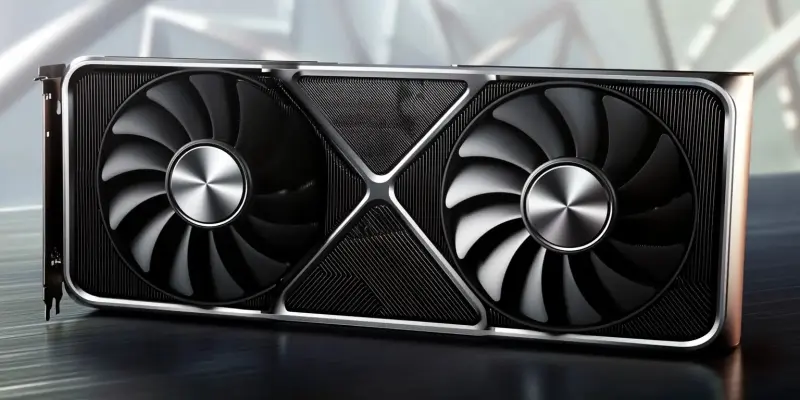
In recent years, Nvidia has faced significant setbacks with its RTX 4090 graphics cards, particularly related to the power connectors overheating and potentially melting. This persistent problem has prompted Nvidia to take critical steps in redesigning their connectors for the upcoming RTX 5090 GPU model. As the tech community eagerly anticipates its release, Nvidia assures that the changes, such as the new 12V-2×6 connector, will resolve previous issues and enhance overall hardware reliability. However, doubts remain among users, triggered by fresh reports of continuing problems with the RTX 4090 even after revisions were made.
Addressing the RTX 4090’s Power Connector Problems
Technical Challenges and User Concerns
The primary issue with the RTX 4090’s power connectors stemmed from instances where the 16-pin connections were not properly seated, leading to overheating and sometimes resulting in the melting of these connectors. Nvidia attributed these failures primarily to user error, suggesting that improper installation was the key factor. Nonetheless, given the frequency and severity of the reports, it became clear that a more robust solution was needed. The risk of damage and the potential hazards arising from these failures made it imperative for Nvidia to rethink its design approach and ensure that such problems would not recur with the RTX 5090.
In response to these challenges, Nvidia has developed a revised power connector, the 12V-2×6, specifically designed to mitigate the risks associated with a poorly seated connection. The new connector features shorter sense pins that can trigger a shutdown if not correctly connected, which should greatly reduce the likelihood of overheating. This change aims to provide a more foolproof solution, addressing both design flaws and user-related errors. Despite Nvidia’s confidence in these adjustments, reactions in the tech community have been mixed, with some remaining skeptical about the efficacy of these changes.
Persistent Problems and User Paranoia
Despite Nvidia’s efforts to resolve these issues with design changes, reports have continued to surface about RTX 4090 units experiencing the same overheating and melting problems. As recently as January 2025, a repair shop in California, NorthridgeFix, has received RTX 4090 units with melted connectors, highlighting that the issue persists. This ongoing problem has created a sense of paranoia among users, especially as the new RTX 5090 is set to consume even more power at 575W compared to the RTX 4090’s 450W. Users are understandably wary of potential overheating with the increased power requirements of the newer model.
Nvidia’s translation from Korean expressed that they do not “expect” such issues to persist with the RTX 5090, indicating a level of confidence in their redesign. However, given the track record of the RTX 4090, where even post-revision units continued to face issues, such assurances have been met with a degree of skepticism. The enduring reports suggest that while the redesigned connector is a step in the right direction, complete eradication of the problem remains to be seen. Real-world performance and user experiences will ultimately be the true test of whether the RTX 5090’s connectors can hold up under the increased power demand.
Moving Forward with the RTX 5090
Nvidia’s Proactive Measures
Nvidia has made it clear that they have taken the ongoing power connector issues seriously, putting significant effort into redesigning for improved safety and reliability with the RTX 5090. By developing the 12V-2×6 connector with built-in safety features, Nvidia aims to alleviate user concerns and prevent the recurrence of past failures. Additionally, thorough testing and validation processes have been implemented to ensure that the new connectors perform as expected under various conditions. This dedication to problem-solving showcases Nvidia’s commitment to advancing technology while prioritizing user safety.
Despite these proactive steps, Nvidia acknowledges that continuous improvement is necessary to keep up with the evolving demands of high-power GPUs. The RTX 5090 is poised to offer groundbreaking performance, and ensuring that the power connectors are up to the challenge is critical. The industry and consumers alike will be watching closely to see if Nvidia can deliver on its promises, fostering renewed confidence in their products. Nvidia’s approach serves as a reminder that even as technology progresses, foundational safety and design considerations must not be overlooked.
Balancing Optimism and Skepticism
In recent years, Nvidia has faced notable setbacks with its RTX 4090 graphics cards, especially due to the power connectors overheating and possibly melting. This recurring issue has urged Nvidia to undertake essential steps to redesign these connectors for the forthcoming RTX 5090 GPU model. As the tech world eagerly awaits its release, Nvidia promises that the modifications, including the introduction of the new 12V-2×6 connector, will address the previous problems and improve the overall reliability of the hardware. However, despite these assurances, doubts linger among users, fueled by recent reports indicating that the RTX 4090 continues to experience problems even after the revisions were implemented. Nvidia’s commitment to overcoming these challenges is clear, but the skeptical response from the user community highlights the uncertainty that remains. The tech giant faces the daunting task of regaining the trust of its user base while ensuring the new RTX 5090 meets the high expectations and standards set by both the company and its enthusiasts.