

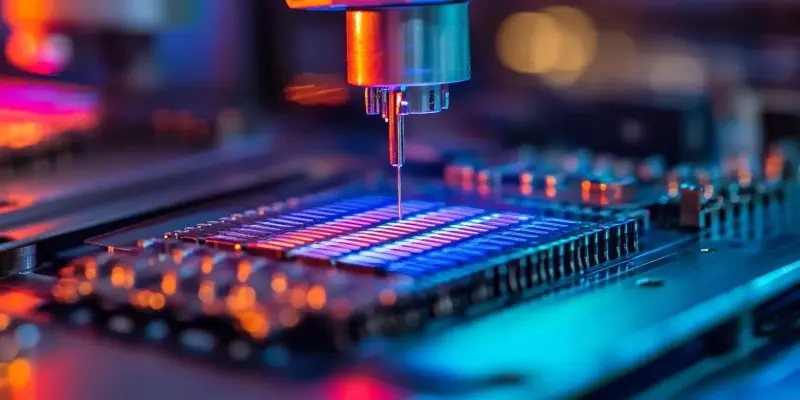
In an era where technology continues to break new ground daily, the semiconductor industry is witnessing a revolutionary step forward. Taiwan Semiconductor Manufacturing Company (TSMC) is poised to begin mass production of its cutting-edge 2 nm semiconductors. These wafers, manufactured using the advanced N2 node process, are set to become the cornerstone of numerous technological innovations slated for 2026. Starting from late this year, TSMC plans on producing around 50,000 wafers weekly by the end of next year at their Kaohsiung plant. The initial rollout includes the highly anticipated iPhone 18 Pro, which will house the first-ever 2 nm A20 chip. With its significant advances in processing power and efficiency, the new chip is expected to transform the consumer electronics landscape, promising unprecedented performance levels in mobile computing.
TSMC’s Breakthrough and Industry Adoption
TSMC’s progress toward producing 2 nm chips has been highly anticipated by the tech industry, where the thirst for more powerful and efficient semiconductors remains unquenchable. Among the early adopters positioned to leverage this milestone are industry titans such as Apple, Intel, AMD, Broadcom, and Amazon AWS. Apple, leading the way, will integrate the 2 nm technology into its iPhone 18 Pro, after having pioneered the adoption of TSMC’s 3 nm process in earlier models. Apple’s strategic move signals the immense performance benefits and energy efficiency gains these new chips are poised to deliver.
However, Apple is not alone in racing to incorporate the advanced 2 nm technology. Intel is also stepping into the fray with its 18A node, scheduled for release within the same timeframe. This node underscores the competitiveness of the semiconductor market, featuring innovations like gate-all-around (GAA) architecture and backside power delivery, which TSMC plans to introduce in subsequent iterations, specifically with its A16 node. This competitive dynamic suggests that industry players are in a relentless pursuit of technological advancements that promise to push the boundaries of what modern devices can achieve.
The Challenges and Implications of Advanced Manufacturing
TSMC’s commitment to advancing semiconductor technology comes with significant challenges, particularly regarding cost. The reported pricing of these 2 nm wafers at approximately $30,000 stands in stark contrast to the $18,000 cost for 3 nm wafers. This considerable increase in production costs reflects the complexities and innovations embedded within the new manufacturing processes. Consequently, this rise is likely to be passed on to consumers, resulting in higher prices for next-generation devices. These costs highlight an industry trend where developing increasingly intricate and powerful semiconductors comes with substantial financial implications.
Yet, the higher costs also underscore the transformative potential these technologies hold. Enhanced power efficiency and processing capabilities promise significant strides in various applications, from consumer electronics to enterprise-level solutions. As a result, companies are willing to invest substantially in adopting these advancements, driven by the desire to deliver products with superior performance and energy efficiency. This trend spearheaded by TSMC reflects broader industry efforts to stay at the forefront of semiconductor innovation, which is critical for maintaining competitive advantages and driving technological growth.
Future Outlook and Technological Impact
TSMC’s progress toward producing 2 nm chips has been eagerly awaited by the tech industry, where the demand for more powerful and efficient semiconductors is insatiable. Key players such as Apple, Intel, AMD, Broadcom, and Amazon AWS are positioned to take full advantage of this new technology. Apple is leading the charge, planning to integrate the 2 nm technology into its iPhone 18 Pro. Apple had earlier pioneered TSMC’s 3 nm process in its previous models, underlining the expected performance and energy efficiency benefits of the 2 nm chips.
But Apple is not alone in the race. Intel is also entering the battlefield with its 18A node, set to be released around the same time. The 18A node highlights the competitive nature of the semiconductor market, boasting innovations like gate-all-around (GAA) architecture and backside power delivery—features that TSMC aims to introduce in future iterations, specifically with its A16 node. This intense competition indicates that industry leaders are relentlessly pursuing technological advancements to push the boundaries of modern device capabilities.