

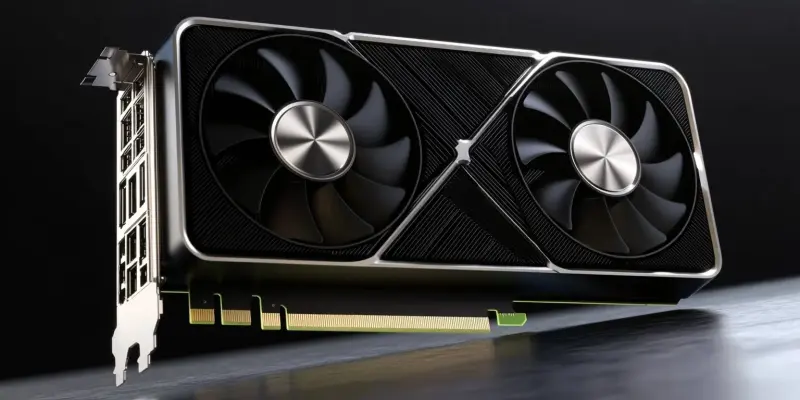
Nvidia is reportedly considering a significant shift in its manufacturing strategy, which may involve partnering with Intel for the production of its future gaming GPUs, according to a new analyst report. If Nvidia moves forward with this plan, it would mark a substantial win for Intel’s foundry business, which has long aimed to capture market share from established leaders such as TSMC. The report, provided by analyst Timothy Arcuri from UBS, indicates that Nvidia may utilize Intel’s advanced 1.8nm-class transistor technology, known as the 18A process node, as well as its more power-efficient variant, the 18AP.
A Potential Game-Changer for Intel
Securing Nvidia as a client would represent a remarkable endorsement of Intel’s capabilities and could potentially shift the dynamics of the semiconductor industry. In recent years, Intel has faced significant challenges in competing with TSMC’s leading-edge technologies, making it imperative for Intel to innovate and attract substantial clients. The recent appointment of Lip-Bu Tan, the former CEO of Cadence Design Systems, as Intel’s new CEO is indicative of the company’s strategic shift towards focusing on chip design and landing significant customers. An Nvidia partnership could lead to the tech giant moving part of its production away from TSMC and Samsung, disrupting the status quo.
Central to Intel’s strategy is its development of advanced packaging technologies, such as the Embedded Multi-die Interconnect Bridge (EMIB). This technology is designed to rival TSMC’s Chip on Wafer on Substrate (CoWoS) solutions, which are critical for creating more efficient and powerful semiconductor devices. Additionally, Intel is exploring various collaborative routes, including a significant potential partnership with Taiwan’s United Microelectronics Corporation (UMC). This collaboration could facilitate the co-manufacturing of Apple’s chips on Intel’s high-voltage FinFET nodes, further cementing Intel’s position in the market.
Intel’s Progress and Strategic Moves
While the possibility of Nvidia shifting part of its GPU production to Intel remains speculative, the forthcoming updates from Intel are highly anticipated. Analyst Arcuri hints at concrete updates on Intel’s foundry progress during the company’s Direct Connect event, scheduled for April 29. These expectations reflect broader efforts by Intel to rejuvenate its foundry division and reclaim its competitive standing within the semiconductor market. Should Nvidia’s partial migration to Intel materialize, it would encapsulate notable changes in client allegiances, assertive leadership strategies, and anticipated technological advancements.
Intel’s concerted efforts to regain footing in the foundry sector showcase its commitment to innovation and competitiveness. By leveraging the expertise of its new leadership and exploring cutting-edge manufacturing partnerships, Intel aims to offer an attractive alternative to TSMC’s dominant market presence. Furthermore, Intel’s ambitious objectives align with broader industry trends, including increased attention to power efficiency and the need for advanced semiconductor solutions to meet growing market demands.
Future Considerations and Industry Impacts
Nvidia may soon make a significant shift in its manufacturing strategy by potentially teaming up with Intel for the production of its future gaming GPUs. This information comes from a new analyst report that suggests such a partnership would represent a major win for Intel’s foundry business, a sector that has long been trying to gain ground against major players like TSMC. According to UBS analyst Timothy Arcuri, Nvidia is considering using Intel’s cutting-edge 1.8nm-class transistor technology, referred to as the 18A process node, as well as its more energy-efficient version, the 18AP. This strategic move could help Nvidia stay competitive in the rapidly evolving GPU market, while significantly boosting Intel’s ambitions to expand its foundry services. If this collaboration happens, it may reshape the dynamics of the semiconductor industry, giving Intel a stronger foothold and allowing Nvidia to leverage advanced manufacturing technologies.