

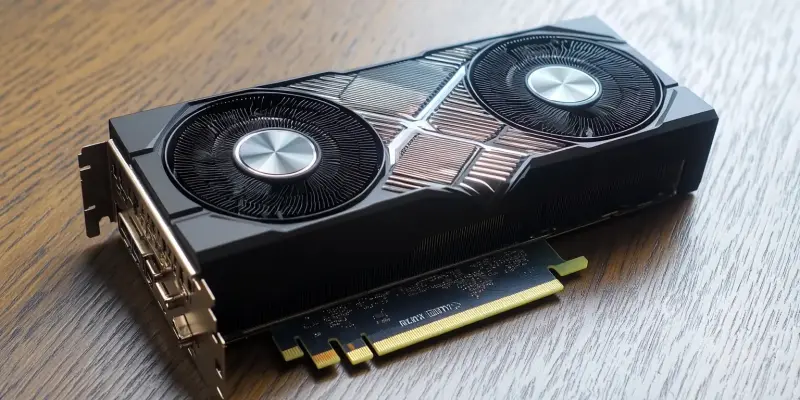
As the demand for Nvidia’s RTX 4090 graphics cards continues to soar, the market has seen an unfortunate surge in counterfeit versions, putting unsuspecting buyers at risk. These expertly disguised fakes are fooling even the most vigilant tech enthusiasts. A recent example exposed on the Chinese platform Bilibili revealed a Palit RTX 4090 that was, in reality, an older RTX 3090 cloaked in a new disguise. This fraudulent card housed a GA102 GPU from the RTX 3090 series instead of the authentic AD102 found in genuine RTX 4090 cards, highlighting the lengths to which scammers will go to exploit consumers.
Recognizing Counterfeit RTX 4090 Cards
Detection of these counterfeit cards is not straightforward, as the quality of the forgeries has improved drastically over time. In the example revealed on Bilibili, several critical clues indicated that the product was not genuine. A suspiciously low purchase price of $530 should have been the first red flag for potential buyers since genuine RTX 4090 cards are priced significantly higher. Moreover, discrepancies in the card’s internal components provided further evidence. One of the capacitors was incorrectly positioned, and the MLCC layout was characteristic of an RTX 3090 rather than a genuine RTX 4090.
Another telltale sign of the counterfeit card was the inability of Nvidia’s official drivers to recognize or operate it. This issue is common among fake graphics cards since often, the internal specifications do not match what the software expects to find. These details underscore the importance of thorough inspection and verification, particularly when purchasing high-demand and high-value items like the RTX 4090.
Vigilance and Preventative Measures
Shoppers must remain vigilant and informed to avoid falling victim to these sophisticated scams. Attention to price is one of the primary ways to spot a potential counterfeit. Genuine high-demand graphics cards like the RTX 4090 will rarely sell at suspiciously low prices. Therefore, if a deal seems too good to be true, it probably is. It’s also advisable to purchase from reputable retailers and verified sources, which significantly reduce the risk of ending up with a counterfeit product.
Inspection of the physical product before purchase, if possible, can also be a safeguard against fraud. Detailed analysis and comparison of the card’s internal components with those of a known genuine card might reveal inconsistencies. Potential buyers should be especially wary of deviations in the MLCC layout and capacitor positioning, as these are clear indicators of a fake.
Despite the impressive exterior craftsmanship of these counterfeit cards, which makes detection difficult without expert knowledge or a detailed inspection, there are ways to protect oneself. Knowledge of previous scams, where fake RTX 4090 cards were sold without GPUs or memory chips, or contained compromised components, can also serve as valuable lessons. Keeping abreast of known issues and familiarizing with common counterfeit tactics can significantly aid in identifying the fakes.
Staying Ahead of Scammers
As Nvidia’s RTX 4090 graphics cards experience an ever-increasing demand, the unfortunate consequence has been a rise in counterfeit versions flooding the market, endangering unsuspecting buyers. These counterfeit cards are so meticulously crafted that they can deceive even the most attentive tech enthusiasts. For instance, a recent case unveiled on the Chinese platform Bilibili showed what seemed to be a Palit RTX 4090; however, it was actually an older RTX 3090 masquerading as the newer model. This fraudulent graphics card contained a GA102 GPU, which is from the RTX 3090 series, instead of the genuine AD102 GPU found in real RTX 4090 cards. This starkly illustrates the lengths to which scammers will go to deceive consumers and exploit the booming demand. The proliferation of such expertly disguised fakes underscores the need for prospective buyers to exercise extreme caution and thoroughly verify the authenticity of their purchases to avoid falling victim to these scams.