

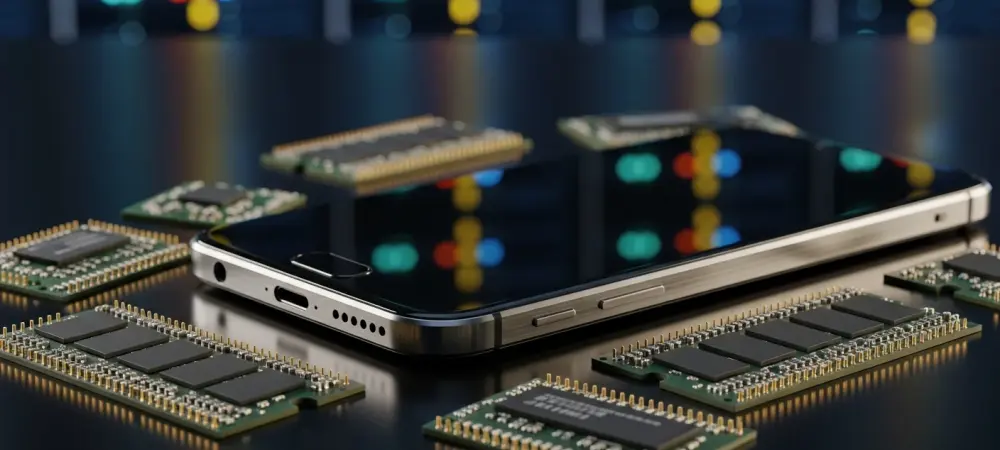
The global semiconductor market currently faces a tumultuous period where the insatiable demand for generative artificial intelligence has sent the cost of critical memory components like DRAM and NAND flash memory into a steep upward trajectory. While most manufacturers pass these expenses to consumers, Apple prepares to defy economic gravity by keeping flagship prices steady. This shift signals a transformation in how premium devices are valued, moving away from simple hardware margins toward ecosystem longevity. As AI drives a global shortage of critical components, pricing strategies have become the ultimate battleground for market share. This analysis examines the rising costs of mobile hardware, Apple’s move to absorb inflation for the iPhone 18 Pro, and the resulting competitive pressure on the Android ecosystem.
The Shifting Economics of High-End Hardware
Global Market Trends and Component Inflation
Recent data indicates a sharp rise in the cost of DRAM and NAND flash memory, fueled by the massive requirements of the generative AI boom. While inflation pressures manufacturers to raise retail prices, consumer demand for ultra-premium devices remains resilient. Statistics from the iPhone 17 series in India highlight how regional price hikes became a necessary tool for many brands to maintain profit margins.
Strategic Implementation in the Flagship Segment
Apple’s aggressive pricing model for the upcoming iPhone 18 Pro aims to keep MSRPs stable despite rising manufacturing costs. Samsung and Google navigate the same shortages, with many Android brands forced to choose between price hikes or reduced hardware specs. Securing large-scale component inventories in advance allowed market leaders to bypass immediate volatility while competitors struggled to adjust to the shifting environment.
Perspectives from Industry Analysts and Market Leaders
Market analyst Jeff Pu suggests that maintaining pricing is a calculated move to narrow the gap between iOS and premium Android alternatives. This strategy prioritizes ecosystem locking over per-unit profit, leveraging financial reserves to outmaneuver smaller competitors. Experts argue that the ability to absorb inflation is becoming a primary competitive advantage, creating a pricing moat that high-cost competitors cannot cross without sacrificing market share.
Future Implications for the Premium Smartphone Landscape
The narrowing price gap between iPhones and flagship Android devices could lead to a shift in global market share, squeezing mid-tier premium brands. Hardware may become a loss leader for high-margin software and AI services. Challenges include long-term sustainability if chip shortages persist or logistics costs spike. This suggests a survival of the fittest scenario where only companies with immense supply chain leverage remain competitive.
Conclusion: A New Era of Pricing Competition
Apple’s iPhone 18 Pro strategy represented a pivot from traditional margin-chasing to aggressive market expansion. This shift highlighted how supply chain dominance dictated which brands remained accessible. Manufacturers looked toward diversifying revenue streams through services to offset hardware costs. The strategic focus moved toward long-term user retention, as stable pricing became a more powerful tool than any technical specification.