

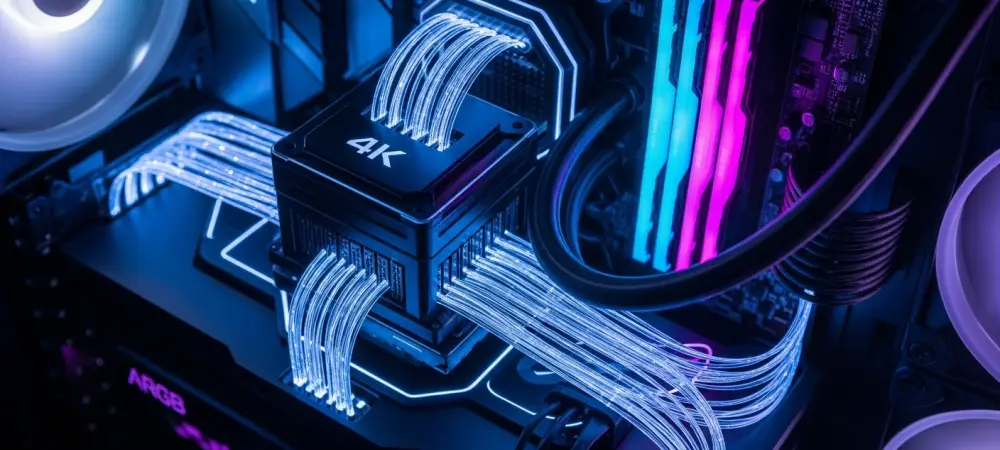
PC enthusiasts waiting for the perfect moment to overhaul their gaming rigs have finally found a compelling reason to pull the trigger as the holiday weekend brings unprecedented discounts. The PNY GeForce RTX 5070 Ti Epic-X ARGB has reached a historic low price during the current Memorial Day sales, marking a pivotal moment for the mid-to-high-tier GPU market. This reduction is not merely a seasonal fluctuation but signifies a broader shift in accessibility for NVIDIA’s sophisticated Blackwell lineup. For many builders, the high entry cost of the latest generation was a significant barrier, but this recent price adjustment changes the calculation for those eyeing 4K gaming or heavy creative workloads. By bringing this level of performance into a more affordable bracket, the sale effectively democratizes high-end computing power. This specific PNY model combines aggressive aesthetics with substantial technical specs, making it a centerpiece for modern PC builds that demand both style and raw horsepower.
Architectural Advancements: Hardware and Memory Standards
At the core of this hardware milestone lies the NVIDIA Blackwell architecture, which has redefined energy efficiency and computational throughput since its recent introduction. The PNY variant leverages this foundation to deliver a remarkable balance of speed and stability, primarily through its 16GB of GDDR7 memory. Utilizing a 256-bit interface, the card provides the necessary bandwidth to handle massive texture pools and complex shaders without the stuttering associated with older memory standards. This architectural leap allows the RTX 5070 Ti to outperform previous flagship models while consuming less power, which is a critical consideration for users looking to manage thermal output and electricity costs. The integration of high-speed memory ensures that the GPU remains relevant as game developers continue to push the boundaries of asset density and environmental detail. These refinements provide a substantial boost in instructions per clock, ensuring that every cycle is utilized to its maximum potential. Future-proofing remains a primary concern for any significant hardware investment, and the inclusion of PCIe 5.0 and DisplayPort 2.1 on the RTX 5070 Ti addresses these needs directly. These connectivity standards allow for significantly higher data transfer rates between the GPU and the rest of the system, minimizing potential bottlenecks in high-bandwidth scenarios. Specifically, the DisplayPort 2.1 support is a major advantage for enthusiasts planning to adopt ultra-high-refresh-rate 8K monitors or specialized VR headsets that require extreme resolution output. While these peripherals are still maturing in the market, having a card ready to support them ensures that a system upgrade today will not become obsolete tomorrow. Furthermore, the transition to the PCIe 5.0 standard ensures compatibility with the latest generation of motherboards, allowing for a more streamlined and responsive user experience during data-intensive tasks. This hardware synergy creates a stable foundation for any enthusiast setup.
Intelligent Enhancement: Thermal Design and Software Integration
Modern graphical fidelity relies heavily on artificial intelligence, and the RTX 5070 Ti excels in this area through its fifth-generation Tensor cores and fourth-generation RT cores. These components drive the DLSS 4 and 4.5 ecosystem, which uses advanced frame generation and reconstruction techniques to enhance performance without sacrificing visual quality. In many titles, this technology allows the card to maintain triple-digit frame rates at 4K resolution, effectively doubling the perceived performance compared to native rendering. The AI software suite also includes improvements in ray-tracing efficiency, allowing for more realistic lighting, shadows, and reflections in real-time. This sophisticated integration of hardware and software means that the GPU does not have to rely solely on raw power to achieve high performance. By offloading complex calculations to specialized AI cores, the system can deliver a smoother experience in the most demanding titles, ensuring that gameplay remains fluid and immersive. Managing the heat generated by such high-performance components is essential for maintaining longevity, and PNY has implemented a robust thermal solution with its Epic-X cooling system. The 2.98-slot design utilizes a massive triple-fan array to ensure that air moves efficiently across the heatsink, even during the most strenuous gaming sessions or rendering tasks. This thermal headroom allows the GPU to sustain its boost clock of 2452 MHz for extended periods, preventing the thermal throttling that often plagues smaller or less efficient designs. The fans are engineered to operate quietly, providing a high level of performance without the intrusive noise that can detract from the user experience. Additionally, the ARGB lighting elements are integrated into the shroud in a way that highlights the industrial design without compromising air intake. This focus on cooling engineering ensures that the card operates within optimal temperature ranges, protecting the internal components while delivering consistent performance across all applications.
Competitive Analysis: Market Positioning and Alternatives
Positioning within the NVIDIA product stack is a crucial factor for consumers, and the RTX 5070 Ti effectively fills the gap between the mid-range and the high-end flagships. While the RTX 5080 remains the performance leader for those with unrestricted budgets, the 5070 Ti offers a nearly identical 16GB of GDDR7 memory, providing similar capabilities in memory-intensive workloads for a significantly lower price. This makes it an ideal choice for users who require high VRAM for AI model training, video editing, or high-resolution texture mods but do not necessarily need the extra CUDA cores found in the top-tier models. In contrast, the standard 5070 often lacks the memory bandwidth required for smooth 4K experiences, making the Ti variant the logical stepping stone for serious enthusiasts. The current sale price further emphasizes this value proposition, as it brings the cost of the Ti version closer to the entry-level cards while retaining the professional-grade features of the higher-end series.
The competitive landscape in 2026 has become increasingly crowded, with AMD’s RDNA 4 lineup offering a strong challenge to NVIDIA’s market dominance. Cards like the RX 9070 XT provide impressive raw rasterization performance and often come with aggressive pricing strategies that appeal to budget-conscious builders. While AMD has made strides with its own upscaling technologies, the DLSS 4.5 suite on the Blackwell architecture remains the industry standard for image quality and stability. For many users, the choice between these brands often comes down to whether they prioritize pure frame rates in older titles or a more feature-rich experience in modern, ray-traced games. This Memorial Day discount tips the scales for those who have been hesitant to pay the “NVIDIA tax,” providing a rare opportunity to access premium features at a price that rivals the competition.
Practical Implementation: Strategic Considerations for Future Upgrades
Securing the RTX 5070 Ti at its new price point required a careful assessment of existing system configurations and power requirements. Prospective owners needed to verify that their power supply units could handle the transient spikes associated with the Blackwell architecture, typically recommending at least an 850W Gold-rated unit for stable operation. Furthermore, the physical dimensions of the 2.98-slot PNY model necessitated a chassis with sufficient clearance, prompting many builders to measure their internal space before committing to the purchase. Installations often benefited from the use of a GPU support bracket to prevent sag, ensuring that the heavy heatsink did not put undue stress on the motherboard’s PCIe slot. Those who successfully integrated the card into their builds reported immediate improvements in system responsiveness and a noticeable reduction in render times for creative projects. Taking these practical steps allowed users to maximize the potential of their new hardware while ensuring long-term reliability.
Looking toward the evolving landscape of digital entertainment, the shift toward higher VRAM capacities became an essential factor for sustaining performance through 2027 and beyond. The decision to invest in a 16GB card during this sales event provided a safety net against the increasing memory demands of upcoming open-world titles and generative AI applications. As software developers began to utilize more complex asset streaming techniques, the bandwidth offered by GDDR7 proved to be a decisive advantage in preventing micro-stutter and texture pop-in. This purchase represented more than just a momentary upgrade; it established a high baseline for what enthusiasts expected from high-performance computing in a residential setting. Future updates to the DLSS ecosystem promised to extend the life of the Blackwell series even further, suggesting that the value gained during this Memorial Day event would continue to yield dividends as new technologies emerged. Navigating these hardware choices with an eye on upcoming software trends ensured a balanced and powerful setup.