

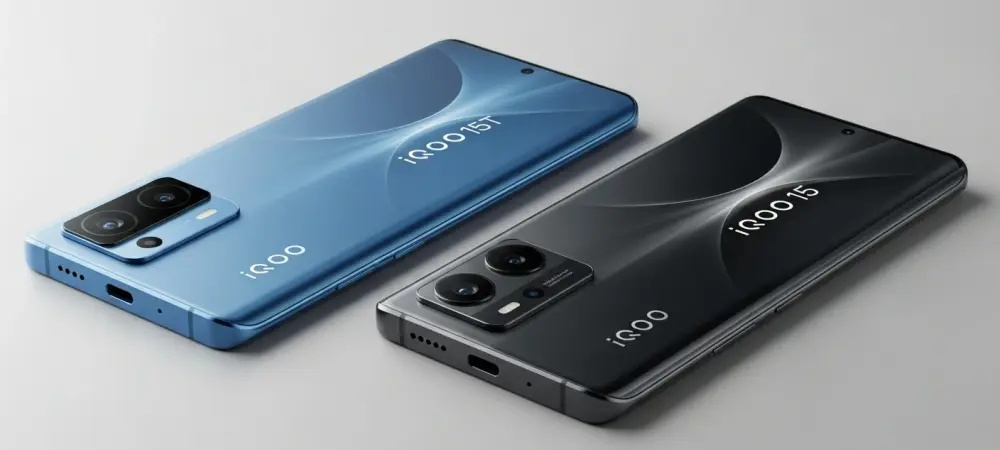
The relentless pace of mobile hardware innovation has officially reached a point where flagship smartphones now rival professional cameras and desktop-class endurance in a single pocketable frame. iQOO has carved out a distinct niche as the performance-driven sub-brand of Vivo, consistently pushing the boundaries of what consumers expect from mobile devices. Within the current lineup, the iQOO 15, iQOO 15T, iQOO 15 Ultra, and iQOO 15R represent a diverse array of choices. The “T” series designation serves as a specific mid-cycle evolution, prioritizing extreme hardware specifications to maintain a competitive edge. By balancing high refresh rates with industry-leading battery technology, these devices challenge the traditional smartphone hierarchy.
Detailed Technical and Performance Comparison
Imaging Capabilities: 200MP Samsung HP5 vs. Triple 50MP Arrays
The most striking divergence between these two models lies in their photographic philosophy. While the iQOO 15 utilizes a versatile triple 50-megapixel sensor array, the iQOO 15T introduces the radical Samsung HP5 200-megapixel sensor. This massive resolution allows for unprecedented cropping capabilities and detail retention that standard arrays cannot match. For photography enthusiasts, this shift represents a move toward specialized high-resolution optics rather than general-purpose versatility.
Silicon Performance: MediaTek Dimensity 9500 vs. Snapdragon 8 Series
Silicon selection marks another pivotal change, with the iQOO 15T transitioning to the MediaTek Dimensity 9500 from the Snapdragon 8 series chipset found in the base iQOO 15. This change impacts raw processing power and how the device manages complex tasks like gaming and multi-window productivity. MediaTek architecture focuses on sustained performance, providing a distinct alternative to the thermal profiles associated with Qualcomm platforms. This choice influenced the overall efficiency and thermal management of each handset during heavy use.
Power and Display: 8,000mAh Battery Threshold and 2K Visuals
Endurance is a primary battlefield, as the 15T pushes battery capacity past the 8,000mAh mark, surpassing the 7,000mAh cell in the iQOO 15. Both handsets share a 100W wired fast charging specification, ensuring that even these massive reservoirs can be replenished with minimal downtime. The visual experience remains premium across both models, featuring a 6.82-inch 2K display with a 144Hz refresh rate. These visuals are housed in a sturdy metal frame, though the 15T leverages the larger battery to provide a significantly longer window of high-performance operation.
Implementation Challenges and User Considerations
Integrating such massive hardware components presented several physical hurdles. An 8,000mAh battery inevitably increased the overall weight and thickness of the device, which deterred users preferring a slim profile. Furthermore, managing the storage and processing demands of a 200MP sensor required sophisticated software optimization to prevent shutter lag. Regional availability also remained a factor, as these “T” models often debuted in the Chinese market before a wider global release became a reality.
Final Assessment and Purchasing Guidance
The choice between these flagships depended on whether a user prioritized balanced versatility or extreme endurance. The iQOO 15T established itself as the superior option for power users who demanded multi-day battery life and ultra-high-resolution imaging. In contrast, the standard iQOO 15 remained a viable choice for those who valued the familiarity of Snapdragon silicon. This comparison highlighted a significant shift toward hyper-specialized hardware that catered to the most demanding segments of the mobile market. Future iterations will likely focus on refining these massive batteries into even more compact forms.