

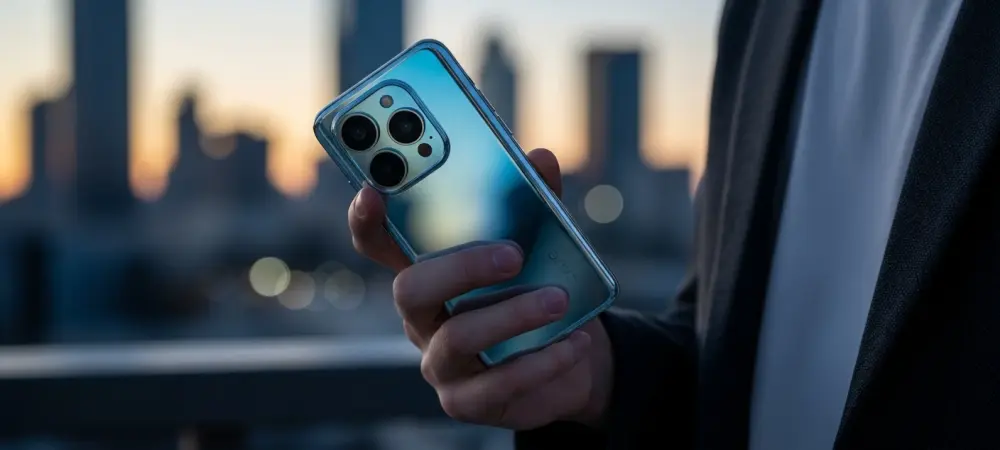
The announcement of the upcoming summer sale starting May 9 represents a significant shift in how high-end mobile technology is distributed across the Indian consumer market. This seasonal event, which grants a twenty-four-hour early access window to platform subscribers, focuses primarily on aggressive price adjustments for Apple’s latest smartphone ecosystem. By leveraging strategic partnerships with major financial institutions, the platform aims to present effective prices that significantly undercut standard retail values. This approach is designed to make the current flagship series, particularly the highly sought-after iPhone 17 range, more accessible to a demographic that traditionally balances premium aspirations with pragmatic financial considerations. Such promotional windows have become vital for e-commerce giants looking to maintain dominance in a highly competitive electronics landscape. The inclusion of tiered discounts ensures that the event appeals to both tech enthusiasts and budget-conscious buyers alike.
Tiered Pricing for the Flagship Ecosystem
At the heart of this promotional campaign lies the iPhone 17 series, which serves as the primary driver for consumer interest during the summer window. The standard model, equipped with 256GB of internal storage, is set to reach a historic low of seventy-one thousand nine hundred ninety-nine rupees, representing a notable departure from its original launch price of eighty-two thousand nine hundred rupees. For professional users and those requiring superior processing capabilities, the high-end Pro and Pro Max variants are receiving even more substantial reductions. Specifically, the Pro model is priced at one lakh nine thousand nine hundred rupees, while the Pro Max stands at one lakh twenty-four thousand nine hundred rupees. This pricing strategy highlights a deliberate move to push premium hardware into the hands of more users by lowering the entry barrier for top-tier performance. Each model caters to a specific niche, ensuring that the flagship experience remains diverse enough to capture a wide array of high-value consumers.
Expanding beyond the core models, the sale also features the specialized iPhone Air and the entry-level iPhone 17e to address specific market demands for aesthetics and affordability. The iPhone Air, recognized for its sleek form factor and lightweight design, is positioned as a lifestyle-centric device with a price tag of ninety-five thousand nine hundred rupees. Meanwhile, the iPhone 17e functions as the most accessible entry point into the current generation, retailing for sixty thousand nine hundred rupees during this limited period. These specialized variants allow the brand to cover a broader price spectrum without diluting the prestige associated with the flagship nameplate. By offering these specific price points, the platform effectively bridges the gap between the mid-range market and the elite segment. This segmented approach ensures that consumers who prioritize design over raw power, or those looking for the latest software support at a lower cost, find a viable option. The variety within the seventeenth generation demonstrates a comprehensive effort to dominate every possible consumer tier.
Strategic Stock Clearance and Market Positioning
While the latest hardware often steals the spotlight, the inclusion of previous-generation devices like the iPhone 16 series suggests a focused effort to clear existing inventory while catering to value-seekers. The standard iPhone 16 is marked down to fifty-eight thousand nine hundred rupees, a price that makes it an incredibly strong competitor against current mid-range offerings from other manufacturers. Similarly, the 16 Plus and the 16e have seen their prices adjusted to seventy-three thousand nine hundred and fifty-five thousand nine hundred rupees, respectively. Even the discontinued iPhone 15 remains a prominent part of the sale inventory at a highly competitive fifty-one thousand nine hundred rupees. This multi-generational availability creates a ladder of upgrades that encourages consumers to trade up from much older models. By maintaining a stock of older but still powerful hardware, the platform ensures that the ecosystem remains vibrant across multiple price brackets. This ensures that even those with strict budget constraints can still participate in the high-end mobile experience.
Decision-makers and tech-focused consumers analyzed these trends as clear indicators of how seasonal sales cycles influenced long-term device adoption rates. Prospective buyers were advised to verify their bank eligibility and credit limits well before the early access window opened to ensure they could secure the best possible effective price. Historical data suggested that high-demand models, particularly the 256GB standard variants and the Pro series, often sold out within hours of the initial launch phase. It was essential to consider the total cost of ownership, including insurance and accessories, rather than focusing solely on the discounted sticker price during the checkout process. Furthermore, evaluating the longevity of software support for older models like the sixteenth and fifteenth generations became a priority for those looking to maximize their investment over a three-year period. Strategizing around these major sales events became the standard method for acquiring luxury electronics without paying full retail premiums.