

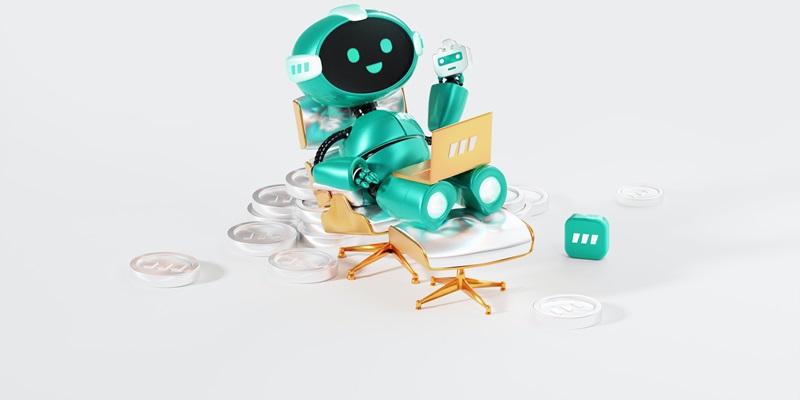
The rise of AI technology in businesses has paved the way for innovative solutions to improve customer service processes. One such solution is the implementation of AI chatbots. These intelligent virtual assistants utilize natural language processing (NLP) technology to understand and respond to user input in a conversational manner. In this article, we will explore the benefits of using AI chatbots in customer service, debunk common misconceptions, and shed light on the potential they hold for transforming customer interactions.
AI Chatbots and Natural Language Processing (NLP)
AI chatbots are not just machines; they are powered by advanced NLP technology. This enables them to comprehend the intent behind customer queries and respond with relevant and meaningful information. By understanding the nuances of language, AI chatbots can engage in natural and human-like conversations, providing an enhanced customer experience.
Improved Efficiency
One of the most significant benefits of using AI chatbots in customer service is improved efficiency. These virtual assistants can handle a large volume of inquiries simultaneously and provide accurate responses quickly. By automating repetitive and straightforward tasks, businesses can free up human agents to focus on more complex and critical customer issues, resulting in an overall improvement in service quality.
Faster Response Times
In today’s fast-paced digital age, customers expect quick responses from businesses. AI chatbots excel at meeting these expectations by providing instant responses. With the ability to process inquiries swiftly and deliver relevant information promptly, chatbots ensure customers receive the assistance they need without any unnecessary delays.
24/7 Availability
The availability of round-the-clock customer support is crucial for businesses. AI chatbots operate 24/7, which means customers can receive support whenever they need it, even outside regular business hours. This accessibility ensures that no customer query goes unanswered, fostering loyalty and satisfaction.
Cost Savings
AI chatbots can handle a high volume of inquiries at a fraction of the cost of hiring and training human agents. By automating customer service processes, businesses can significantly reduce labor costs. Moreover, chatbots do not require breaks, vacations, or sick leave, ensuring continuous support without additional overhead expenses.
A common misconception about AI chatbots is that they lack a personal touch. However, advancements in technology have enabled chatbots to provide personalized customer experiences. By leveraging data and customer profiles, chatbots can tailor responses and recommendations, making interactions feel more human and relevant.
AI Chatbots vs. Human Agents
One of the biggest fears surrounding AI chatbots is that they will completely replace human customer service agents. However, the role of AI chatbots is not to replace humans but to complement their abilities. Chatbots can handle repetitive and standardized tasks, allowing human agents to focus on more complex issues that require empathy and critical thinking.
Impersonal Interactions
Many people believe that talking to a machine can never be as personal or satisfying as speaking to a human being. However, AI chatbot interactions can still be satisfying and personal. With the ability to understand context and preferences, chatbots can provide tailored recommendations, anticipate customer needs, and create engaging experiences.
Implementation Challenges
Many businesses hesitate to implement AI chatbots due to concerns about cost and time. However, the notion that implementing chatbots is expensive and time-consuming is a misconception. With advancements in technology, implementing chatbots has become more accessible, and various ready-to-use platforms and frameworks are available, reducing the time and resources required.
AI chatbots have emerged as powerful tools for improving customer service in businesses. By leveraging NLP, these virtual assistants can efficiently handle customer inquiries, provide quick responses, and offer personalized experiences. They complement human agents rather than replace them, enabling businesses to enhance efficiency, reduce costs, and deliver exceptional service. With the debunking of misconceptions and the realization of the benefits they bring, it is time for businesses to embrace AI chatbots as a transformative solution for superior customer interactions.