

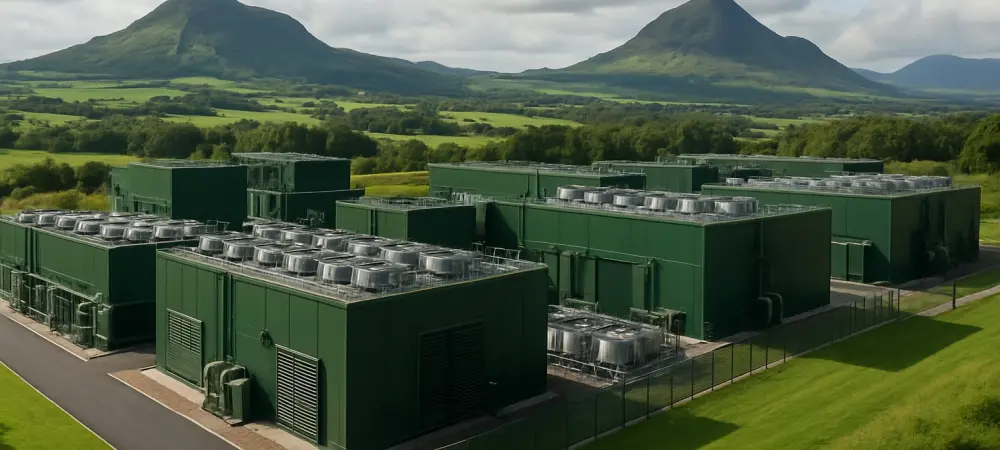
In an era where the demand for digital infrastructure is skyrocketing due to the rise of artificial intelligence and cloud computing, Scotland is positioning itself as a frontrunner with a groundbreaking initiative. A prominent renewable energy and infrastructure developer, ILI Group, has unveiled plans to build a trio of hyperscale data centers across the central belt of the country. Named after ancient Stoic philosophers, these facilities aim to blend philosophical inspiration with cutting-edge technology. Located in Auchtertool, Fife; Hulford, East Ayrshire; and Newarthill, North Lanarkshire, the projects represent a bold step toward meeting global digital needs while prioritizing sustainability. With a staggering combined investment estimated at £15 billion (approximately $19.6 billion), this ambitious endeavor could redefine Scotland’s role in the tech landscape, promising not only technological advancement but also significant economic growth through job creation and regional development.
Pioneering Scale and Strategic Development
The scale of these hyperscale data centers sets them apart as some of the largest planned clusters worldwide, with capacities projected at 600MW in Fife, 540MW in Ayrshire, and 400MW in North Lanarkshire, totaling over 1.5GW. ILI Group has meticulously laid the groundwork by securing grid connections and land rights for each site, ensuring a solid foundation as they move through the planning process. The goal is to achieve a “ready-to-build” status before transferring ownership to a developer, streamlining the transition to construction. If approvals are granted, the initial phase of development could see operations commencing within the next couple of years, delivering 50-100MW per site in the first stage. This strategic foresight addresses the escalating demand for data processing power, driven by advancements in AI and other emerging technologies, while positioning Scotland as a competitive player in the global digital economy with infrastructure designed to handle future growth.
Commitment to Sustainability and Economic Impact
Sustainability remains a core pillar of this initiative, with ILI Group branding these data centers as “green,” though detailed specifics on environmental strategies have yet to be fully disclosed. Given the company’s strong background in clean energy, boasting a portfolio of 4.1GW in energy storage and digital projects, including significant capacities in pumped storage hydro and battery storage, there is a strong likelihood that renewable sources will power these facilities. This aligns with global trends in the tech industry to reduce carbon footprints. Beyond environmental considerations, the economic implications are profound, as highlighted by ILI Group’s CEO, Mark Wilson, who emphasized the potential for job creation and substantial investment in local communities. These developments are seen as a digital backbone for future technologies, laying the groundwork for Scotland to emerge as a hub of innovation, blending historical inspiration with modern solutions to tackle past challenges in sustainable infrastructure.