

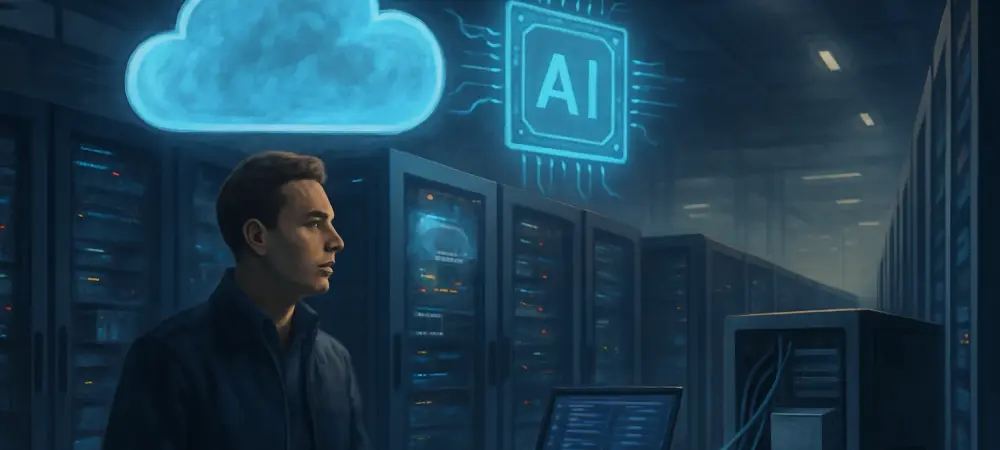
I’m thrilled to sit down with Dominic Jainy, a renowned IT professional whose deep expertise in artificial intelligence, machine learning, and blockchain has positioned him as a thought leader in the tech industry. With a passion for exploring how these cutting-edge technologies transform various sectors, Dominic offers unique insights into the rapidly evolving world of cloud computing and AI infrastructure. In this conversation, we dive into the dynamics of massive investments in neocloud data centers, the challenges of scaling AI capabilities, and the strategic partnerships shaping the future of technology.
Can you explain what neocloud data center companies are and how they differ from traditional data center providers?
Absolutely, Maison. Neocloud data center companies are a newer breed of infrastructure providers, often smaller and more agile than traditional data center giants. Unlike conventional providers that focus on broad, generalized services, neoclouds specialize in high-performance computing tailored for specific demands like AI and machine learning workloads. They often have pre-solved logistical hurdles, such as securing cutting-edge chips and power resources, which makes them incredibly appealing to tech giants looking to scale quickly. Traditional providers, on the other hand, might take longer to adapt to such specialized needs due to their larger, more standardized operations.
What specific advantages do neoclouds offer to companies investing heavily in AI infrastructure?
Neoclouds bring a few game-changing benefits to the table. First, they provide rapid access to state-of-the-art hardware, like the latest Nvidia chips, which are critical for training and running complex AI models. Second, they often have data centers in strategic locations with access to sustainable or abundant power sources, which is a huge plus given the energy demands of AI. Lastly, their flexibility—offering short-term leases or rental agreements—allows companies to scale up or down without the long-term commitment of building their own facilities. This agility is invaluable in the fast-paced AI race.
Why do you think we’re seeing such massive financial commitments, like over $60 billion, to neocloud companies from major tech players?
It really boils down to urgency and demand. AI and cloud services are growing at an unprecedented rate, and companies need to meet customer expectations while also pushing internal innovation. Investing billions in neoclouds isn’t just about capacity—it’s about speed. These providers already have the infrastructure in place, so tech giants can bypass years of planning and construction. Plus, the competitive landscape means that if you’re not scaling fast, you’re falling behind. This level of spending signals a strategic move to secure a foothold in the AI future before capacity becomes even scarcer.
How does power availability pose a bigger challenge than chip shortages in scaling AI infrastructure today?
Power is the silent giant in the room when it comes to AI infrastructure. Training AI models requires enormous computational resources, which in turn demand massive amounts of electricity. While chip shortages have been a headline issue, the reality is that even if you have the hardware, you can’t run it without sufficient power. Many regions face grid constraints or regulatory hurdles for energy expansion, and data centers are often in a bind waiting for approvals or infrastructure upgrades. It’s a bottleneck that can delay projects by months or even years, far outpacing the time it takes to source chips in today’s market.
Can you elaborate on how strategic partnerships with neocloud providers help address these power-related bottlenecks?
Certainly. Neocloud providers often prioritize locations with access to reliable or renewable energy sources, which is a huge advantage. By partnering with them, larger tech companies can tap into data centers that are already set up in areas with fewer power constraints—think regions with hydroelectric or wind energy abundance. Additionally, these partnerships allow for shared innovation, like developing energy-efficient cooling systems or negotiating power purchase agreements together. It’s a collaborative approach to tackling a problem that no single company can solve alone.
What do you see as the key benefits of using a mixed approach of owned, leased, and third-party data centers for scaling operations?
The mixed approach is all about flexibility and risk management. Owning data centers gives you control and long-term cost savings, but building them takes time. Leasing or renting from third-party providers, especially neoclouds, lets you scale instantly without the upfront capital investment. It also spreads out risk—if demand shifts geographically or technologically, you’re not stuck with unused infrastructure. This hybrid model allows companies to pivot quickly, balancing speed with stability, which is critical in a field as dynamic as AI development.
How do you think the industry’s capacity crunch, driven by AI workloads, will shape the future of data center strategies?
The capacity crunch is a wake-up call for the industry. We’re likely to see even more partnerships with specialized providers like neoclouds as companies realize they can’t build fast enough on their own. There’ll also be a push toward edge computing—bringing data centers closer to end users to reduce latency and ease central capacity burdens. Additionally, I expect a stronger focus on energy innovation, whether that’s through microgrids or nuclear options for power. The crunch is forcing everyone to think outside the box, and that’s going to redefine how data centers are planned and operated in the coming years.
What is your forecast for the role of neocloud providers in the tech landscape over the next decade?
I believe neocloud providers are here to stay and will become even more integral to the tech ecosystem. As AI and other high-compute workloads continue to explode, the demand for specialized, agile infrastructure will only grow. Neoclouds will likely evolve into key partners for not just tech giants but also mid-sized companies looking to adopt AI without massive capital outlays. We might see them leading innovations in sustainable power solutions or modular data center designs. Over the next decade, I foresee neoclouds becoming as mainstream as traditional providers, fundamentally shaping how we think about scalable computing.