

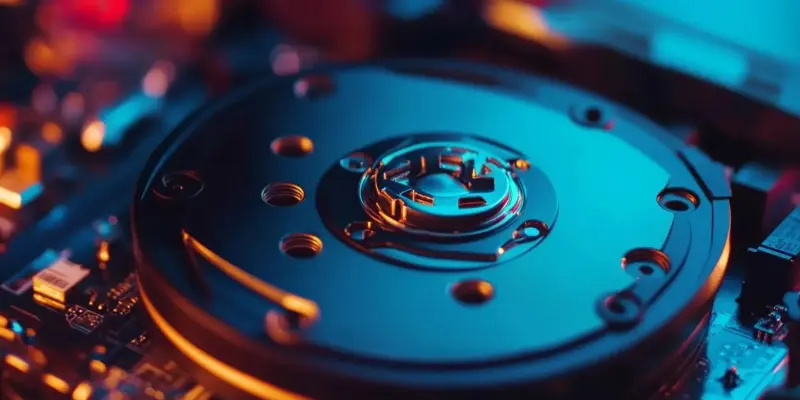
A recent surge of Seagate’s Exos 28TB HDDs has flooded the market, catching the attention of buyers needing massive storage solutions at discounted prices. The Seagate Exos 28TB HDD, recognized for its leadership in high-capacity internal drives, originally overshadowed Western Digital’s 24TB Gold model upon its release in 2024. While many of these drives appear to offer a tempting bargain, these are predominantly refurbished models with important caveats to consider. As eager buyers flock to platforms like Amazon, ServerPartDeals, and eBay for these seemingly attractive deals, cautionary tales and potential risks emerge, urging thorough examination and careful vetting.
The Allure and Reality of Refurbished Seagate Exos 28TB HDDs
These refurbished Seagate Exos 28TB HDDs now available on the market come without an official price tag for new units, but the refurbished versions can be procured at significantly reduced costs. These drives were either previously used or returned by their original buyers, then inspected, tested, and restored to full working condition before hitting the market again. However, potential buyers should be aware that such drives might have diminished warranty coverage, varying from up to two years with some sellers to only six months based on Seagate’s official data sheet. This limited warranty coverage can be a critical point of consideration for enterprises and individuals who rely heavily on data storage.
A particularly concerning aspect of this market influx is linked to the drives’ extensive prior use in cryptocurrency mining farms, especially those in China mining the digital currency Chia. These operations utilize copious storage resources, leading to heavy wear and tear on the hard drives. Reports from Heise.de have highlighted instances where customers, believing they were purchasing new drives, ended up with units that had already endured substantial usage—some exhibiting up to 15,000 hours of operational time. This repeated cycle of use and refurbishment calls into question the long-term reliability of these recertified models, in spite of their restored condition.
Weighing Cost Savings Against Reliability Risks
While the refurbished Seagate Exos 28TB HDDs present themselves as a cost-effective choice, purchasers need to weigh these savings against the potential reliability risks. The history of these drives, often marked by their use in grueling environments such as cryptocurrency mining farms, should be a red flag for enterprise buyers or anyone for whom data integrity and drive longevity are paramount. The allure of saving on storage costs can quickly turn into a pitfall if the drive fails prematurely due to its arduous past life, despite being recertified and sold at a discounted rate.
The market for high-capacity HDDs continues to evolve, with recent advancements including the introduction of Seagate’s 36TB Exos M model in early 2025. This model currently boasts the status of the largest hard disk drive available, with projections of Seagate potentially releasing models reaching as much as 60TB in the future. Such developments underscore the demand for extensive storage solutions driven by data-intensive applications and industries. Hence, understanding the trade-offs between refurbished and new drives is essential for informed decision-making, especially under the pressures of continuous technological advancements.
Data-Heavy Applications and Blockchain’s Role
The exponential growth in data-heavy applications and the insatiable storage requirements of the blockchain industry contribute significantly to this booming market for large-capacity HDDs. Buyers must navigate the complexities of this landscape, analyzing the pros and cons of opting for refurbished units. While cost savings are clearly a compelling argument, the reliability and limited warranty of these recertified drives raise significant concerns. For those with critical data storage needs, the choice between refurbished and new units could determine the stability and sustainability of their operations.
Although these refurbished drives make for a tempting purchase, the risk factors associated with their previous usage history cannot be overstated. Enterprises and individuals must approach these deals with diligence, scrutinizing sellers and considering the drive’s history and warranty coverage. For buyers who prioritize reliability over cost, investing in brand-new units, despite the higher price point, could be a more prudent choice for long-term dependability and peace of mind. This careful balancing act between cost and reliability remains a crucial consideration in the ever-changing high-capacity data storage market.
Market Implications and Future Considerations
A recent influx of Seagate’s Exos 28TB HDDs has hit the market, drawing the attention of buyers in need of substantial storage solutions at reduced prices. The Seagate Exos 28TB HDD, known for being a leader in high-capacity internal drives, initially eclipsed Western Digital’s 24TB Gold model when it was launched in 2024. However, most of these drives available now are refurbished units, presenting some important factors to consider. Buyers are swarming to popular platforms like Amazon, ServerPartDeals, and eBay to snag these seemingly great deals, but cautionary tales and warnings about potential risks are surfacing. These refurbished models may not always meet the new product standards, and there is a need for thorough inspection and careful consideration. It’s essential for buyers to do their homework and ensure that the deals they are eyeing won’t lead to unforeseen issues. While the prices may look appealing, understanding the quality and condition of these drives is paramount to making a wise investment decision.