

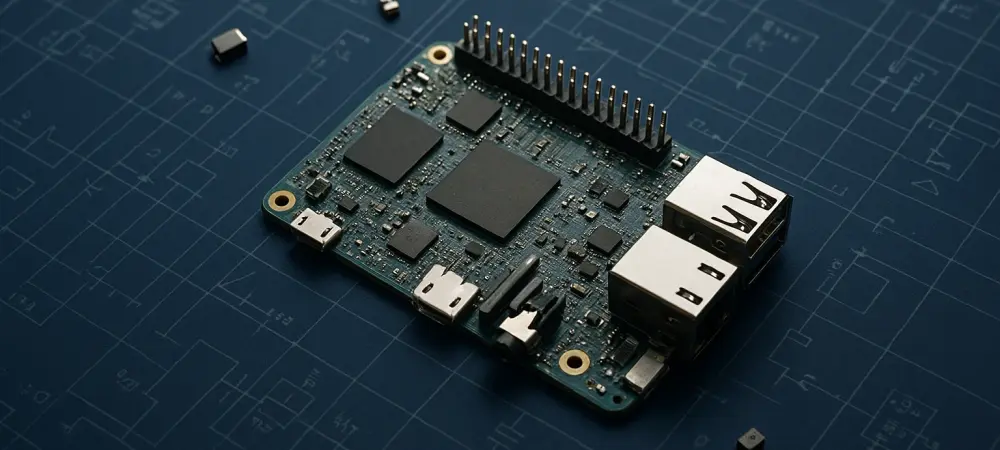
Dominic Jainy is a veteran IT professional whose work at the intersection of machine learning and hardware engineering gives him a unique perspective on the evolving landscape of system integrity and consumer rights. As a frequent contributor to discussions on artificial intelligence and blockchain, he understands the delicate balance between protecting a brand’s reputation and maintaining the open-source spirit that built the modern maker movement. In this conversation, we explore the implications of Raspberry Pi’s decision to implement firmware-level memory locks, the challenges this poses for the global repair community, and the shifting philosophy of low-cost computing platforms. We delve into the technical mechanisms used to verify hardware, the economic motivations behind preventing unofficial upgrades, and whether the pursuit of stability justifies the loss of hardware flexibility.
In light of the recent shifts in hardware security, how do you perceive the impact of firmware updates that now verify original RAM capacity and specific device attributes before a board even boots?
This is a significant turning point for a platform that has always been celebrated for its transparency and accessibility. By storing specific attributes of the original memory device within the firmware, the manufacturer has effectively created a digital fingerprint that must match every time the system powers on. While the company frames this as a way to ensure stability, it creates a rigid environment where even a same-capacity replacement chip might cause a boot failure if those stored attributes don’t align perfectly. I’ve seen reports from engineers like PhilE who have been very blunt, essentially telling enthusiasts not to waste their time because the system is designed to reject these modifications. It’s a sophisticated gatekeeping mechanism that moves us away from the plug-and-play ethos we’ve enjoyed for the last decade, turning what was once a versatile tool into a more locked-down, appliance-like product.
The decision to implement these restrictions seems rooted in a desire to protect the brand from unscrupulous resellers, but what does this mean for the lifecycle and sustainability of the hardware itself?
The primary concern cited by the manufacturer is the rise of modified boards being sold as factory-spec models, specifically where someone might take a 2GB part, swap it for an 8GB part of dubious origin, and resell it for a quick profit. From a business perspective, I understand the need to mitigate support costs and prevent users from blaming the company for stability issues caused by third-party soldering. However, this policy essentially penalizes the entire community to stop a few bad actors, making it impossible for a skilled technician to breathe new life into a board with a failed RAM IC. By removing the ability to replace individual components, we are looking at a future where a single chip failure results in an entire board becoming electronic waste, which is a disappointing step backward for sustainability. The financial gain for resellers might be minor when labor is cheap, but the long-term cost to the repair ecosystem is much higher than any immediate savings in support overhead.
Raspberry Pi has long been the darling of the maker community, so how do you think this shift toward a closed-door firmware policy changes the relationship with hobbyists and repair technicians?
There is a palpable sense of frustration among those who treat this hardware as a canvas for experimentation, especially since users of the Raspberry Pi 4 and 5 have already proven they can successfully perform BGA-mounted RAM swaps with the right equipment. We saw a clear example of this tension when a user tried to upgrade a Compute Module 5 to a 4GB chip, only to find the firmware completely ignored the new capacity. For developers working on edge deployments or custom hardware, this restriction removes the flexibility to adapt an existing board to a more demanding workload as software requirements evolve. The community has suggested more balanced solutions, like a “warranty flag” or a one-time software setting that would acknowledge a modification and void official support without bricking the device’s functionality. By choosing a hard firmware lock instead, the company is signaling that it prioritizes control over the creative freedom that originally made the platform a household name.
What is your forecast for the future of open-source hardware if this trend of firmware-level component locking continues to gain traction across the industry?
I believe we are entering an era where the definition of “open hardware” will be forced to evolve, as manufacturers from 2026 to 2028 will likely lean more heavily on cryptographically signed firmware to protect their ecosystems. While the rollout of these locks began in late 2024, the ripple effects are only now being fully realized as AI-driven demand for memory makes component-level flexibility more valuable than ever. We will likely see a split in the market: one path led by companies that prioritize corporate validation and “untested” protection, and another path led by new players who will use “full repairability” as a primary selling point. If the industry doesn’t adopt the community-suggested middle ground—such as identifying modified boards rather than blocking them—we risk losing the very tinkering culture that drives technical innovation in the first place. My prediction is that the maker community will eventually migrate toward alternative architectures that promise the hardware freedom that is slowly being stripped away from traditional platforms.