

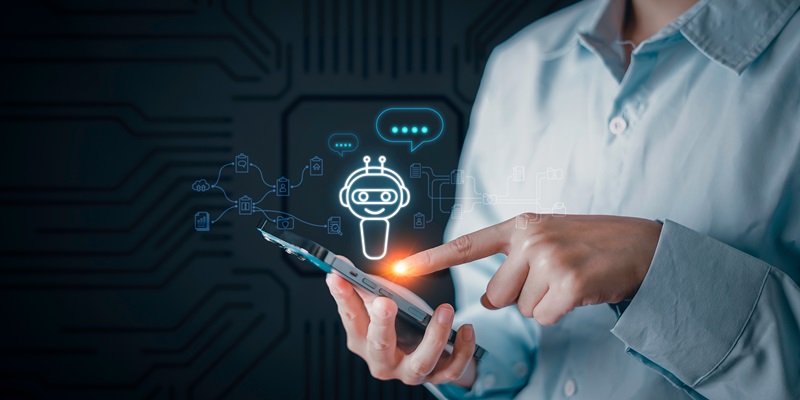
Embarking on a successful journey in the AI chatbot industry begins with choosing the right tools. For those new to the field, platforms like Fast Bots provide an ideal starting point due to the availability of free accounts for experimentation. The platform enables users to develop, test, and refine their chatbot creations without financial risk. Fast Bots feature intuitive interfaces and comprehensive tutorials, making the learning curve manageable even for beginners. This initial experimentation phase can be critical in understanding how to build and deploy effective chatbots.
Furthermore, utilizing feature-rich platforms can simplify the design and implementation process. Many platforms offer pre-built templates, advanced features like natural language processing (NLP), and seamless integration options with various business systems. By harnessing these tools, developers can focus more on customizing and perfecting their solutions rather than starting from scratch. The right platform not only accelerates the development process but also enhances the overall quality and functionality of the chatbot, which is crucial when pitching to potential clients.
Designing Effective AI Chatbots
Understanding Company-Specific Information
A vital aspect of designing impactful AI chatbots involves a thorough understanding of the specific information and requirements of the client company. This begins with studying the company’s privacy policies, objectives, and FAQs. Gaining insights into the company’s operations and customer interactions can significantly influence the chatbot’s design and functionalities. Developers should aim to create chatbots that not only align with the company’s goals but also seamlessly integrate with their existing systems.
Moreover, a well-designed chatbot should embody the company’s brand identity. This involves incorporating an engaging personality that resonates with the target audience while maintaining professionalism. The tone and style of the chatbot should reflect the company’s values and culture, ensuring consistency in communication. By personalizing the chatbot in this manner, developers can enhance user experience and satisfaction, leading to better client retention and repeat business.
Embedding Chatbots and Generating Income
Once the chatbot design is complete, the next step is embedding it into the client’s website or application. This process typically involves some technical knowledge but can be simplified with the use of code snippets provided by the platform. Successfully integrated chatbots can start generating income through setup fees and recurring maintenance fees. Regular updates and optimizations are often necessary to keep the chatbot functioning optimally, ensuring consistent revenue for the developer.
Strategically placing the chatbot on the website to maximize interaction is equally important. For instance, positioning it on high-traffic pages or where customers frequently seek assistance can increase engagement and usability. A well-placed chatbot not only improves customer experience by offering timely support but also reinforces the value of the service provided, justifying ongoing maintenance fees. Over time, the consistent performance of the bot can build the developer’s reputation and lead to more client referrals.
Securing Clients and Generating Income
Targeting E-commerce Stores and Affiliate Marketing
Securing clients is a critical step in establishing a successful AI chatbot business. One of the most promising sectors for chatbot services is e-commerce. These stores often rely on AI chatbots to provide customer support, manage inquiries, and even assist in sales processes. Approaching e-commerce businesses with a tailored proposal that highlights the capabilities and advantages of chatbots can greatly increase the chances of securing contracts. Demonstrating how chatbots can improve customer engagement and streamline operations can be a compelling argument for investment.
In addition to direct client services, affiliate marketing presents another lucrative opportunity. By creating websites that incorporate chatbots guiding users through affiliate links, developers can earn commissions on referred sales. Chatbots can enhance user experience by providing personalized recommendations and assistance, leading to higher conversion rates and increased affiliate income. Additionally, pairing affiliate marketing with targeted ads can boost revenue, making it a versatile strategy for generating substantial income.
Offering Data Analytics and Virtual Assistance
Another substantial income generation strategy involves offering data analytics and virtual assistance services. AI chatbots collect valuable data on customer interactions and behaviors, which can be analyzed to provide businesses with actionable insights. This information can help companies fine-tune their marketing strategies, product offerings, and customer service practices. Offering these analytics services as part of the chatbot package can create additional revenue streams and position the developer as a valuable partner in business growth.
Moreover, chatbots can be designed to function as virtual assistants, managing tasks such as scheduling, reminders, and addressing frequently asked questions. Businesses, especially small to medium-sized enterprises, can benefit significantly from these capabilities, as they often lack the resources to hire full-time staff for these roles. Providing customized virtual assistant solutions can help businesses operate more efficiently while generating consistent income for the chatbot developer. Establishing a portfolio of successful projects in these areas can further enhance credibility and attract more clients.
Conclusion
In the fast-paced tech industry, AI chatbots have become essential tools that many businesses are now using to improve customer interactions and streamline various operations. These AI-driven chatbots mimic human conversation and are employed in multiple roles, from addressing basic questions to offering comprehensive support. The expanding capabilities of these chatbots present significant opportunities for tech enthusiasts eager to turn their knowledge into profitable ventures. This detailed guide delves into how to monetize AI chatbots by offering them to businesses. It starts with grasping the necessary tools, proceeds to the design process, and concludes with methods for attracting clients and generating revenue. By understanding the market demand and honing relevant skills, tech experts can effectively create and sell AI chatbot solutions, tapping into a lucrative industry that’s poised for growth. Tailoring these chatbots to meet specific business needs can create a competitive edge, ensuring both client satisfaction and steady income.