

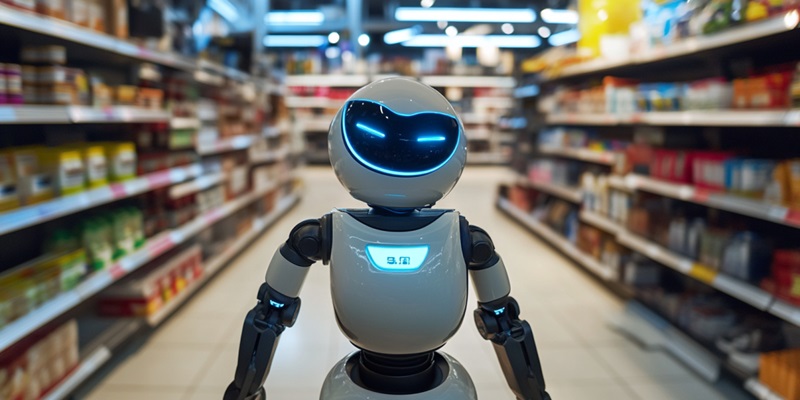
Artificial intelligence (AI) is rapidly transforming the retail industry by providing unprecedented levels of personalization and precision, significantly enhancing shopping experiences and streamlining inventory management. Developments in advanced computer vision and machine learning algorithms are making highly personalized shopping experiences a reality, which only a few years ago was hardly imaginable. With a focus on improving fit satisfaction and building customer confidence, AI-driven precision is changing the way consumers and retailers interact. This transformative impact of AI is driving the industry’s future with growing efficiency and customer-centric solutions.
Personalized Shopping through AI Precision
AI technology has brought a new dimension to the personalization of shopping by analyzing individual body types with an exceptional degree of accuracy. Through the application of advanced computer vision and machine learning algorithms, accuracy levels can reach up to 98%. Techniques such as Convolutional Neural Networks (CNNs) and Random Forest models aid in creating highly detailed profiles of body types. This adaptation and accuracy allow for precise clothing recommendations that fit each shopper uniquely, significantly enhancing user satisfaction and building customer confidence in the shopping process.
Furthermore, integrating AI-powered systems allows for seamless interactions between personal preferences and machine learning models. By gathering and processing vast amounts of customer data, AI can tailor recommendations that are not only highly relevant but also anticipate future needs and preferences. For instance, AI can predict which styles or sizes will likely become essential for specific customers, enabling them to make informed decisions and reduce the chances of disappointment. This advancement reduces the return rates and dissatisfaction tied to ill-fitting garments, subsequently fostering a more efficient and enjoyable shopping experience.
Real-time Inventory Integration
Seamlessly integrating AI with real-time inventory systems is another groundbreaking aspect of AI transformation in retail. By utilizing robust data synchronization frameworks, AI ensures that recommendations are always aligned with current stock levels, effectively minimizing the frustrations of out-of-stock items. These systems handle up to 50,000 inventory changes per second during peak times, employing distributed caching mechanisms to maintain smooth operations even during periods of high traffic, and allowing retailers to offer real-time updates to customers.
The ability to synchronize inventory dynamically with AI enables a more responsive and agile retail operation. Retailers can now swiftly adjust to supply and demand fluctuations, avoiding the costly pitfalls of overstocking or stockouts. This optimization is key to maintaining customer satisfaction, as it ensures that popular items are readily available while obsolete goods are minimized. Enhanced inventory management leads to more efficient operations, ultimately driving profitability and growth in the competitive retail sector.
Smart Recommendations and Enhanced Efficiency
AI’s capability to generate smart recommendations is revolutionizing the retail shopping experience. By merging collaborative filtering with content-based approaches, AI recommendation engines, such as Long Short-Term Memory (LSTM) networks, can predict fashion trends months in advance. These engines dynamically adapt to customer behaviors, continuously refining recommendation relevance and appeal. As a result, shoppers benefit from faster and smarter shopping experiences, enjoying personalized suggestions that align closely with their unique tastes and preferences.
The efficiency of AI-driven systems in reducing browsing time by over 37% is noteworthy, as it leads to quicker decision-making and significantly shorter session times compared to traditional methods. This streamlined experience boosts user satisfaction and engagement. Not only do customers find what they want more rapidly, but the improved efficiency also translates into higher conversion rates for retailers. In trials, 93% of participants rated their AI-enhanced shopping experience as exceptional, highlighting the potential for these systems to reshape the industry standard.
Accessibility and Inclusivity
AI-powered systems are designed with a focus on accessibility and inclusivity, adhering to Web Content Accessibility Guidelines (WCAG) to ensure seamless navigation for individuals with diverse needs. This commitment to accessibility enhances engagement across various demographics, creating a more inclusive retail environment. The systems exhibit a 95% task completion rate among users with disabilities, underscoring their effectiveness in providing equitable shopping experiences for all customers.
By prioritizing accessibility, AI systems contribute to a more diverse and inclusive retail landscape where all customers, regardless of their abilities, can enjoy a hassle-free shopping experience. This inclusivity is further enhanced by AI’s ability to offer personalized recommendations and insights tailored to individual needs, ensuring that every shopper receives the attention and service they deserve. As such, AI not only transforms the technical aspects of retail but also fosters a more welcoming and accommodating marketplace for all.
Scalable Personalization and Inventory Management
Artificial intelligence (AI) is rapidly revolutionizing the retail sector by introducing unmatched levels of personalization and precision, thereby greatly enhancing customer shopping experiences and optimizing inventory management processes. Advances in computer vision and machine learning algorithms enable highly customized shopping experiences that were scarcely imaginable just a few years ago. AI’s ability to improve fit satisfaction and bolster customer confidence is reshaping the interactions between consumers and retailers. This profound impact of AI is steering the future of the industry, pushing it towards heightened efficiency and more customer-centric solutions. Retailers are now able to analyze large volumes of data to understand customer behavior, predict trends, and manage stock levels with greater accuracy. Moreover, AI enhances customer service by enabling chatbots and virtual assistants, which provide instant responses and solutions, further improving the shopping experience. Ultimately, the integration of AI in retail is not just about technology but about creating a more effective, personalized, and satisfying experience for customers, making them feel valued and understood.