

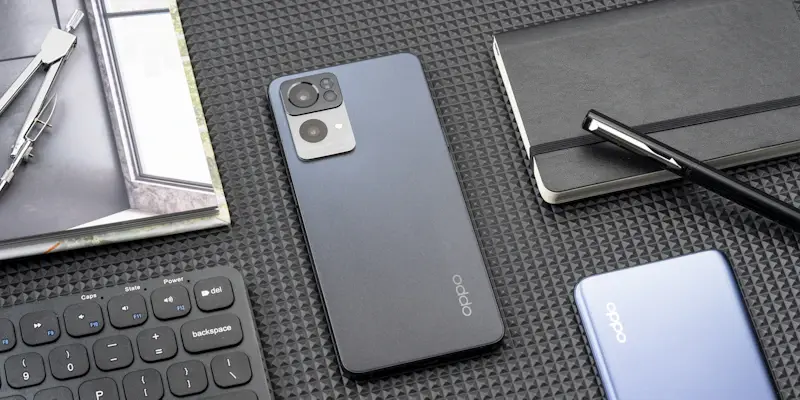
Advancements in smartphone design continue to evolve rapidly, catering to consumer preferences for compact, efficient, and aesthetically pleasing devices. Oppo’s upcoming Reno15 series promises to reflect this trend by adopting a more compact form factor coupled with flat-screen displays, a significant shift from previous iterations. This move is poised to offer users a blend of high-end features and a sleek design, further enhancing the mid-range smartphone market.
Transition to Flat-Screen Design
The Reno15 series marks a departure from the curved screens that characterized many of its predecessors. Instead, Oppo is embracing flat-screen designs, following the successful model set by its premium Find X8 Ultra. This shift aligns with broader industry trends favoring flat-edged designs, enhancing both the visual appeal and ergonomic comfort of the devices. By introducing compact display sizes of around 6.59 inches and 6.3 inches, similar to the Find X8 series, Oppo is catering to users who prioritize a sleek yet functional design.
Additionally, the expected design with flat-edged aluminum frames and corner-mounted camera humps draws a resemblance to the iPhone’s aesthetic. This similarity is likely to appeal to a segment of consumers who appreciate the minimalist and refined look. The compact form factor does not compromise on utility, as Oppo continues to integrate flagship features, such as advanced camera functionalities and fast charging capabilities, ensuring a comprehensive user experience.
Enhancing Mid-Range Appeal
The evolution from the Reno13 to the forthcoming Reno15 demonstrates Oppo’s commitment to enhancing its mid-range offerings’ overall appeal. The inclusion of high-capacity batteries is one of the series’ most anticipated updates, positioning the Reno14 and Reno15 as premium mid-range devices. These enhancements are expected to provide extended battery life, addressing one of the most critical aspects of smartphone performance valued by users.
Currently, the Reno13 series, which is popular for features like the “Luminous” camera hump, is competitively priced at approximately $407 in India. The new models are anticipated to build on this foundation by integrating more advanced technologies and design improvements while maintaining affordability. This strategy enables Oppo to remain a strong contender in a highly competitive market by offering products that strike a balance between price and features.
Moreover, the Oppo A series, positioned a tier below the Reno, also benefits from this design philosophy with a compact 6.5-inch option, providing budget-conscious customers with a solid choice within the Oppo ecosystem. This approach reflects Oppo’s broader strategy of delivering uniformity in design and performance across its product lines, ensuring that customers at various price points receive a premium experience.
Future Directions
Advancements in smartphone design are accelerating, catering to consumer demands for compact, efficient, and visually appealing devices. Oppo’s upcoming Reno15 series is set to embody this trend by featuring a more compact form factor paired with flat-screen displays, marking a notable departure from previous models. This strategic shift is likely to provide users with a balance of high-end features and sleek design, significantly enriching the mid-range smartphone market. As technology continues to advance at a rapid pace, consumers are increasingly drawn to devices that combine functionality and design. The Reno15 series aims to capture this desire by offering a streamlined, aesthetically pleasing phone without sacrificing performance. The incorporation of flat-screen displays in a more compact design suggests that Oppo is listening to consumer feedback, prioritizing ease of use and portability.
The Reno15 series is expected to deliver a premium experience with its cutting-edge features, appealing to tech enthusiasts and general users alike. This focus on marrying form and function indicates that Oppo is taking significant strides in redefining the mid-range smartphone segment, ensuring that their products not only meet but exceed the expectations of users seeking both style and substance in their devices.