

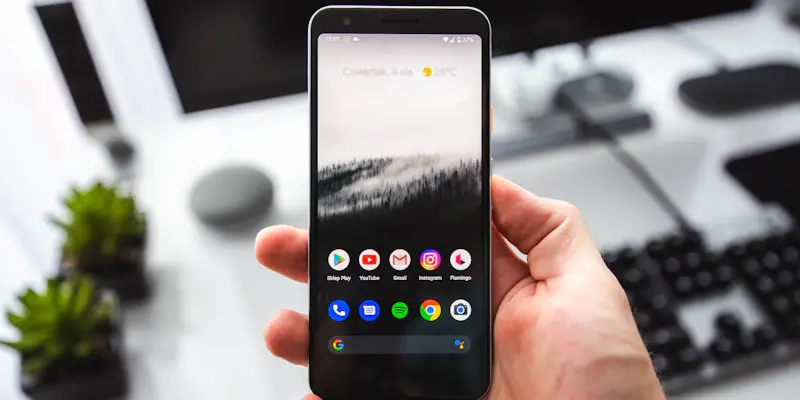
Choosing between Google’s Pixel 9a and the flagship Pixel 9 presents a notable challenge for consumers, as the choice involves weighing features, pricing, and market positioning. This detailed discussion evaluates the strengths and weaknesses of the Pixel 9a, and why it might or might not be worth its price tag when compared to the flagship Pixel 9.
The Appeal of Pixel 9a and Pixel 9
Pixel 9a’s Strong Points
The Pixel 9a is heralded for delivering an exceptional yet streamlined Android experience and robust performance, particularly at its midrange price of $500. The 9a’s camera system stands out, often producing photography that rivals even some higher-end models. These aspects collectively position the phone as a satisfactory option providing excellent utility without breaking the bank.
Another crucial selling point for the Pixel 9a is Google’s substantial seven-year software update commitment, which significantly boosts its long-term value. This extended period of software support ensures that users can expect regular security updates and new features long after their initial purchase. Consequently, the Pixel 9a emerges as a leading contender in the market for those who prioritize longevity and security over cutting-edge hardware.
Pixel 9’s Offerings
In contrast, the flagship Pixel 9 offers a more premium experience, with a price tag starting at $800. The flagship model distinguishes itself through superior hardware and advanced AI capabilities. Enhanced AI features include improved photo editing tools, real-time translation, and intelligent personal assistant functionalities that add significant value to tech-savvy users who desire the latest advancements.
Furthermore, the Pixel 9’s sophisticated design, which includes higher-end materials and a more refined build, sets it apart from the Pixel 9a. The flagship boasts faster processors and enhanced graphics performance, ideal for those who use their phone for gaming or intensive applications. Despite these upgrades, the average user may find that the core functionalities of the Pixel 9a sufficiently meet their needs, making the additional cost of the flagship model harder to justify.
Pricing Paradox
Comparing Pixel 9a and Flagship Pixel 9
The Pixel 9a’s merits, while substantial, are put into a different perspective when considering its pricing proximity to the often-discounted flagship Pixel 9. This creates a pricing paradox, raising questions about the Pixel 9a’s positioning within Google’s smartphone family. Consumers weighing their options may struggle with whether to spend a bit more to gain access to Pixel 9’s enhanced features or stay within a planned budget with the Pixel 9a. For some, the slight price increase to acquire the flagship model might be justified by the advanced capabilities and premium feel. For others, the dependable performance and extended software support of the Pixel 9a might represent the more practical choice.
Market Position Evolution
Historically, Google’s Pixel “a” series has been celebrated for providing a high-quality yet budget-friendly entry point into the Pixel ecosystem. Over time, however, the price gap between the “a” series and the flagship models has narrowed, blurring the lines that once distinctly separated them. The evolution of the Pixel “a” series to a more premium tier has complicated its initial market positioning. The narrowing price gap signifies an evolution but also a potential risk of alienating the original target audience who valued the “a” series for its clear affordability.
Value Proposition of Pixel 9a
Long-Term Value Through Software Support
One of the most compelling aspects of the Pixel 9a is Google’s unwavering commitment to seven years of software support. This feature dramatically enhances the phone’s long-term value, ensuring that users will continue to receive significant updates and security patches through its lifecycle. Competitors often fall short, typically offering only three to four years of updates. The Pixel 9a thus appeals strongly to users who view their smartphone as a long-term investment rather than a gadget to be replaced frequently.
Balancing Quality and Affordability
The Pixel 9a strikes a unique balance of quality and affordability that is hard to overlook. Its performance metrics, while not top-tier, are more than adequate for everyday tasks and general use. It offers a no-frills approach that provides users with precisely what they need. This balance helps maintain its competitiveness, particularly for those who may not be swayed by the allure of the latest tech features but still seek a reliable and well-supported device.
Consumer Decisions
Factors Influencing Choice
When faced with the decision between the Pixel 9a and the flagship Pixel 9, various factors come into play. These include the distinctions in hardware and AI capabilities, the overall user experience, and crucially, the perceived value of long-term software support. Furthermore, the extended software support is a significant advantage for those looking for reliability and security over the years.
For many consumers, making this decision involves considering their specific needs and usage patterns. The set of considerations influencing this choice varies, and understanding what each phone brings can help in making an informed decision.
Justifying the Pixel 9a Purchase
Justifying the purchase of the Pixel 9a amidst the temptation of the discounted flagship Pixel 9 can be complex. While the Pixel 9a offers excellent value in its own right, the frequently discounted higher-end option can make the decision more challenging. One scenario where the Pixel 9a makes perfect sense is for users who value longevity and consistency. This highlights that while the pricing dilemma is significant, the Pixel 9a’s personalized value proposition remains strong for many users.
Conclusion: Navigating the Pixel Dilemma
Selecting between Google’s Pixel 9a and the premium Pixel 9 proves to be a significant dilemma for consumers. While the Pixel 9a offers a more affordable option, it’s essential to examine how it compares to the flagship Pixel 9 in terms of performance and value for money.
Ultimately, the decision to opt for the Pixel 9a or Pixel 9 requires careful consideration of individual needs and priorities, balancing the price against the performance and features each model offers.