

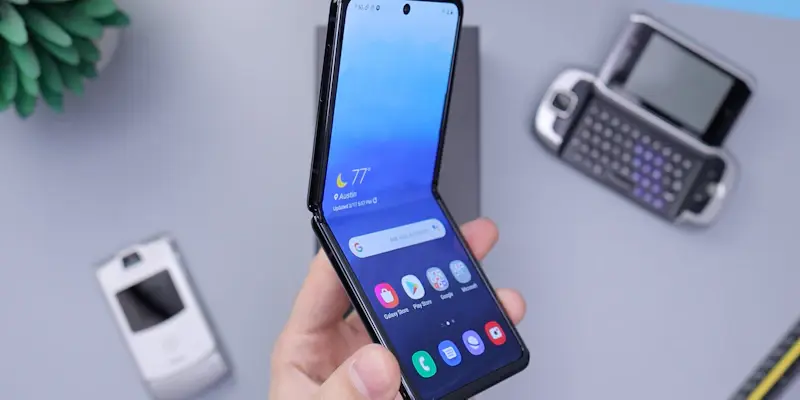
Samsung has pushed back the release of its much-anticipated Galaxy Z Flip FE and new tri-fold phone to the fourth quarter of this year, altering the initial summer launch schedule. Initially expected to be showcased during Samsung’s Unpacked event, the delay results from production priorities focusing on the Galaxy Z Fold 7 and Z Flip 7 models. This shift highlights Samsung’s strategy of emphasizing flagship models’ quality and market readiness, underlining their meticulous planning and resource allocation efforts.
Production Prioritization and Technical Challenges
The delay in launching the Galaxy Z Flip FE and the tri-fold phone can primarily be attributed to Samsung prioritizing the production of its established flagship models, the Galaxy Z Fold 7 and Z Flip 7. Panel production for these models commenced in April, indicating Samsung’s commitment to ensuring the highest quality for its flagship products before exploring more innovative or variant models. This production focus suggests Samsung’s recognition of the importance of maintaining premier model standards to solidify its market position.
A secondary factor contributing to the delay is the technical challenges associated with incorporating certain components, particularly the Exynos chips. Rumors and speculations have indicated that the Galaxy Z Flip FE might feature the Exynos 2400 SoC, mirroring the Galaxy S24 FE. However, earlier reports speculated the device would incorporate the Exynos 2500, a newer, more advanced chip. The technical difficulties in integrating the Exynos 2500 could explain the shift, further emphasizing Samsung’s cautious approach to introducing new hardware. Despite ongoing speculation, Samsung has yet to officially disclose detailed information about the Galaxy Z Flip FE or the tri-fold phone.
Strategic Decisions Impacting Release Schedules
The decisions to delay the release of these innovative devices reflect strategic considerations relevant to the competitive landscape and consumer expectations. Samsung often treads a fine line between pushing the envelope with technological innovations and ensuring that the market is adequately prepared for such advancements. This balancing act is evident in their decision to focus on flagship models before expanding their product lineup with devices like the Galaxy Z Flip FE and the tri-fold phone. The tri-fold phone, briefly mentioned in Samsung’s January Unpacked event, represents a significant leap in smartphone innovation. The complexity and novelty of the tri-fold design likely contribute to its delayed release, as Samsung strives to perfect the technology before it hits the market. This level of caution is crucial to avoid potential pitfalls that could tarnish the company’s reputation. Similarly, software updates and other preparatory measures, such as the update for a device labeled “SM-F761,” speculated to be the Z Flip SE, indicate ongoing development efforts, reiterating Samsung’s methodical approach.
Path Forward: Innovations and Market Readiness
Samsung has delayed the release of its highly anticipated Galaxy Z Flip FE and new tri-fold phone to the fourth quarter of this year. Initially, these innovative devices were expected to make their debut during Samsung’s Unpacked event set for this summer. However, the tech giant has chosen to postpone their launch, prioritizing the production of the new Galaxy Z Fold 7 and Z Flip 7 models. This strategic decision underscores Samsung’s commitment to ensuring the highest quality for its flagship products and underscores the company’s meticulous planning. The delay illustrates how Samsung is allocating its resources to refine these high-end models, ultimately aiming to deliver superior devices to the market. By postponing the release, Samsung seeks to enhance the market readiness and performance of their flagship offerings, reflecting a deliberate approach to product development. This move also indicates the company’s foresight in addressing production capabilities and optimizing their lineup to meet consumer expectations effectively.