

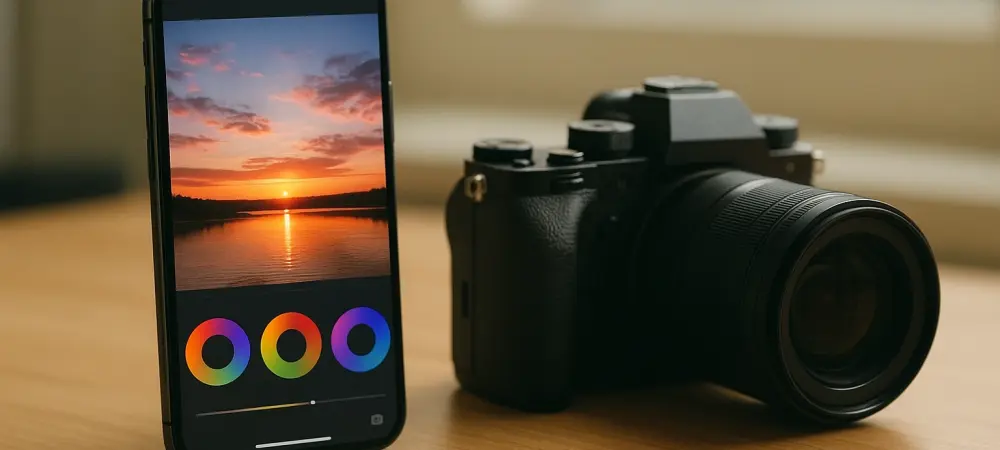
The perpetual pursuit of visual perfection in the mobile market has reached a definitive turning point with the introduction of the Oppo Find X10 Series and its aggressive engineering. For years, manufacturers prioritized refresh rates, yet this lineup refocuses the industry gaze on color depth and physiological health. By transitioning from the DCI-P3 gamut to the expansive BT.2020 color space, the device effectively challenged the dominance of established leaders while setting a new standard for flagship expectations.
The Evolution: Oppo’s Flagship Display Philosophy
This series serves as a specialized laboratory for display innovation, where the Find X line acts as a testbed for technology that eventually trickles down to more affordable segments. While competitors often focus on incremental speed, Oppo prioritized the accuracy of the visual pipeline. This philosophy marks a departure from saturated colors toward a more realistic, professional-grade representation.
Core Hardware: Innovations and Performance Specs
The BT.2020 Color Gamut: Implementation
The shift toward the BT.2020 standard represents a leap in technical complexity, covering nearly 76 percent of the visible color spectrum. This implementation provides a richness in greens and reds previously unattainable on mobile devices, making standard HDR content look muted by comparison. However, the hardware required precise calibration to avoid looking unnatural, a hurdle addressed through proprietary imaging chips.
Advanced Eye-Care: Panel Substrate
Beyond aesthetics, the hardware substrate focuses on a wellness-first approach by optimizing the light spectrum at the molecular level. Unlike software filters that merely tint the screen, this panel maximizes beneficial red light while physically limiting blue light emissions to record-low levels. It is a fundamental redesign of how light interacts with the human retina.
Next-Generation: Processing and Imaging Power
The Dimensity 9600 Pro chipset provides the necessary throughput to handle 200 MP imaging and real-time color mapping. The synergy between the processor and the high-resolution sensor allows for a level of detail that bridges the gap between smartphones and mirrorless cameras. This ensures the advanced display does not become a bottleneck for system performance.
Manufacturing: Shifts in Design Trends
Achieving ultra-slim bezels required an overhaul of the assembly floor, utilizing a dual production line process. This method allows for tighter tolerances and a more seamless integration of the glass and frame. It reflects a consumer demand for hardware that feels premium while remaining ergonomically sound and health-conscious.
Professional Use: Multimedia Applications
In the realm of professional content creation, the Find X10 offers a level of color fidelity that allows for mobile color grading. Photographers benefit from a display that mimics calibrated studio monitors, reducing the need for external peripherals. This accuracy transforms the smartphone from a consumption tool into a legitimate workstation for visual artists.
Technical Hurdles: Market Obstacles
The series faces skepticism regarding the mass-producibility of true BT.2020 panels. Critics argue that the delta between laboratory performance and retail units can be wide when dealing with such high color sensitivity. Furthermore, competing with the brand loyalty of Apple requires a flawless software experience that matches the hardware ambition.
The Future: Mobile Visual Engineering
Oppo’s innovations are likely to dictate the trajectory of flagship development from 2026 to 2028. As panel substrates become more sophisticated, the integration of hardware-level eye protection will become a standard requirement rather than a luxury. This shift suggests a move toward devices that are as protective as they are powerful.
Final Assessment: The Find X10 Series
The Find X10 Series moved the needle for what consumers expected from a flagship device. It proved that display technology could prioritize ocular health without sacrificing the vibrancy required for high-end content creation. The device set a high bar for competitors, suggesting that technical leadership was earned through meaningful innovation. Ultimately, the series demonstrated that the next logical step for the industry involved integrating biometric-safe lighting into every tier of consumer electronics.