

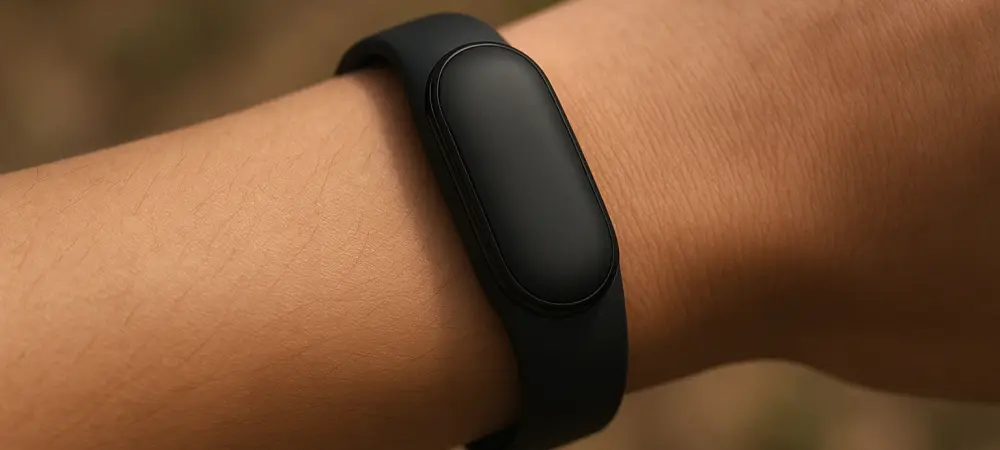
Dominic Jainy has spent years at the intersection of emerging hardware and sophisticated software architectures, making him one of the most respected voices in mobile technology today. Following the high-profile release of the latest flagship smartphones and wearables, he joins us to dissect a peculiar discovery that has the tech community buzzing. Our conversation covers the visual discrepancies found in regional advertising, the potential evolution of branding between fitness trackers and smartphones, and the technical hurdles of introducing a new form factor into an established operating system.
With the recent launch of the Pixel 11 series, what is your take on the mysterious smartband that surfaced in promotional images from Australia?
It is incredibly fascinating to see a “leak” of this nature coming directly from official channels like Google Australia, especially right after an event that introduced four major phones and the new Pixel Watch 5. When you look at the images, there is an undeniable sense of polished intentionality that doesn’t match the existing Fitbit Charge 6 or the entry-level Inspire 3. The community on Reddit was quick to notice that while the Pixel 11 starts at $899 with 12GB of RAM, this small accessory could be the missing piece for users who want something more discreet than a full smartwatch. Seeing this device alongside the $1,099 Pixel 11 Pro creates a visual synergy that suggests Google is finally ready to offer a unified aesthetic across all wearable tiers. It feels like a calculated move to gauge interest or perhaps a simple oversight in a regional marketing department that was a bit too eager to show off the full ecosystem.
Why do you believe the branding on this specific device is causing so much debate regarding its origin as a Pixel or Fitbit product?
The distinction lies in the nomenclature, as traditional fitness trackers from the company are almost always labeled under the “Google Fitbit” banner to maintain that legacy health identity. However, these advertisements lean heavily into the Pixel branding, which signals a significant shift toward a premium, integrated experience that mirrors the identity of the $1,299 Pixel 11 Pro XL. If this is truly a “Pixel Watch a-series” or a dedicated Pixel Band, it would be the first time we see a smartband divorced from the typical Fitbit design language seen in the Charge series. This change creates a certain level of excitement because it suggests a design philosophy that focuses on the sleek, minimalist curves we see in the 11 Pro Fold. Using the Pixel name instead of Fitbit implies a deeper level of integration with the core Android experience, moving beyond just step tracking into a more robust extension of the smartphone.
What kind of software infrastructure would be necessary to support a device that sits somewhere between a basic tracker and a full-featured smartwatch?
That is the million-dollar question, because introducing a band-sized device raises serious questions about whether Wear OS can be scaled down or if a secondary operating system is being utilized. We saw the introduction of the Pixel Tag alongside the new phones, which shows Google is expanding its hardware footprint, but a smartband requires a much more interactive UI. To provide a seamless experience for someone carrying a 512GB Pixel 11 Pro, the software must handle notifications and health data with the same fluidity as the Watch 5. There is a palpable tension between the simplicity of a Fitbit OS and the power-hungry nature of Wear OS, and bridging that gap is a massive technical undertaking. If they have managed to fit a lightweight version of their main wearable OS into such a slim chassis, it would be a landmark achievement for their engineering teams.
What is your forecast for the future of Google’s wearable ecosystem?
I anticipate that we are moving toward a complete consolidation where the lines between fitness tracking and smart assistance become virtually invisible to the end user. We will likely see a tiered ecosystem where a Pixel Band acts as an entry point for those intimidated by the flagship price points of the Pro phone and Watch combo. By 2028, I expect every piece of hardware—from the smallest tracker to the most expensive foldable—to share a unified design language that prioritizes ambient AI integration. This mysterious band is just the first step in creating a continuous loop of data and style that makes the hardware ecosystem feel like a single, living entity rather than a collection of separate gadgets. The focus will shift from what the device is called to how effortlessly it disappears into your daily routine while still providing high-level insights.