

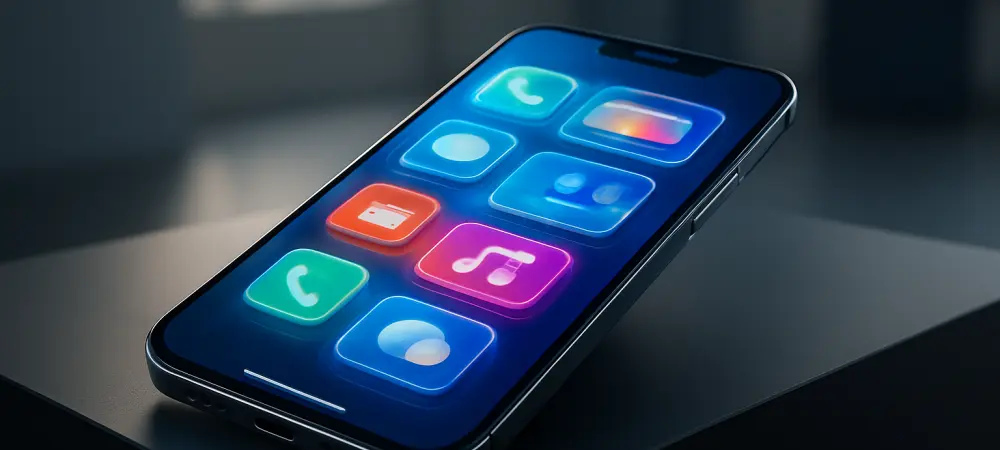
The Evolution of Samsung Digital Experience and the Roadmap to 2027
The boundary between physical glass and digital interface is beginning to blur as Samsung prepares a software revolution that promises to redefine mobile interaction for the upcoming year. As the mobile industry moves beyond incremental hardware updates, the focus has shifted toward the intelligence and aesthetic harmony of the operating system. Samsung is currently preparing a monumental shift in its software philosophy with the development of One UI 9.5. This iteration is specifically engineered to complement the upcoming Galaxy S27 flagship series, which includes the standard, Plus, Pro, and Ultra models. The purpose of this transition is to redefine how users interact with their devices, moving away from static interfaces toward a more fluid and immersive environment.
The relevance of One UI 9.5 stems from a growing demand for a cohesive ecosystem that balances high-performance capabilities with sophisticated design. While previous versions focused on utility and feature density, the 2027 update represents a pivot toward luxury and intuitive navigation. By understanding the timeline of this development, we can see how Samsung intends to regain its lead in the competitive premium smartphone market, ensuring that the Galaxy S27 is not just a hardware powerhouse but a benchmark for modern software design.
The Path Toward the Launch of the Galaxy S27 Software Suite
Mid 2026: The Development of the Android 17 Core and One UI 9
Before the visual innovations of the mid-cycle update can take place, Samsung must first establish the foundation with One UI 9. This initial version, based on the Android 17 architecture, is expected to focus primarily on the technical integration of Google’s latest core features. During this period, the development team prioritizes system stability and the groundwork for the Galaxy Z Fold 8. While this version sets the stage for the Galaxy S27, it remains a more traditional step in the software cycle, focusing on background optimizations and initial compatibility with next-generation processors.
Late 2026: The Discovery of One UI 9.5 Internal Test Builds
The first concrete evidence of a major visual transformation surfaced through internal testing cycles in the United Kingdom. A Galaxy S26 Ultra user identified early builds of One UI 9.5, revealing a radical departure from the established design language. These leaks provided the first glimpse of a new aesthetic direction, suggesting that Samsung had already begun testing sophisticated interface elements months before the hardware launch. This phase is critical as it allows the manufacturer to refine high-intensity visual effects, such as transparency and depth, on existing flagship hardware to ensure they are ready for the more powerful Galaxy S27.
Early 2027: The Global Introduction of the Galaxy S27 Series
The culmination of these development efforts occurs in the first half of 2027 with the official unveiling of the Galaxy S27 lineup. At this stage, One UI 9.5 is introduced as the finalized interface, moving from a testing environment to a consumer-ready platform. This period marks the point where the software and hardware are finally synchronized, allowing the new “Liquid Glass” design to utilize the full graphical potential of the S27’s display technology. This launch period transitions the brand from the functional focus of the previous year into a new era of high-end, design-centric user experiences.
Analyzing the Impact of the Liquid Glass Aesthetic and Privacy Controls
The most significant turning point in this software cycle is the adoption of the “Liquid Glass” aesthetic. This movement away from flat, two-dimensional icons toward three-dimensional, semi-transparent elements marks a fundamental shift in industry standards. By incorporating depth and layers into system components like volume sliders and widgets, Samsung is aligning itself with contemporary design trends that prioritize a sense of tactility. This change is not merely cosmetic; it enhances the user’s spatial awareness within the operating system, making navigation feel more natural and less cluttered.
Another overarching theme is the native integration of enhanced privacy tools, most notably the “App Lock” feature. For years, users relied on third-party solutions or complex workarounds to secure specific applications. The decision to include this as a core part of One UI 9.5 shows a direct response to consumer feedback and a commitment to data security. These functional upgrades, combined with the reorganized system icons and streamlined dialer app, suggest that Samsung is moving toward a more refined user experience that values both beauty and utility equally.
Strategic Nuances and the Future of Samsung Software Architecture
Looking deeper into the strategic implementation of One UI 9.5, it becomes clear that Samsung is employing a two-step release strategy to maintain consumer interest throughout the year. While One UI 9 provides the necessary technical updates, the 9.5 version is positioned as the true innovator. This approach allows the company to deliver a stable platform early on while reserving the most exciting visual and functional breakthroughs for its premier S-series launch. This methodology mirrors the release cycles of other tech giants, ensuring that the brand remains at the forefront of the conversation throughout the fiscal year.
Expert analysis suggests that while the “Liquid Glass” trend draws some inspiration from competitors, Samsung is tailoring the experience to leverage the unique customization strengths of Android. There are common misconceptions that such high-depth visuals might compromise battery life or system speed; however, early internal builds indicate that these elements are highly optimized for the efficient chipsets expected in the Galaxy S27. As the software moves toward public beta testing, it is likely that even more radical refinements will appear, further distinguishing the S27 from its predecessors. The successful integration of these aesthetic shifts established a new baseline for spatial computing on mobile devices. Industry observers noted that the move toward high-depth visuals necessitated a closer collaboration between software designers and silicon engineers to maintain performance benchmarks. Moving forward, the focus migrated toward how these semi-transparent layers could better facilitate multitasking in foldable formats. This transition suggested that future updates would likely prioritize augmented reality compatibility, ensuring that the software remains adaptable to emerging hardware categories.