

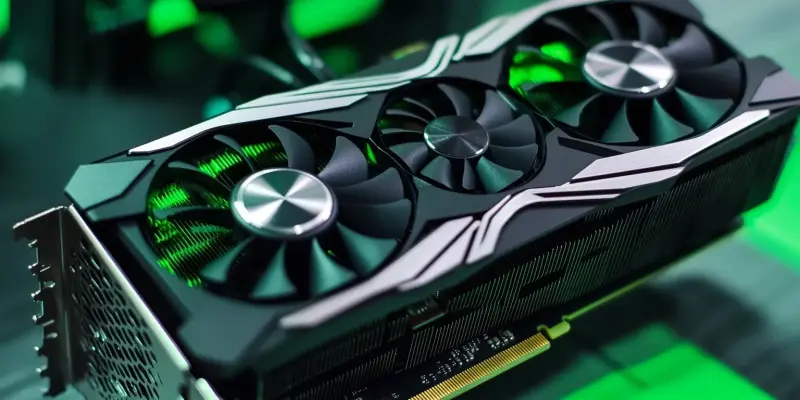
When NVIDIA introduced the GeForce RTX 5090 Founders Edition, it wasn’t just the next leap in GPU technology but also a significant stride toward environmental sustainability. In an era where reducing carbon footprints is vital for tech companies, NVIDIA took tangible steps to make its product more eco-friendly without sacrificing performance. The new packaging not only diminishes the environmental impact but also enhances the overall user experience, presenting a glimpse into the future of tech innovation.
Innovative Packaging Design
Eco-Conscious Materials and Minimalist Design
One of the standout features of the GeForce RTX 5090 Founders Edition is its packaging, which has been entirely redesigned with environmental consciousness in mind. NVIDIA adopted a 100% plastic-free approach, utilizing paper fibers to create a simplistic yet elegant external box. This brownish packaging is reminiscent of other tech giants like Apple, signifying a broader industry shift toward sustainable materials. Additionally, the new box is significantly smaller than its predecessor, the GeForce RTX 4090, reducing waste and transportation resources.
Incorporating minimalistic design elements, the packaging features seals similar to those found on Apple’s iPhone boxes. This subtle detail improves the unboxing experience while maintaining a sense of high-end refinement. A bold branding message, “Inspired by Gamers. Enhanced by AI. Built by NVIDIA,” underscores the company’s dual commitment to innovation and sustainability. Opening the package reveals an inner box in a “Lunar Stone” color, showcasing a die-cut GPU branding that elevates the visual appeal and conveys a premium feel.
Enhanced User Experience and New Power Standards
NVIDIA took great care to ensure that the new packaging of the GeForce RTX 5090 Founders Edition not only looks exceptional but also serves practical purposes. Included inside is a 4x PCIe 8-pin to 1x 16-pin power connector. This crucial addition highlights a new power standard, which is essential to support the high-performance demands of this flagship GPU. By accommodating these changes, NVIDIA ensures that users can seamlessly integrate the RTX 5090 into their existing systems, making the upgrade process smoother.
Furthermore, the GPU itself boasts a compact yet powerful design, measuring approximately 304mm x 137mm and featuring a two-slot structure with a height of 40mm. This meticulous size optimization makes the RTX 5090 accessible to a broader range of users, especially those with small form factor (SFF) cases. The design is not only visually appealing but also functionally superior, ensuring it can deliver top-tier performance while fitting into various setups.
Superior Technological Advancements
Double Flow Through GPU Design
One of the most revolutionary aspects of the GeForce RTX 5090 Founders Edition is its “Double Flow Through” GPU design. This innovative structure is a game-changer in terms of thermal performance, incorporating a multipart PCB that allows efficient air circulation. Two push fans are strategically positioned to blow air through the central PCB, which houses the GPU, memory, and power subsystem. This enhancement optimizes cooling and ensures the GPU remains within optimal temperature ranges, even under intense workloads.
The “3D Vapor Chamber” is another standout feature within this design, offering advanced thermal performance that surpasses conventional cooling methods. This innovation, along with the multi-PCB design, makes the RTX 5090 a powerhouse in both efficiency and performance. By embracing such advanced cooling techniques, NVIDIA ensures that the GPU can handle demanding tasks without overheating, promising a smoother and more reliable gaming and computing experience for users.
Enhanced Connectivity and Multilayer PCB
NVIDIA has also significantly improved the connectivity features of the GeForce RTX 5090 Founders Edition. The multi-PCB design includes not just the motherboard’s PCIe connector PCB but also a flexible board that facilitates high-speed signaling. This intricate setup enhances the GPU’s overall performance and connectivity, allowing for faster data transfer rates and better signal integrity.
The package offers four ports, including three DisplayPort 2.1b with UHBR 20 and one HDMI 2.1b port. These ports provide users with versatile options for connecting multiple monitors or high-definition displays, enhancing the gaming and visual experience immensely. The RTX 5090’s ability to support various outputs makes it an ideal choice for users seeking a comprehensive and high-performing graphics card.
Conclusion
When NVIDIA launched the GeForce RTX 5090 Founders Edition, it marked not just a significant advancement in GPU technology but also showed a strong commitment to environmental sustainability. In today’s world, where minimizing carbon footprints is essential for tech companies, NVIDIA has taken practical steps to make its products more eco-friendly. They did this without compromising the exceptional performance these GPUs are known for. One notable change is in the new packaging, which significantly reduces environmental impact. This new approach to packaging also enhances the overall user experience, giving us a look at what the future of tech innovation might hold. NVIDIA’s efforts reflect a broader industry trend toward balancing high performance with environmental responsibility, showing that cutting-edge technology can coexist with eco-conscious practices. This initiative by NVIDIA exemplifies how tech companies can responsibly innovate while still delivering top-tier products to consumers, setting a standard for others to follow in the quest for greener technology.