

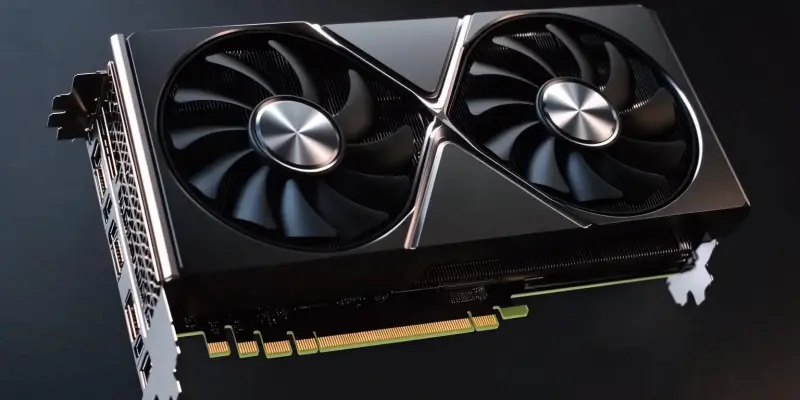
Numerous gamers and tech enthusiasts have continued facing a critical issue with Nvidia’s flagship GPU, the RTX 5090, where power cables and connectors tend to overheat and melt. The latest incident was highlighted by a user named Roachard on Reddit, who reported severe burn damage on his MSI RTX 5090 Gaming Trio OC. The damage was not limited to just the graphics card but extended to the power supply unit (PSU) as well, raising serious concerns about the safety and reliability of these high-end components.
The Extent of Power Cable Melting Incidents
Despite using a high-quality power supply unit like the Corsair SF1000L, which is 80 Plus Platinum certified and ATX 3.0-compliant, the issues persisted for Roachard. The user utilized the original 12VHPWR cable rated for 600W, ensuring no third-party interference could be blamed. Nevertheless, the melting issue occurred, bringing attention to potential design flaws in Nvidia’s latest series of GPUs. This incident forms part of a broader pattern, as numerous users have reported similar problems with the RTX 5090 and to some extent, even the RTX 5080. These reports echo previous issues that had plagued the RTX 4090 series, which had been attributed to the cables’ stiffness and improper insertion. Nvidia responded to initial complaints by transitioning to a new 12V-2×6 connector design, yet the problem of overheating and melting has not been entirely eradicated.
Analysis of Underlying Causes
Industry experts and enthusiasts have undertaken various experiments to pinpoint the causes of these woes. Overclocker Der8auer conducted a noteworthy test illustrating that even high-quality cables can suffer from uneven power distribution. His findings revealed that the connector on the PSU side could reach temperatures as high as 150°C, causing severe damage and potentially hazardous situations. He also identified that specific wires within the cable were subjected to higher currents than they were designed to handle, further exacerbating the heating issues. This indicates that the problem is not merely about the quality of the materials used but involves inherent design flaws in how power is managed and distributed through the connectors.
The consensus among experts is that these incidents, although not exceedingly frequent, underscore significant deficiencies in the design and compatibility of the new power connectors. There is a pressing need for enhanced quality control measures and perhaps a reevaluation of current design standards to guarantee the safety and reliability of these high-cost components. These ongoing issues signal that more rigorous testing and refinements are required to eliminate such hazards, ensuring that users’ investment in these premium products is protected from avoidable risks.
Implications and the Path Forward
Gamers and tech enthusiasts are facing a serious problem with Nvidia’s top-of-the-line GPU, the RTX 5090. Reports have been pouring in about the power cables and connectors overheating and melting, which poses a significant risk to users’ systems. The latest example of this came from a Reddit user named Roachard, who shared his experience with the community. He reported that his MSI RTX 5090 Gaming Trio OC suffered severe burn damage. Unfortunately, the problem didn’t stop with the graphics card—it also affected his power supply unit (PSU), highlighting substantial concerns regarding the safety and reliability of these premium components. Alongside these reports, there have been an increasing number of other users stepping forward to share similar experiences, putting more pressure on Nvidia to address the issue promptly. Meanwhile, some users are seeking advice on how to safeguard their expensive equipment, while others are calling for a recall or replacement program to ensure that their investments don’t literally go up in smoke.