

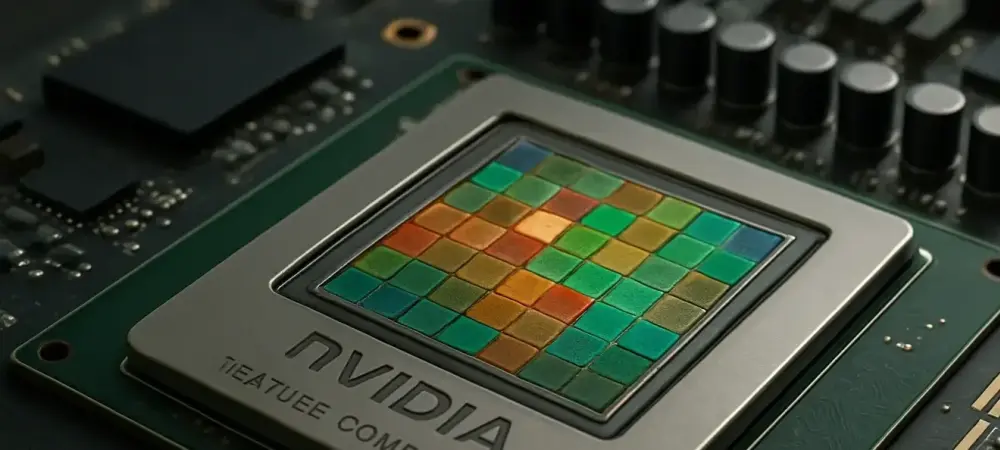
Imagine a world where high-end gaming is no longer tethered to the most expensive, cutting-edge hardware, where stunning visuals and seamless performance are within reach even for those with modest graphics cards. This vision is inching closer to reality with Nvidia’s groundbreaking neural texture compression technology, unveiled at CES earlier this year. As modern games demand ever-increasing amounts of video random access memory (VRAM), often pushing even premium cards to their limits, this innovation promises to address one of the most persistent bottlenecks in graphics hardware. This review dives deep into the capabilities, challenges, and transformative potential of this technology, particularly as it integrates with Nvidia’s RTX 50 series.
Key Features and Performance Metrics
Unprecedented VRAM Efficiency
One of the standout achievements of Nvidia’s neural texture compression is its ability to slash VRAM usage dramatically. When paired with Microsoft’s DirectX Ray Tracing 1.2 Cooperative Vector technology, early tests have shown reductions of up to 90% in memory consumption. Given that textures often account for 50-70% of VRAM demand in modern titles, this breakthrough could fundamentally alter how resources are allocated in gaming hardware.
This efficiency opens up new possibilities for gamers constrained by limited VRAM, such as those using cards with just 8GB of memory. By compressing textures without sacrificing detail, the technology tackles a critical pain point, potentially extending the lifespan of older hardware in an era of escalating game requirements.
Enhanced Frame Rates and Visual Fidelity
Beyond memory savings, the technology delivers a substantial boost to performance. Early custom benchmarks indicate frame rate improvements of nearly 80%, a leap that could redefine expectations for smooth gameplay. This increase suggests that even demanding titles could run fluidly on mid-tier systems, broadening accessibility.
Equally impressive is the improvement in texture image quality. Unlike traditional compression methods that often degrade visuals, Nvidia’s neural approach enhances detail while using fewer resources. For developers, this means the ability to craft richer, more immersive worlds without worrying about overwhelming hardware constraints.
Current Landscape and Industry Shifts
The technology is still in an experimental phase, with Nvidia rolling out preview drivers for limited testing. These early builds, while promising, are confined to a handful of demos, reflecting the nascent stage of implementation. However, the focus on VRAM efficiency signals a pivotal shift in graphics hardware priorities, as memory demands continue to outpace hardware advancements.
Competing players like AMD are also exploring similar compression solutions, hinting at an industry-wide pivot toward resource optimization. This convergence suggests that texture compression could soon become a standard feature, reshaping how graphics cards are designed and marketed across brands. The race to perfect this technology underscores its importance in addressing modern gaming challenges.
As testing progresses from this year into 2026, the industry watches closely. The push for efficiency aligns with broader trends of making high-end gaming more inclusive, potentially reducing the barrier to entry for players who cannot afford the latest hardware upgrades.
Practical Applications and Broader Implications
In practical terms, Nvidia’s innovation could lower the system requirements for graphically intensive games. Titles that once demanded 16GB or more of VRAM might run smoothly on cards with half that capacity, democratizing access to cutting-edge experiences. This could be a lifeline for users of budget or older systems, ensuring they are not left behind.
Beyond gaming, the technology holds promise for other fields like virtual reality and content creation, where high-resolution textures are equally critical. The ability to maintain visual quality with reduced memory needs could streamline workflows for developers and artists, enhancing productivity without necessitating costly hardware investments.
The ripple effects might also influence game design itself. Developers could experiment with higher-resolution assets and more complex environments, confident that compressed textures will mitigate performance hits. This freedom could usher in a new era of creativity in digital entertainment.
Hurdles and Limitations to Overcome
Despite its potential, the technology faces significant challenges. Currently, its application is restricted to controlled demos, with no commercial games supporting it yet. This limitation highlights the gap between experimental success and real-world integration, a hurdle that could take considerable time to clear.
Technical issues also loom large. Reports of driver instability, including hard resets and screen corruption during testing, point to the need for extensive refinement. Such glitches could erode confidence among early adopters if not addressed promptly, slowing the path to mainstream acceptance.
Developer adoption remains another obstacle. Integrating this technology into existing game engines and workflows requires time and resources, potentially delaying widespread use until at least 2026 or beyond. Until these adoption barriers are surmounted, the full impact of neural texture compression will remain theoretical for most users.
Outlook for the Future
Looking ahead, the trajectory of this technology appears promising if key issues are resolved. Broader developer support and improved driver stability could pave the way for integration into major titles within the next few years. Such advancements would solidify Nvidia’s position as a leader in graphics innovation.
The long-term implications extend to hardware design as well. With VRAM constraints alleviated, future graphics cards might prioritize other performance aspects, like processing power or energy efficiency. This shift could redefine consumer expectations, focusing less on raw memory specs and more on overall system balance.
Ultimately, the technology might transform how visual fidelity is achieved in gaming. By enabling stunning graphics without proportional hardware demands, it could inspire a wave of innovation in game design, pushing boundaries while maintaining accessibility for a diverse player base.
Final Thoughts and Next Steps
Reflecting on the journey so far, Nvidia’s neural texture compression emerges as a beacon of hope amid growing VRAM challenges, delivering remarkable reductions in memory usage and significant performance gains in initial tests. The enhancement of texture quality without resource bloat stands out as a testament to its ingenuity, even as early limitations temper enthusiasm.
Moving forward, the focus should center on stabilizing drivers and accelerating developer integration to bring this technology into mainstream gaming. Collaborative efforts between Nvidia and game studios could expedite this process, ensuring compatibility with upcoming titles. Additionally, expanding testing to diverse hardware setups would validate its effectiveness across the spectrum of user systems.
As the industry evolves, stakeholders should prioritize educational outreach to inform developers and gamers about the benefits and implementation of neural texture compression. By fostering an ecosystem ready to embrace this innovation, the groundwork is laid for a future where high-end gaming no longer demands top-tier hardware, opening doors to a more inclusive digital landscape.