

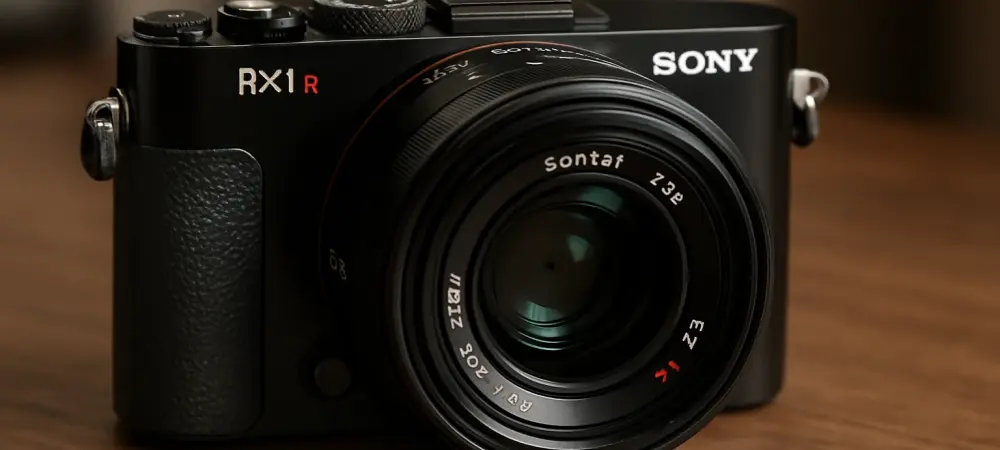
Imagine stepping onto a bustling city street, camera in hand, aiming to capture candid moments without drawing attention. For photographers, the quest for a compact yet powerful tool often leads to premium options like a certain full-frame camera renowned for its discreet design and high-end specs, but whispers in the photography community suggest this device might be as frustrating as it is impressive. This roundup gathers insights from multiple industry voices, reviews, and expert analyses to unpack whether this camera truly serves as the ultimate everyday carry or falls short of its ambitious promises. The purpose here is to provide a balanced perspective, comparing diverse opinions on its strengths, flaws, and overall value for photographers.
Cutting-Edge Technology in a Compact Shell: What Experts Admire
Industry feedback consistently praises the remarkable technology packed into this camera’s small frame. A standout feature, often highlighted by tech reviewers, is the 61MP full-frame sensor paired with a powerful Bionz XR processor. This combination delivers exceptional image quality, allowing for versatile digital crop modes that mimic various focal lengths without sacrificing detail. Another aspect earning acclaim is the advanced subject detection autofocus. Capable of identifying humans, animals, and vehicles with precision, this system has been lauded for its reliability in dynamic shooting scenarios. Many experts note that such capabilities, typically found in larger mirrorless bodies, make this camera a compelling choice for those needing high performance in a smaller package.
However, some voices in the community question whether this technological prowess comes at a cost. The debate centers on whether cramming such advanced specs into a compact body compromises other critical elements like usability and design balance. This tension between power and practicality remains a recurring theme in discussions.
Optical Performance: A Divisive Element Among Reviewers
Turning to the fixed 35mm f/2 lens, opinions among photography professionals reveal a sharp divide. Some appreciate the central sharpness and the classic focal length for street and everyday shooting, arguing it suits the camera’s intended purpose of unobtrusive photography.
On the other hand, a significant number of critiques point to glaring optical flaws that seem outdated for a device at this price point. Issues such as chromatic aberration, barrel distortion, and corner softness at wider apertures are frequently mentioned as drawbacks that hinder image quality. When compared to rival models with superior optics, many feel this component represents a missed opportunity for innovation.
The consensus leans toward disappointment, with several reviews suggesting that an updated lens design could have elevated the camera’s standing. This discrepancy between cutting-edge internals and underwhelming optics fuels much of the debate, leaving photographers to weigh whether the sensor’s capabilities can offset these shortcomings.
Handling and Design: Ergonomic Frustrations Surface
Ergonomics and design usability spark considerable discussion in expert circles. The compact form factor is often celebrated for its discretion, ideal for candid street photography where blending in is key. Yet, this advantage is quickly undercut by practical handling issues that many users find frustrating. Common complaints include the non-tilting rear display, which limits flexibility for shooting at unconventional angles, and an electronic viewfinder that feels outdated with its modest resolution. Additionally, the front-heavy balance due to the lens, cramped button layout, and absence of intuitive controls like a joystick for autofocus adjustment are cited as significant barriers to seamless operation.
These design oversights lead to a broader critique that compactness does not always translate to convenience. For a camera marketed as an everyday carry, such ergonomic missteps are seen as a critical flaw by many in the field, prompting questions about its suitability for fast-paced, on-the-go photography.
Price Point Controversy: Is the Cost Justified? The steep price tag of $5,100 draws intense scrutiny from industry analysts and enthusiasts alike. Some argue that the premium cost aligns with the advanced technology and full-frame capabilities offered, positioning the camera as a niche luxury for dedicated enthusiasts willing to invest in discreet, high-quality gear.
On the other hand, a larger chorus of voices challenges this value proposition, especially when more affordable or refined alternatives exist. Comparisons to other compact cameras or even full-frame mirrorless options at lower price points reveal a perceived gap in overall worth, with additional costs for accessories further souring opinions.
This divide highlights a market reality: while a segment of buyers may justify the expense for specific use cases, the broader photography community often finds the pricing difficult to reconcile with the camera’s limitations. The debate over cost versus performance remains unresolved, reflecting varied priorities among users.
Practical Advice and Use Cases from the Field
Synthesizing practical insights, many experts emphasize the camera’s strengths in specific scenarios despite its flaws. Its discreet design and quiet shutter are repeatedly noted as ideal for street photography, where capturing unguarded moments without intrusion is paramount. This makes it a favored tool for those prioritizing subtlety.
To mitigate some of the ergonomic and technical drawbacks, seasoned photographers suggest tailored approaches. Adjusting auto ISO settings to compensate for the lack of image stabilization is a commonly shared tip, helping to maintain image clarity in challenging conditions. Such workarounds are seen as essential for maximizing the camera’s potential.
Beyond tips, there’s agreement that potential buyers should align their expectations with niche applications. For general-purpose shooting or environments demanding rugged durability, other options might serve better. This targeted advice underscores the importance of matching gear to individual needs rather than expecting universal functionality.
Reflecting on a Camera of Contradictions
Looking back, the diverse opinions gathered paint a complex picture of a camera that both inspires and frustrates. The technological achievements, particularly in sensor and autofocus performance, stand out as groundbreaking for a compact device, earning admiration across the board. Yet, persistent issues with optics, handling, and pricing temper enthusiasm, revealing a product that doesn’t fully meet the high expectations set by its ambitious design. For photographers intrigued by this polarizing tool, the next steps involve deeper research into specific use cases where its strengths can shine. Exploring community forums and hands-on reviews offers valuable real-world perspectives to complement expert analyses. Additionally, keeping an eye on potential future iterations from the manufacturer hints at possibilities for refined designs that could address past shortcomings, providing hope for an even more compelling compact camera down the line.