

I’m thrilled to sit down with Dominic Jainy, an IT professional whose deep knowledge of cutting-edge technologies like artificial intelligence, machine learning, and blockchain often intersects with advancements in audio tech. Today, however, we’re diving into his insights on hi-fi equipment as we explore the newly launched Bronze Series 7G speaker range from a renowned audio brand. Dominic has a keen ear for sound innovation and a unique perspective on how technology enhances audio experiences. In our conversation, we’ll touch on the latest upgrades in speaker design, the impact of new materials and technologies on sound quality, and how these speakers cater to diverse listening needs, from home theater setups to everyday hi-fi enjoyment.
What excites you most about the Bronze Series 7G compared to earlier generations of this speaker line?
I’m really impressed with the comprehensive overhaul in the Bronze Series 7G. From what I’ve seen, every aspect—drivers, tweeters, crossovers, and even cabinet construction—has been refined. This isn’t just a minor tweak; it feels like a complete reimagining aimed at delivering a richer, more precise sound. The addition of a wall-mounted speaker to the lineup also caught my eye, as it shows a clear intent to broaden the appeal for different setups, whether it’s a compact apartment or a dedicated home theater.
Can you dive into the upgrades made to the drivers in this new series and what that means for listeners?
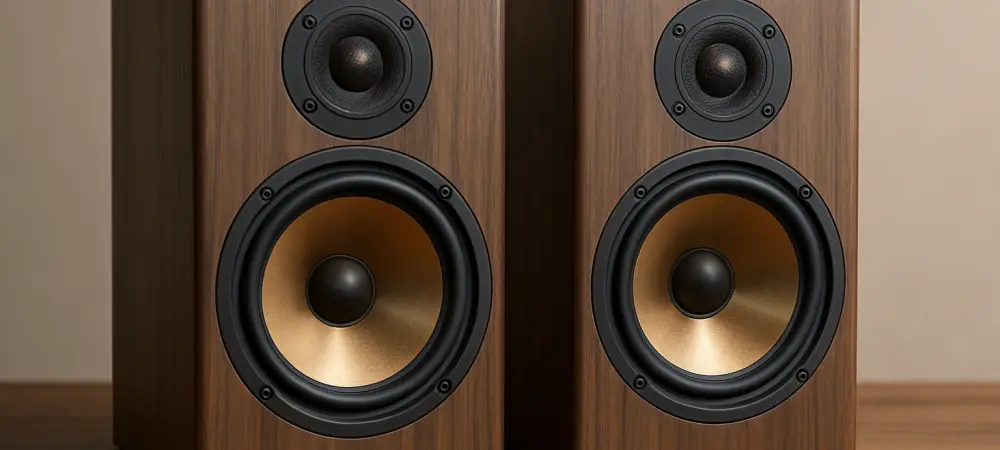
Absolutely. The new ceramic-coated aluminum magnesium, or C-CAM, bass and mid drivers are a big step forward. These materials are incredibly lightweight yet rigid, which helps reduce distortion and allows for faster, more accurate sound reproduction. For listeners, this translates to tighter bass and clearer midrange, so whether you’re listening to a punchy rock track or a delicate acoustic piece, you’ll notice the details pop more than ever.
How does the new C-CAM gold dome tweeter contribute to the overall audio experience?
The C-CAM gold dome tweeter is all about finesse in the high frequencies. It’s designed to handle those upper ranges with exceptional clarity and smoothness, avoiding the harshness you sometimes get with lesser tweeters. This means the highs in vocals or instruments like cymbals sound natural and airy, creating a more immersive soundstage. It’s a subtle but crucial upgrade for anyone who values precision in their audio.
What’s the significance of the redesigned crossover in these speakers, and how does it shape the sound?
The crossover design is like the brain of a speaker, directing frequencies to the right drivers. In the Bronze Series 7G, the updated crossover ensures a seamless blend between the bass, midrange, and treble. This results in a more cohesive sound where no single frequency overpowers the others. For the listener, it means music feels more balanced, and you’re less likely to notice any awkward transitions between different parts of the audio spectrum.
I’m curious about the use of real wood and plywood in the front baffles. What’s the reasoning behind this choice?
Using a mix of real wood and plywood for the front baffles is a smart move for both aesthetics and performance. The combination adds strength and rigidity to the cabinet, which minimizes vibrations that can muddy the sound. It also gives the speakers a premium, natural look that’s appealing in any living space. From a durability standpoint, this build should hold up well over time, resisting warping or wear, which is a bonus for long-term use.
Tell me about the new wall-mounted speaker in this series. What inspired its inclusion, and who is it designed for?
The Bronze On-Wall 7G is a fantastic addition, and I think it reflects a growing demand for versatile, space-saving audio solutions. It’s likely inspired by the trend of smaller living spaces and the rise of home theater setups where floor space is at a premium. This speaker seems tailored for folks who want high-quality sound without sacrificing room—perfect for apartment dwellers or anyone building a surround sound system where wall placement makes more sense than traditional stands.
How do the various models in this range cater to different room sizes or listening preferences?
The Bronze Series 7G offers a nice variety to suit different needs. The Bronze 300 7G floorstanders, for instance, are ideal for larger rooms where you want powerful, full-range sound. On the other hand, the Bronze 50 7G bookshelf speakers are great for smaller spaces or as part of a desktop setup. Then you’ve got specialized options like the Bronze Center 7G for dialogue clarity in home theater systems and the AMS 7G for Dolby Atmos height effects. It’s a thoughtful lineup that ensures there’s something for everyone, no matter the space or purpose.
Since this range doesn’t include a subwoofer, how do these speakers integrate with existing subwoofer models for a complete audio setup?
That’s a great point. While there’s no dedicated subwoofer in the Bronze Series 7G, the speakers have been tuned to work seamlessly with the brand’s existing 10, 12, and 15-inch subwoofers. This means the bass response from the speakers complements the deeper lows from the subs, creating a balanced, full-bodied sound. For home theater enthusiasts or bass lovers, pairing these speakers with a subwoofer will fill in those ultra-low frequencies for a truly cinematic experience.
What kind of impact do the Bronze AMS 7G speakers have on a Dolby Atmos home theater setup?
The Bronze AMS 7G speakers are specifically designed for Dolby Atmos, which is all about creating a three-dimensional sound environment. These speakers handle the height channels, bouncing sound off the ceiling to simulate effects like rain falling or helicopters flying overhead. For a home theater setup, they add a layer of realism that makes movies and games feel incredibly immersive. It’s a game-changer for anyone looking to elevate their surround sound experience.
Looking at the finishes—satin black, white, and walnut—what influenced these color choices, and how do they fit into modern home aesthetics?
The finishes are clearly chosen with versatility in mind. Satin black and white are timeless and blend effortlessly into most modern or minimalist home decors. Walnut, with its warm, natural tone, appeals to those who prefer a more classic or organic look. These options ensure the speakers aren’t just functional but also a stylish part of the room. I think they strike a good balance between understated elegance and visual appeal, fitting into a wide range of interior design trends.
Can you share your thoughts on the pricing of the Bronze Series 7G and why you believe it offers good value?
The pricing for the Bronze Series 7G feels very competitive for what you’re getting. With starting points like $700 for a pair of bookshelf speakers and up to $1,400 for the floorstanders, it’s positioned in a sweet spot for both entry-level audiophiles and more seasoned enthusiasts. Considering the upgrades in driver technology, build quality, and the addition of specialized models like the wall-mounted option, I think the value is evident. You’re getting near-premium performance without the premium price tag, which is a win in my book.
What’s your forecast for the future of hi-fi speaker technology, especially in affordable ranges like this one?
I’m optimistic about where hi-fi speaker tech is headed, especially in accessible price ranges. I foresee even more integration of smart features, like built-in voice assistants or wireless streaming, becoming standard even in budget-friendly lines. Additionally, advancements in materials science will likely continue to drive down costs while improving sound quality—think lighter, stronger driver materials or eco-friendly cabinet designs. We might also see more modular systems where you can easily upgrade components over time. For ranges like the Bronze Series, the focus will likely remain on balancing high performance with affordability, making great audio accessible to more people.