

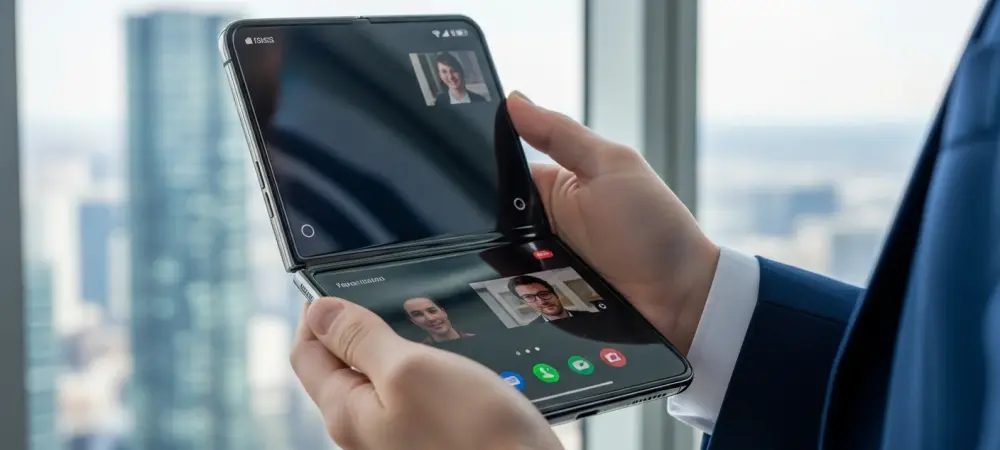
The transition from a pocketable nostalgic accessory to a full-scale digital canvas represents a bold pivot in Motorola’s engineering philosophy. The Razr Fold serves as the brand’s definitive entrance into the book-style foldable arena, moving beyond the compact clamshell origins that defined its previous identity. This strategic evolution aims to capture the premium productivity market, positioning the device as a direct alternative to the established Samsung Galaxy Z Fold series and the Vivo X Fold 5.
The Evolution of Motorola’s Foldable Strategy
The shift toward a large-format foldable indicates a broader ambition to dominate the high-end smartphone landscape in regions like India. By transitioning to a book-style design, the brand prioritizes a screen-first experience that targets professionals and power users who require more than a standard smartphone display.
This move is not merely a change in size but a statement on the maturity of the brand’s technology. It signals a move away from lifestyle fashion toward a high-performance productivity tool that competes with the most advanced flagship devices currently available in the global market.
High-Performance Hardware and Display Engineering
Next-Generation Processing and Power Management
The integration of the Snapdragon 8 Gen 5 chipset ensures that the device maintains peak performance during heavy multitasking. This processing power is supported by a substantial 6,000 mAh battery, which is designed to provide the endurance necessary for a dual-screen configuration.
Charging capabilities are equally impressive, featuring 80W wired and 50W wireless options. This combination effectively eliminates the power anxiety often associated with large-screen foldables, allowing users to return to full capacity within a remarkably short window during a busy workday.
Advanced LTPO P-OLED Display Technology
The internal 8.1-inch main display utilizes LTPO P-OLED technology to deliver a 165 Hz refresh rate, ensuring fluid motion for both work and entertainment. Complementing this is a 6.6-inch cover screen that offers full smartphone functionality without the need to unfold the device for every notification.
Color accuracy is a primary focus, with Pantone-validated screens providing a visual experience that meets the demands of creative professionals. This precision ensures that the device serves as a reliable tool for photo editing and media consumption, where color fidelity is paramount.
Professional-Grade Triple 50 MP Camera Suite
The camera system features a triple 50 MP array, including periscope telephoto and ultrawide lenses to cover all photographic scenarios. This versatile setup provides the optical reach and wide-angle perspective required for high-quality content creation, moving foldables into the realm of professional photography.
Moreover, high-resolution selfie cameras are present on both the cover and main screens. This ensures that video conferencing and self-captured content maintain a consistent level of clarity, regardless of whether the device is open or closed, which is a critical feature for the modern mobile professional.
Innovations in Software Longevity and Aesthetics
Motorola has introduced a landmark software policy, offering seven years of OS updates and security patches. This commitment, extending support until 2033, addresses the sustainability concerns that often plague expensive hardware by ensuring the device remains secure and functional for a decade.
The launch on Android 16 provides a cutting-edge software foundation that is optimized for the foldable form factor. Furthermore, limited editions like the FIFA World Cup model demonstrate how the brand uses cultural partnerships to drive consumer interest and diversify its aesthetic appeal in a crowded market.
Real-World Applications in Productivity and Media
The massive internal screen transforms the device into a mobile workstation, allowing for side-by-side app usage and seamless content creation. Professionals can manage complex spreadsheets or edit video timelines with a level of precision that traditional slabs cannot replicate.
Media consumption and gaming also benefit from the expansive real estate, offering an immersive experience that rivals small tablets. This versatility makes the device a single-solution tool for both intensive work sessions and high-end entertainment, catering to a user base that demands total flexibility.
Addressing Technical and Market Challenges
Engineering a hinge that maintains its integrity over a seven-year lifespan remains a significant technical hurdle. Motorola must ensure that the internal display remains crease-resistant and durable through thousands of cycles while managing the thermal output of the high-performance chipset in a slim chassis. The premium price point of $1,565 also poses a challenge for widespread adoption. While the hardware justifies the cost, the brand must convince a broader audience that the long-term software support and high-end specs offer a better value proposition than cheaper, traditional flagship models.
Future Outlook for the Razr Fold Ecosystem
The commitment to long-term updates sets a new benchmark for the industry, potentially forcing competitors to follow suit. This shift toward longevity could change how consumers view the lifecycle of foldable technology, turning these devices into long-term investments rather than temporary gadgets.
Future developments will likely focus on deeper AI integration and the use of even more resilient materials. As the ecosystem matures, the Razr Fold is poised to lead a trend where the hardware becomes a seamless extension of the user’s digital life, supported by a decade of innovation.
Final Assessment of Motorola’s Flagship Venture
Motorola successfully bridged the gap between innovative design and practical utility. By prioritizing battery life and software longevity, the company provided a compelling reason for users to switch from traditional smartphones to the foldable format. The device offered a cohesive package that balanced high-end photography with a desktop-class display.
The entry into the book-style market challenged the status quo and proved that the brand could execute complex engineering at a flagship level. Ultimately, the Razr Fold changed the conversation regarding the value and durability of modern foldable technology.