

The sudden silence in a crowded press room often follows a reveal that fundamentally shifts how professionals view the equipment tucked inside their pockets. The release of the Sony Xperia 1 VIII on May 13, 2026, marks a pivotal moment where mobile devices no longer just mimic but actively compete with professional mirrorless systems. While industry rivals often rely on heavy-handed artificial sharpening and aggressive saturation, this flagship emphasizes raw optical performance. It forces a necessary debate regarding whether a handheld device can finally claim the mantle of a legitimate professional tool.
Transitioning from a secondary backup to a primary creative instrument requires a level of trust that few manufacturers have earned. By prioritizing optical integrity, the device caters to those who view photography as a craft rather than a social media task. This approach ensures that images maintain a natural texture that is often lost in the digital “beautification” processes common in the current market.
The Evolution of Sony’s Niche Strategy in a Saturated Flagship Market
In a landscape defined by iterative updates, Sony has refined its position as the primary choice for users who demand granular control over every technical parameter. This latest model bridges the historical gap between the Alpha camera ecosystem and mobile hardware more effectively than any previous iteration. It represents a calculated departure from mass-market trends, focusing instead on specialized utility toward the high-end consumer.
This strategy targets a specific demographic that values the tactile and technical nuances of high-end equipment. By ignoring the race for the most simplified “point-and-shoot” experience, the brand has solidified a loyal following among visual artists. This alignment with the professional community suggests a long-term commitment to high-performance hardware over fleeting aesthetic fads.
Unpacking the Hardware: Triple 48MP Sensors and the Gemstone-Inspired ORE Design
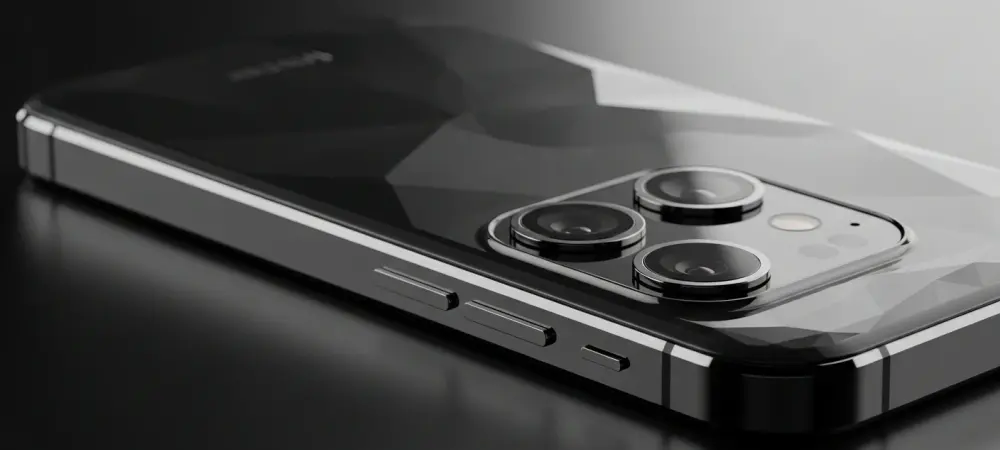
The technical core of the system consists of three distinct 48MP sensors positioned at 16mm, 24mm, and 70mm focal lengths to ensure consistent resolution throughout the zoom range. Most impressive is the 1/1.56-inch telephoto sensor, which represents a massive fourfold increase in size compared to the previous generation. This substantial sensor allows for a degree of light intake and shallow depth of field previously thought impossible in a slim form factor.
Beyond the internal optics, the physical chassis introduces the “ORE” design language, featuring textures derived from raw gemstones to improve grip and aesthetic appeal. This rugged yet refined exterior houses the powerful Snapdragon 8 Elite Gen 5 processor, providing the computational headroom needed for intensive tasks. With storage options reaching 1TB, the device functions as a high-capacity portable archive for high-resolution files.
Computational Excellence: Xperia Intelligence and Walkman-Derived Audio Fidelity
To complement its physical components, the device utilizes Xperia Intelligence, a sophisticated AI assistant that serves as a digital focus puller for videographers. This system provides real-time environment-based suggestions for bokeh and lens optimization without overriding the user’s creative intent. By maintaining a balance between automation and manual control, it empowers creators rather than replacing their judgment. The commitment to professional standards extends to the audio department, where the inclusion of a 3.5mm headphone jack remains a significant differentiator. Integrated Walkman-derived tuning ensures that the device provides high-fidelity sound reproduction for both monitoring and consumption. When combined with RAW multi-frame processing across the entire camera array, the result is a holistic studio capable of producing gallery-quality results.
A Strategic Framework for Early Adopters and Professional Buyers
Investing in such high-end technology required a clear understanding of the price structure, which started at €1,499 for the 256GB base model and climbed to €1,999 for the 1TB edition. Early purchasers who acted during the pre-order phase secured the WH-1000XM6 headphones, which significantly improved the overall value proposition of the package. This incentive helped mitigate the initial financial barrier for professionals looking to upgrade their mobile workflow. Users who integrated the device into their daily routines benefited from the 5,000mAh battery, which provided enough efficiency for a full two-day usage cycle. The 120Hz OLED display offered the color accuracy needed for on-the-spot editing, ensuring that the transition from a traditional rig to a mobile-first setup was seamless. Ultimately, the adoption of this hardware suggested a future where the distinction between a dedicated camera and a flagship phone continued to blur.