

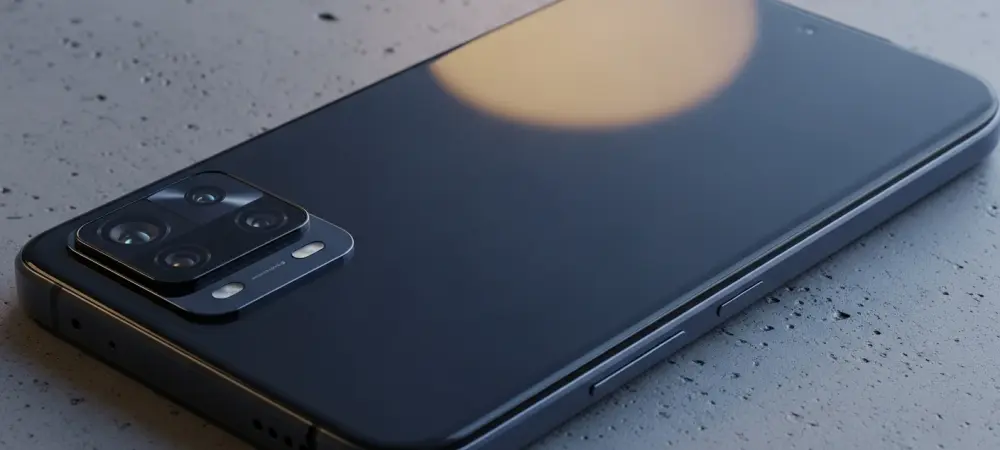
For many modern smartphone users, the persistent anxiety of a dwindling battery percentage has become an inescapable part of daily life, often dictating where they sit in cafes or how they plan their commutes. While the industry previously prioritized shaving millimeters off device thickness, a drastic pivot toward extreme endurance suggested that consumers valued reliability over a slim profile. The arrival of this latest series signaled a major turning point, offering a glimpse into a reality where the charger became a secondary accessory rather than a constant companion.
This hardware shift highlighted a growing divide between fashion-focused flagships and utility-driven powerhouses. As mobile software became more demanding, the traditional 5,000mAh ceiling began to feel like a relic of a less connected time. By shattering this barrier, the manufacturers essentially dared the rest of the market to stop prioritizing aesthetics at the expense of a phone that actually stayed powered on when its owner needed it most.
Challenging the Limits of How Long a Smartphone Can Last
Could a smartphone actually survive an entire weekend of heavy use without ever touching a power outlet? While most flagship devices currently struggle to crawl past the 24-hour mark under stress, the Redmi Note 17 series arrived with a 9,000mAh battery that effectively doubled the capacity of the industry standard. This release marked a provocative departure from the trend of thinner frames, focusing instead on the raw utility of staying powered on in an increasingly mobile world where connectivity was non-negotiable.
This shift in engineering philosophy suggested that the “thinness race” had finally hit a ceiling. By embracing a slightly larger physical footprint, Xiaomi managed to cram in a power cell that redefined expectations for the mid-range market. The device did not just aim for better performance; it aimed to eliminate the psychological burden of constant battery management, turning the smartphone into a truly independent tool for the modern digital nomad.
The Evolution of Mid-Range Priorities in a Content-Driven Era
For years, the smartphone market remained obsessed with incremental camera improvements, often at the expense of practical longevity and everyday durability. However, a growing segment of users—ranging from outdoor professionals to long-haul travelers—signaled a shift in demand toward devices that prioritized screen real estate and endurance over professional-grade photography. The Redmi Note 17 series addressed this real-world concern by repositioning the mid-range phone as a high-endurance tool for media consumption and reliable communication rather than a dedicated pocket camera.
As streaming services and remote work became the primary drivers of mobile usage, the necessity for a professional-grade camera began to wane for the average consumer. Most people required a screen that stayed bright for hours of video playback and a battery that did not quit during a long shift. By focusing on these core utilities, the manufacturers tapped into a massive market of pragmatists who sought a device that worked as hard as they did, regardless of the environmental conditions.
Inside the Powerhouse: Breaking Down the 9,000mAh Battery and Mega-Displays
The hardware specifications of this series represented a bold experiment in “super-sized” engineering that challenged the status quo of mobile design. The standard Note 17 led with a massive 7-inch 120Hz OLED display, while the Pro variant utilized a technically superior 6.83-inch 1.5K panel with a peak brightness of 3,500 nits. To fuel these large screens, Xiaomi integrated an 8,000mAh battery in the base model and a cutting-edge 9,000mAh Silicon-Carbon battery in the Pro, providing unprecedented energy density.
Beyond just raw capacity, these devices functioned as portable power banks, offering 22.5W reverse charging to support other gadgets on the go. This feature transformed the phone from a standalone unit into a central hub for a user’s entire mobile ecosystem. Whether charging a pair of wireless earbuds or giving a quick boost to a friend’s dying phone, the Note 17 series leveraged its massive reserves to provide a level of versatility that smaller devices simply could not match.
Balancing Performance and Portability: Insights into Technical Longevity
Technical durability was baked into the design, with the Pro model achieving an IP68/IP69K rating, meaning it could withstand high-pressure water jets and total submersion. To ensure these massive batteries remained viable over time, the manufacturer rated the cells for 1,600 charge cycles, significantly extending the typical lifespan of the hardware. This focus on longevity suggested a move away from the “planned obsolescence” model that had plagued the industry for the previous decade.
While the use of mid-range Snapdragon 4 and 6 series processors seemed modest to spec-hunters, these chips were intentionally chosen for their power efficiency. These processors ensured that the massive battery capacity was not wasted on high-heat performance spikes that provided little real-world benefit to the average user. Instead, the focus remained on consistent, cool operation that preserved the integrity of the internal components while delivering a smooth experience for daily tasks and social media browsing.
Identifying the Ideal Use Cases for Xiaomi’s New Endurance Giant
Determining if this device fit a specific lifestyle required a look at daily habits and hardware requirements. This series was specifically engineered for users who spent long hours away from power outlets or those who used their phones as primary media players. If someone was a mobile photographer, the basic 50MP sensor and 1080p video limitations likely became a dealbreaker. However, for those who valued a device that could withstand a 3-meter drop and provide multi-day battery life on a single charge, the Redmi Note 17 series offered a practical framework that favored utility over aesthetics.
Future developments in solid-state batteries or even more efficient chipsets suggested that this was only the beginning of an era where charging became a weekly rather than daily ritual. Manufacturers moved toward creating tools that empowered users to remain disconnected from the grid for longer periods, ultimately changing the way people interacted with their environment. The focus shifted from what a phone could do in a single burst to how long it could sustain its utility without intervention. This evolution paved the way for a more resilient generation of mobile technology that prioritized the user’s freedom of movement over the proximity of a wall outlet.