

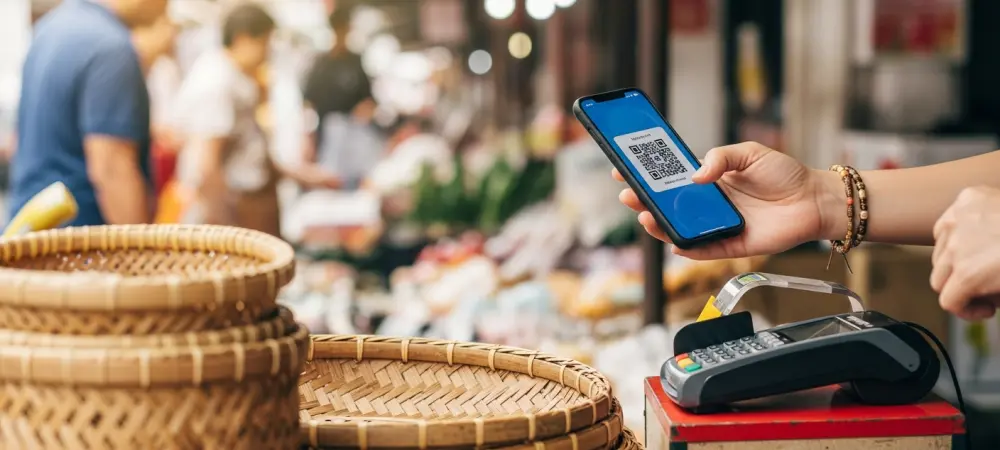
The recent announcement that Wise has integrated with PayNet signifies a transformative shift in the Malaysian financial landscape by granting a non-bank fintech direct access to the national payment infrastructure. This strategic move enables the company to provide DuitNow QR and DuitNow Transfer services natively within its platform, effectively bridging the gap between international currency management and local payment utility. By eliminating the necessity for traditional intermediary banks, the partnership streamlines the entire transaction process for millions of users who previously relied on slower, more expensive cross-border channels. This integration positions Malaysia as a critical hub in the global push for real-time payments, allowing both residents and foreign visitors to experience a level of financial fluidity that was once reserved for domestic bank account holders. Such a development highlights the growing trend of national regulators opening doors to innovative players to foster competition and improve consumer outcomes. Through this collaboration, the standard for digital wallets has been significantly elevated, ensuring that speed and transparency are no longer luxuries but fundamental features of the modern monetary experience.
Strategic Advantages: Redefining Direct Network Connectivity
By joining PayNet, Wise has placed Malaysia into an exclusive group of only nine global markets where the platform enjoys direct access to a national payment system rather than relying on secondary banking partnerships. This transition away from the legacy banking model allows the company to bypass the delays and extra fees typically associated with middleman banks, which often obscure the true cost of moving money across borders. Consequently, the organization can now maintain its high standard of performance, with over three-quarters of its global transfers being completed in less than twenty seconds. For Malaysian users, this means transaction reliability is no longer tied to the operating hours or processing speeds of third-party domestic institutions that traditionally acted as bottlenecks. This level of autonomy is a rarity for international fintech firms, marking a significant milestone in the effort to democratize high-speed financial services for a broader demographic of users.
The operational efficiency gained through this direct connection translates into tangible benefits for both retail consumers and corporate clients who require immediate liquidity. Unlike traditional methods that require multiple hops through various correspondent banks, the new system ensures that funds move from sender to recipient with minimal interference. This structural improvement is particularly vital in a market like Malaysia, where the digital economy is expanding at a rapid pace and businesses demand instantaneous settlement to maintain their competitive edge. Furthermore, the removal of intermediaries reduces the points of failure within a transaction, significantly decreasing the likelihood of stuck payments or manual reconciliations. As Wise continues to integrate with more local systems worldwide, the precedent set in Malaysia provides a blueprint for how fintechs can operate as peers to traditional banks. This evolution ensures that the cost savings achieved through technological innovation are passed directly to the end-user, fostering a more equitable financial ecosystem for all participants.
Consumer Empowerment: Seamless QR and Proxy Payments
The introduction of DuitNow QR within the app provides a significant boost for retail convenience across Malaysia, allowing local users to manage international currencies and everyday domestic spending through a single interface. While locals benefit from the consolidated view of their finances, international tourists gain a much-needed payment tool that was previously difficult to access without a Malaysian bank account. Historically, many travelers struggled to use local e-wallets that required a domestic phone number or specific residency documentation, forcing them to rely on physical cash or expensive credit cards. With this update, visitors can simply scan a merchant QR code and pay using their multi-currency balance, avoiding the high costs of currency exchange and foreign transaction fees at small vendors. This seamless integration not only supports the local tourism industry but also encourages the adoption of cashless technologies among a more diverse group of international spenders. Beyond retail spending, the platform simplified domestic transfers by utilizing proxies like mobile numbers, which eliminated the need for cumbersome bank details and reduced manual entry errors. To further enhance safety, a real-time verification layer was implemented to display the recipient’s name before any funds were committed, effectively mitigating fraud risks. The successful integration of these services demonstrated that direct infrastructure access was a viable path for international fintechs seeking to provide deeper value in local markets. Regulatory bodies and industry leaders observed these results and prioritized the modernization of legacy protocols to support similar API-driven collaborations. Financial institutions that embraced these changes secured a competitive advantage by offering transparent, near-instant settlement options for global clients. This transition encouraged businesses to reconsider their cross-border strategies, moving toward decentralized, real-time liquidity management to optimize their regional operations.