

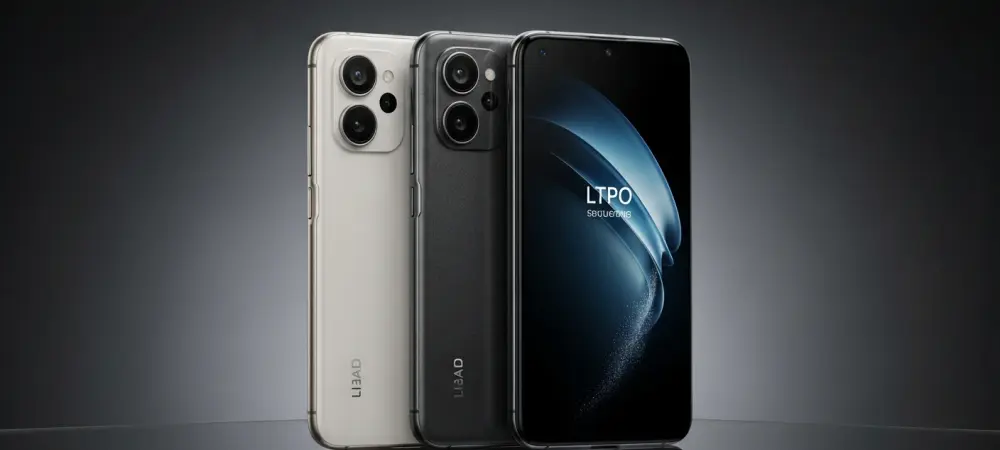
The re-emergence of high-performance silicon within a landscape previously dominated by restrictive trade limitations signals a transformative era for mobile telecommunications. The Huawei Pura 90s Series is not just a routine hardware update but a strategic maneuver to bridge the gap between proprietary innovation and the demands of the international market. By reintroducing 5G connectivity and eSIM support, the series addresses the primary criticisms that hindered its predecessors outside of mainland China. This review analyzes whether these advancements are sufficient to challenge the established duopoly in the premium smartphone segment.
Introduction to the Pura 90s Global Evolution
The evolution of the Pura 90s series marks a pivotal moment where independent hardware development meets global standard compatibility. At its core, the technology relies on a localized semiconductor supply chain that has finally achieved the efficiency required for 5G modems suitable for international roaming. This shift is crucial because it removes the connectivity hurdles international buyers previously faced when choosing hardware that lacked the latest network speeds. Moreover, the inclusion of eSIM technology facilitates a more seamless experience for frequent travelers, aligning the brand with modern digital-first telecommunications. This move suggests a maturation of the manufacturer’s strategy, moving away from surviving on brand loyalty alone toward offering a competitive feature set that rivals the convenience of mainstream competitors.
Core Technological Features and Performance
Revolutionary Camera Hardware and RYYB Sensor Integration
The centerpiece of the Pura 90s Pro Max is the integration of an industry-first 200MP RYYB telephoto sensor. Traditional sensors use a green sub-pixel that filters out significant light; by replacing it with yellow, the RYYB matrix captures up to 40% more photons. This allows the 20x hybrid zoom to maintain clarity and color accuracy even in challenging lighting, a feat that traditional telephoto lenses often struggle with due to their smaller apertures. Complementing this is the 50MP LOFIC primary sensor. LOFIC technology handles extreme brightness by preventing pixel saturation, effectively widening the dynamic range to a level previously reserved for professional cinema cameras. This ensures that high-contrast scenes retain detail in both the brightest highlights and the deepest shadows without the artificial look often associated with aggressive digital processing.
Advanced Chassis Durability and High-Performance Displays
Durability has moved from a secondary feature to a primary selling point with the second-generation Kunlun Glass and silicon nitride ceramic coatings. This composite approach provides a multi-layered defense against catastrophic drops and fine-particle scratches. The engineering focus here is on structural integrity, ensuring that the 6.9-inch LTPO display remains functional in demanding environments. The display technology itself incorporates a new optical layer that reduces ambient reflections by 70%. This is not just a visibility improvement; it allows the screen to maintain perceived contrast at lower brightness levels, which indirectly benefits battery longevity. The system provides fluid motion during high-intensity tasks while maintaining efficiency during static use.
Processing Power and Proprietary Connectivity Solutions
Under the hood, the Kirin 9030S chipset represents the latest iteration of in-house processing power, optimized for the EMUI 16 environment. While it may not win every benchmark battle against specialized gaming chips, its integration with the AOSP 16 framework ensures a level of software-hardware synergy that reduces latency. The transition to EMUI 16 also signifies a shift toward a more modular operating system that can better adapt to different regional app ecosystems. Connectivity is further bolstered by NearLink E2.0, a proprietary alternative to Bluetooth that offers significantly higher data throughput and lower power consumption. In an ecosystem of wearable and audio devices, NearLink provides a tangible advantage in audio fidelity and synchronization. When combined with Wi-Fi 7 capabilities, the Pura 90s series positions itself as a powerhouse for data-heavy applications.
Emerging Trends in Mobile Software and Regional Adaptation
A notable trend in the 2026 mobile landscape is the increasing fragmentation of hardware due to regional legislation. The Pura 90s series reflects this through its battery configurations, where European models carry a 5,500mAh cell compared to the 6,000mAh found elsewhere. This adaptation is a direct response to EU sustainability and safety regulations, demonstrating how global manufacturers must now design regional variants that go beyond simple software differences.
Practical Applications in Professional Photography and Communication
For professional content creators, the variable aperture system (f/1.4 to f/4.0) offers creative control usually found only on dedicated mirrorless cameras. By physically adjusting the iris, users can manipulate depth of field and light intake natively, avoiding the edge-detection artifacts typical of software-based portrait modes. The macro telephoto capability also opens new avenues for product photography and nature cinematography on the go.
Beyond aesthetics, the series’ dual IP68 and IP69 ratings provide specialized utility for professionals working in extreme conditions. The IP69 rating specifically protects against high-pressure, high-temperature water jets, making these devices suitable for industrial environments or extreme outdoor sports where standard flagship phones might fail.
Addressing Technical Barriers and Market Limitations
Despite the hardware triumphs, the Pura 90s series still faces the significant hurdle of high-end pricing in a saturated market. At EUR 1,300 for the Max model, it competes directly with established brands that have deeper service ecosystems in the West. Furthermore, the reliance on an AOSP-based ecosystem requires users to adapt to alternative app repositories, which remains a friction point for those deeply embedded in specific software ecosystems.
Future Trajectory of the Pura Flagship Line
The trajectory of the Pura line points toward a future where LOFIC sensors and high-resolution telephoto optics become the standard for the industry. As the NearLink ecosystem grows, a broader range of third-party peripherals could adopt the standard, potentially challenging the long-standing dominance of Bluetooth. The focus will likely shift toward further miniaturizing these complex optical systems while maintaining the durability standards set by Kunlun Glass.
Final Assessment of Huawei’s Global Strategy
The Pura 90s series effectively demonstrated a renewed capacity for international competition. By prioritizing a 90s variant that specifically addressed connectivity and durability gaps, the strategy targeted the most critical pain points of global consumers. The successful integration of the RYYB 200MP sensor established a new benchmark for mobile telephoto performance that necessitated a response from the entire industry. Ultimately, the series solidified the brand’s position as a technical innovator that could thrive despite external market pressures. This shift proved that hardware excellence, when paired with strategic regional adaptations, remained a viable path for reclaiming lost market prestige and influence.